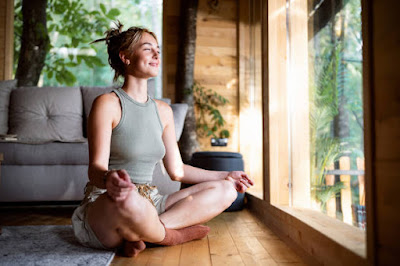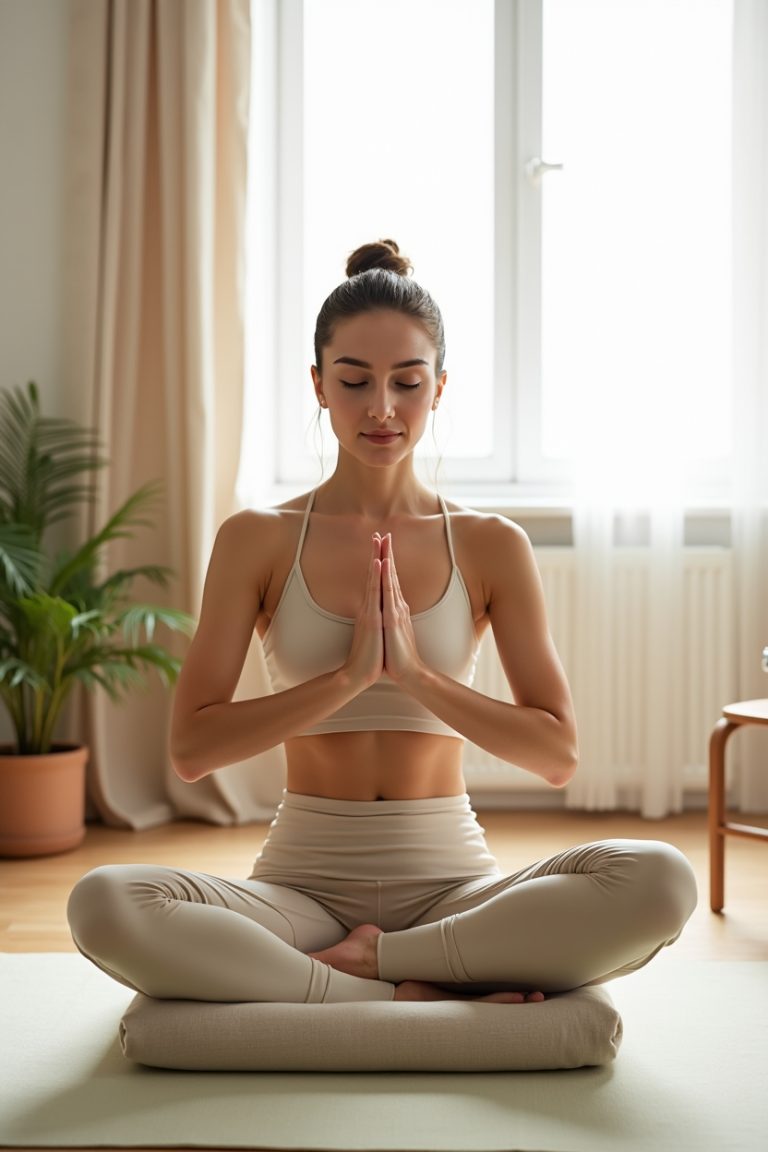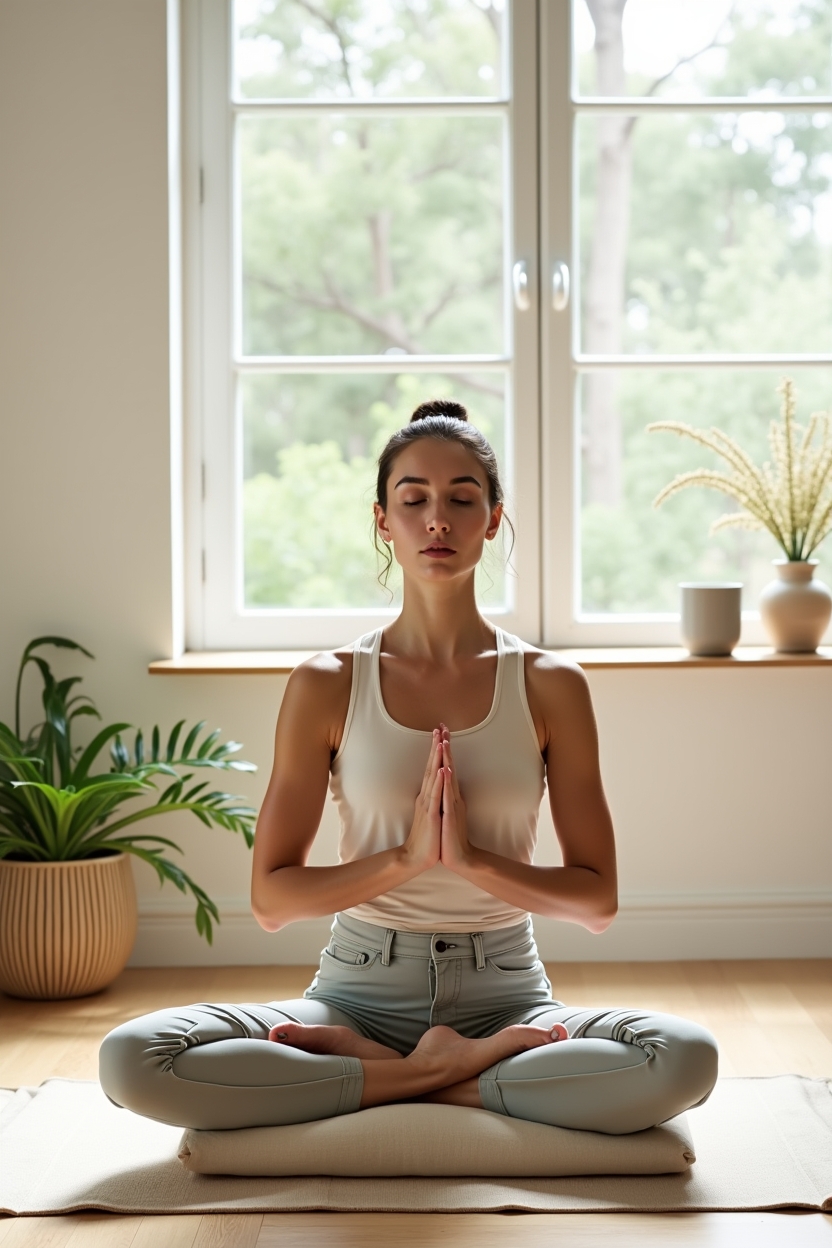
Hatha Yoga for Grounding for Beginners: A Gentle, Practical Guide
Struggling with scattered energy, restless nights, or a mind that won’t settle can be quietly exhausting. Hatha yoga for grounding for beginners offers a calm, body-centered pathway back to steadiness — not by pushing you harder, but by helping you feel held in your own body.
This guide is for newer students seeking stability, people who feel anxious or distracted, and anyone who wants short, repeatable practices to restore balance. You’ll gain clear principles, simple breathwork, approachable poses and a short sequence you can use daily to feel more steady and present.
What ‘grounding’ means in hatha yoga
Grounding in hatha yoga is both practical and subtle — it’s about how your body contacts the earth, how your breath anchors your nervous system, and how attention rests in the present moment. We’ll look at somatic, energetic (root chakra) and nervous-system perspectives so you can choose practices that feel safe and effective.
The concept of grounding: body, breath and attention
Grounding begins with the body — noticing how your weight distributes through your feet, sit bones, or palms. When you shift into weight awareness you shift out of constant mental roaming and back into sensory experience, which is calming for the nervous system.
Breath is the bridge. A steady, even breath signals safety to your autonomic nervous system. Simple diaphragmatic breathing slows the heart rate and encourages a feeling of containment — like returning to a home base inside your body.
Attention completes the triangle. Directing your attention to sensations (the feeling of feet on floor, the sound of inhale and exhale, the soft contact of clothing) trains the mind to rest in the present. That steadiness — body, breath, attention — is what we mean by grounding.
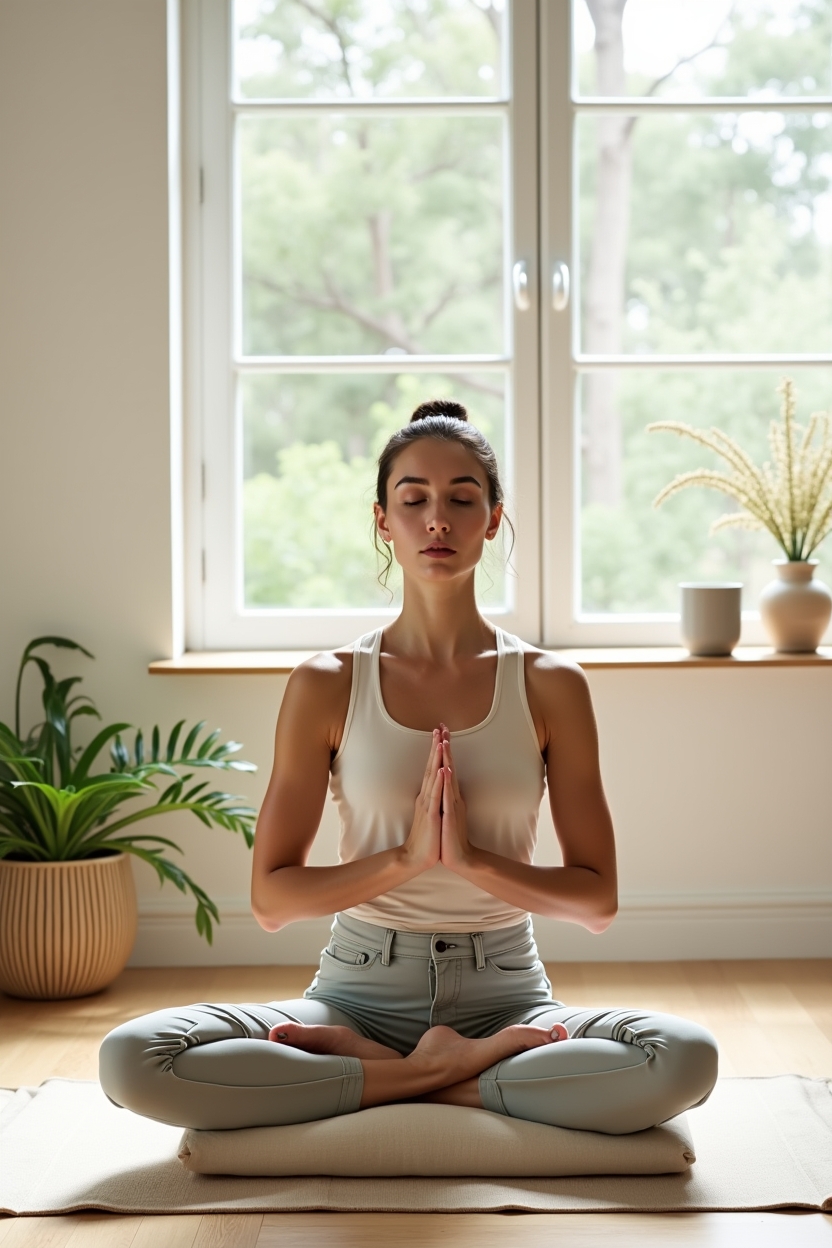
How grounding shows up in a hatha yoga for grounding for beginners practice
In a beginner’s hatha practice, grounding shows up as slow, intentional poses held with attention to contact and breath. You won’t rush from one shape to the next — instead you arrive in each posture and feel how your weight lands.
Expect shorter holds, smaller ranges of motion, and cues that bring awareness to the feet, hips and pelvic floor rather than dramatic extension. Grounding also favors breath-first sequencing: breath anchors between movements, gentle breathing rhythms that calm rather than excite.
Energetically, the practice supports a sense of lower-body presence — the root of balance. Physically, it improves proprioception and balance. Emotionally, it offers a predictable, comforting structure you can return to on anxious days.
Core principles of a grounding hatha practice
A grounding hatha session aligns five practical principles: steady breath, weight awareness, slow transitions, alignment for stability, and sensory down-regulation. These guide choices about pace, cues and environment so your practice supports calm rather than stimulation.
Steady, even breath (and why it matters)
A steady breath is a foundational nervous-system regulator. The slightly lengthened, even inhale and exhale reduces sympathetic arousal and invites parasympathetic activity — the rest-and-digest response.
You may hear the term **ujjayi** — a gentle, slightly constricted throat breath often used in hatha. **Ujjayi** – a soft ocean-like breath used to steady rhythm — can be soothing, but it’s optional. For many beginners, plain diaphragmatic breathing (belly rise and fall) is more accessible and grounding.
Practice safely: keep the breath comfortable, avoid forceful retention or breath-holding, and stop if you feel lightheaded. The aim is calm continuity — not breath control for its own sake.
Weight and rooting: making contact with the earth
Rooting is about how weight transfers into the ground. In standing and seated poses, invite a gentle sense of weight into the feet or sit bones. Notice three points on each foot: heel, base of the big toe, and base of the little toe — this triangular contact supports balance.
When lying or seated, notice the evenness of contact across the back of the pelvis and spine. Bringing attention to these contact points strengthens proprioception — your internal map of where you are in space — which calms an anxious mind.
Small adjustments matter more than dramatic shifts. Subtle redistribution of weight can transform an unsteady posture into one that feels rooted and safe.

Slow transitions and soft edges
How you move between poses matters as much as the poses themselves. Slow, intentional transitions reduce sensory shock and prevent the nervous system from spiking. Imagine moving through a viscous space — the intention is mindful continuity.
Soft edges mean avoiding end-range strain. For beginners, stopping a bit short of maximum stretch or balance preserves calm and builds confidence. Approach discomfort as data rather than a target to overcome.
These choices help you practice with steadiness and safety — the gradual accumulation of small, calm movements builds lasting grounding.
Alignment cues for stability
Simple alignment fosters mechanical stability and reduces muscular tension that might disrupt calm. Key cues include stacking joints (knees over ankles in standing bends), lifting through the chest without flaring the ribs, and rooting the back foot in grounding stances.
Alignment isn’t about perfection — it’s about safe, sensible placement that supports balance. Use props or a wall when needed to maintain alignment without effortful gripping.
When alignment allows the body to settle, breath relaxes and attention can rest — which is the heart of grounding.
Reducing overstimulation: sensory and mental supports
Grounding practices reduce sensory input rather than increase it. Consider softer lighting, quiet or gentle ambient sound, and simplified visual fields (a soft focal point rather than lots of distractions).
Attention practices — a single word, breath count, or tactile cue — help contain mental wandering. These supports are especially helpful if your baseline nervous system is reactive or if you’re practicing after a stressful day.
Create a practice environment that invites closure rather than amplification; small environmental shifts compound into a calmer session.
Key grounding poses in hatha yoga (with beginner-friendly how-to)
Below are foundational poses chosen for their capacity to lower arousal and increase bodily presence. Each entry includes intention, step-by-step setup, common modifications and the core grounding benefit.
Tadasana (Mountain Pose) — root to crown steadiness
Intention: establish an even, present relationship with the ground and sense the spine’s vertical support.
Setup: Stand with feet hip-width or together, micro-bend the knees to release locking, and imagine three points on each foot pressing gently into the floor — heel, base of big toe, base of little toe. Soften the knees, draw the tailbone slightly toward the floor, and lengthen the crown of the head upward. Let the breath be steady and even.
Modifications and props: Practice against a wall to feel the back of the body aligning, or keep a slight step between feet to widen the base if balance feels fragile.
Grounding benefit: Tadasana teaches you to sense weight distribution and vertical alignment — a deceptively simple pose that cultivates presence and proprioception.
Vrikshasana-lite / Supported Tree — single-leg balance with calm
Intention: cultivate balance through soft focus and steady breath rather than forceful gripping.
Setup: Stand near a wall. Shift weight into one foot, micro-bend the standing knee, and place the sole of the lifted foot at the ankle, calf, or low on the inner thigh (avoid the knee). Keep hips level, soften the shoulders, and find a drishti — a steady gaze point. Breathe with calm, even counts.
Modifications: Use the wall for light fingertip support. Keep the lifted toe on the floor and explore gradually lifting as steadiness increases.
Grounding benefit: Single-leg balance trains subtle weight shifts and attention control. The supported version lets you practice balance without alarm, strengthening embodied steadiness over time.
Virabhadrasana II (Warrior II) — stable grounding through the hips
Intention: create a wide, stable base that connects the feet, legs and pelvis into a grounded line.
Setup: From a short lunge, wind the back foot slightly outward and press the outer edge of the back foot firmly into the mat. Bend the front knee over the ankle, root through both feet, and feel the torque distributing into the inner legs and pelvis. Reach arms wide with shoulders soft; gaze over the front hand and maintain an even breath.
Modifications: Shorten the stance to reduce pressure on the hips or keep hands on hips to focus on lower-body rooting. Use a block under the front thigh for support if the knee feels unstable.
Grounding benefit: Warrior II teaches how hip engagement and foot grounding together produce a steady base — perfect for cultivating a sense of being rooted amid activity.
Malasana (Garland Pose) — low-centre rooting and hip opening
Intention: lower your center of gravity to create a calming, centered posture that releases tension in the hips.
Setup: From standing, sink into a deep squat with feet slightly wider than hips and toes turned out as comfortable. Keep the heels down if possible; if they lift, place a folded blanket or small block under them. Bring hands to heart center and use the elbows to gently press knees outward.
Modifications: Sit on a block or folded blanket if deep squatting is inaccessible. Widen the stance gradually and support under the heels to avoid strain.
Grounding benefit: Malasana brings the center of mass lower, which is physically and psychologically stabilizing. This pose feels grounding because it compresses and soothes the lower torso and pelvis.
Balasana (Child’s Pose) — restorative grounding
Intention: invite surrender and containment through gentle forward folding and breath awareness.
Setup: Kneel and sit back toward the heels, then fold forward so the forehead rests on the mat or a bolster. Widen the knees for a more open, cradle-like shape or keep them together for more solitude. Rest the arms alongside the body for a deeper sense of grounding.
Variations: Use a bolster under the torso and a blanket under the forehead for extra support. Wide-knee Child’s Pose opens the hips and can feel more comforting for the chest.
Grounding benefit: Balasana signals to the nervous system that you can rest safely — the forward fold and gentle compression often lower heart rate and ease breath.
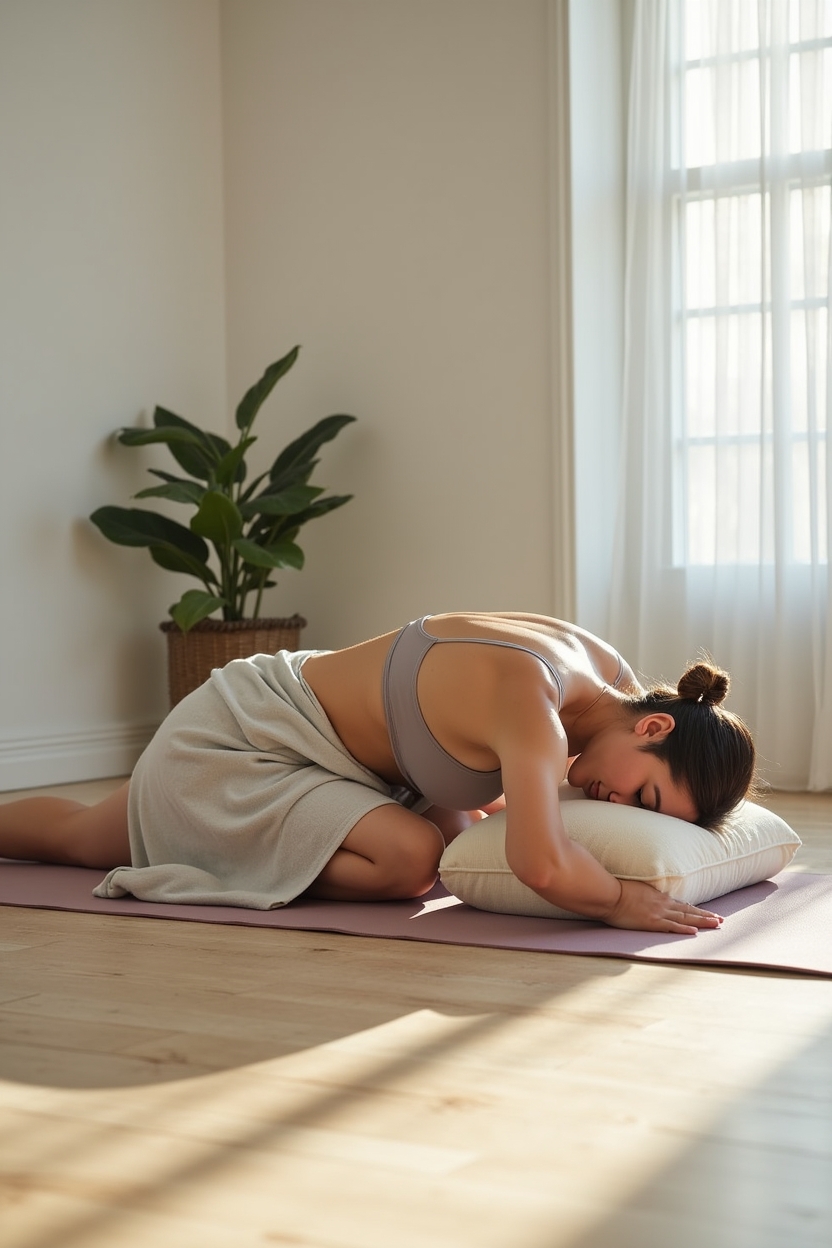
Supta Baddha Konasana with legs grounded — receptive rooting
Intention: cultivate ease, surrender and embodied presence while lying supported.
Setup: Lie back with soles of the feet together and knees splayed, placing a bolster under the spine and pillows under each knee for support. Allow the pelvis to release and the breath to deepen into the belly.
Props: Bolsters, blocks and folded blankets under the knees or head make this pose fully restorative. Adjust support until the breath feels natural and the belly softens.
Grounding benefit: Supported Supta Baddha Konasana invites surrender without loss of awareness. It’s excellent for closing a grounding practice because it combines receptivity with steady breath and full-body contact with the earth.
Breath, bandha and subtle practices that deepen grounding
A few accessible pranayama and subtle-energy practices complement the physical postures. These are gentle, mostly breath-based techniques and a safe introduction to internal cues that support grounding.
Diaphragmatic breathing and 4-6 count rhythms
Why: Diaphragmatic breathing engages the largest respiratory muscle — the diaphragm — encouraging fuller, slower breaths that soothe the nervous system.
How: Place one hand on your belly and one on your chest. Inhale slowly for a count of 4, feeling the belly rise, then exhale to a count of 6, letting the belly fall. Keep the breath effortless; the exhale slightly longer than the inhale is calming. Use this rhythm during restful seated moments or while transitioning between poses to maintain steadiness.
Tips: If counts feel rigid, make them proportional (e.g., 3 in, 4 out). The key is comfort and continuity, not hitting exact numbers.
Anchor breath techniques for transitions
Why: Short anchor breaths reconnect attention with the body between movements, preventing the mind from accelerating during transitions.
How: Use a two- or three-count belly-stabilizing breath: inhale for 2, exhale for 3 with a gentle softening of the pelvic floor and belly on the exhale. Take one anchor breath before shifting weight in standing, before lifting a foot, or when you notice tension rising.
Application: These micro-breaths are discreet and portable — they fold into daily life and help you carry the calm cultivated on the mat into ordinary moments.
Gentle mula bandha and pelvic awareness
Concept: **Mula bandha** – a subtle pelvic-floor engagement used as an internal rooting cue. This isn’t a forceful clench but a soft, attentive lift at the base of the pelvis.
How to practice: While breathing steadily, imagine a gentle drawing upward within the pelvic floor on the exhale and releasing on the inhale. Keep the rest of the body relaxed. For beginners, practice this lying down or seated to sense the cue without balancing demands.
Safety: Keep the engagement subtle; avoid long or forceful holds. If you have pelvic pain or a history of pelvic-floor dysfunction, consult a teacher or pelvic health provider before exploring bandha work.
Grounding visualizations and inner attention
Why: Imagery helps focus attention and anchors the mind when thoughts spiral. Visualizations that evoke weight and connection are especially grounding.
How: Try a simple root-imagery: imagine roots growing from the soles of your feet into the earth, or a gentle warm light pooling in the lower belly. Pair this with your diaphragmatic breath and a steady count. Keep images simple and sensory-based rather than fanciful — tactile metaphors work best for returning to the body.
Use: This technique fits neatly into Savasana, supported poses, or short seated breaks during the day.
A gentle hatha yoga for grounding for beginners sequence
Below is a short, repeatable 10–20 minute sequence you can use most days. Each step explains why it helps and how to practice it. Save or adapt this sequence into longer sessions as confidence grows.
Step 1 — Setting your space and intention (2–3 minutes)
Why: A predictable environment and a simple intention orient attention and reduce decision fatigue. The small ritual of setting space signals the brain that this time is for returning to the body.
How: Choose a quiet corner, soften overhead lights, and place a mat or blanket on a stable surface. Take one diaphragmatic breath to settle. Set a short intention — e.g., “I will return to my feet and breath” — and keep it simple and kind. You don’t need a perfect setting; consistency matters more than aesthetics.
Step 2 — Standing grounding warm-up (3–5 minutes)
Why: Gentle standing movements awaken proprioception and prepare the legs and hips to bear weight with ease.
How: Begin in Tadasana with five slow breaths, then perform small ankle circles, knee lifts with mindful foot placement, and short, slow lunges to feel weight shifting through each foot. Use anchor breath techniques between transitions. These micro-movements prime the nervous system without overstimulating it.
If you’re experimenting with grounding yoga sequences for beginners, keep the pace calm and the range small — the point is to notice connection rather than to build heat.
Step 3 — Rooted standing poses (5–7 minutes)
Why: Short holds in stable standing poses train sustained focus and build the muscular patterns that support grounded posture.
How: Practice Virabhadrasana II (Warrior II) for 3–5 breaths per side, then try Supported Tree (Vrikshasana-lite) for 3–5 breaths, leaning lightly on a wall if needed. Keep transitions slow; use an anchor breath before shifting weight. Shorten holds if the breath becomes shallow.
Modifications: Reduce the stance, practice near a wall, or hold hands on hips while you refine weight distribution. The goal is steady breath and clear grounding cues, not achievement.
Step 4 — Lowering and settling (3–5 minutes)
Why: Moving from upright activity into lower-center poses lowers arousal and helps the nervous system integrate the practice.
How: Transition into Malasana for a few breaths, using a block under the heels if needed. From there, fold forward into Balasana, resting the forehead on a bolster or blanket and breathing diaphragmatically for 6–10 breaths. Focus on the sensation of weight into the knees and chest as you exhale.
This phase emphasizes descent and surrender — a deliberate lowering of both body and physiological arousal.
Step 5 — Restorative close (2–5 minutes)
Why: A supported supine pose consolidates the calming effects and offers a gentle integration period before resuming daily life.
How: Lie back into supported Supta Baddha Konasana with bolsters or blankets under the knees and head. Let the breath lengthen naturally and add a subtle mula bandha cue on exhale if comfortable. Stay for 2–5 minutes, then roll gently to your side before sitting up.
End with a simple intention reminder and one final diaphragmatic breath to carry the steadiness forward.
Practice variations and gentle progressions
How: For mornings, shorten holds and add a little dynamic movement to wake the legs. For evenings or high-anxiety moments, lengthen the restorative close and prioritize long exhales. When you’re ready to progress, increase hold times by a few breaths or add one additional standing pose, always keeping breath the primary metric.
Tip: Keep a short version (5–7 minutes) and a fuller one (15–20 minutes) so you can practice regardless of time. Regular repetition is more stabilizing than occasional long sessions.
Practical tools, props and environment to support grounding
Props and simple environmental choices let you experience rooting without strain. Small adaptations help beginners feel secure and free you to focus on breath and sensation.
Using blocks, bolsters and straps for stability
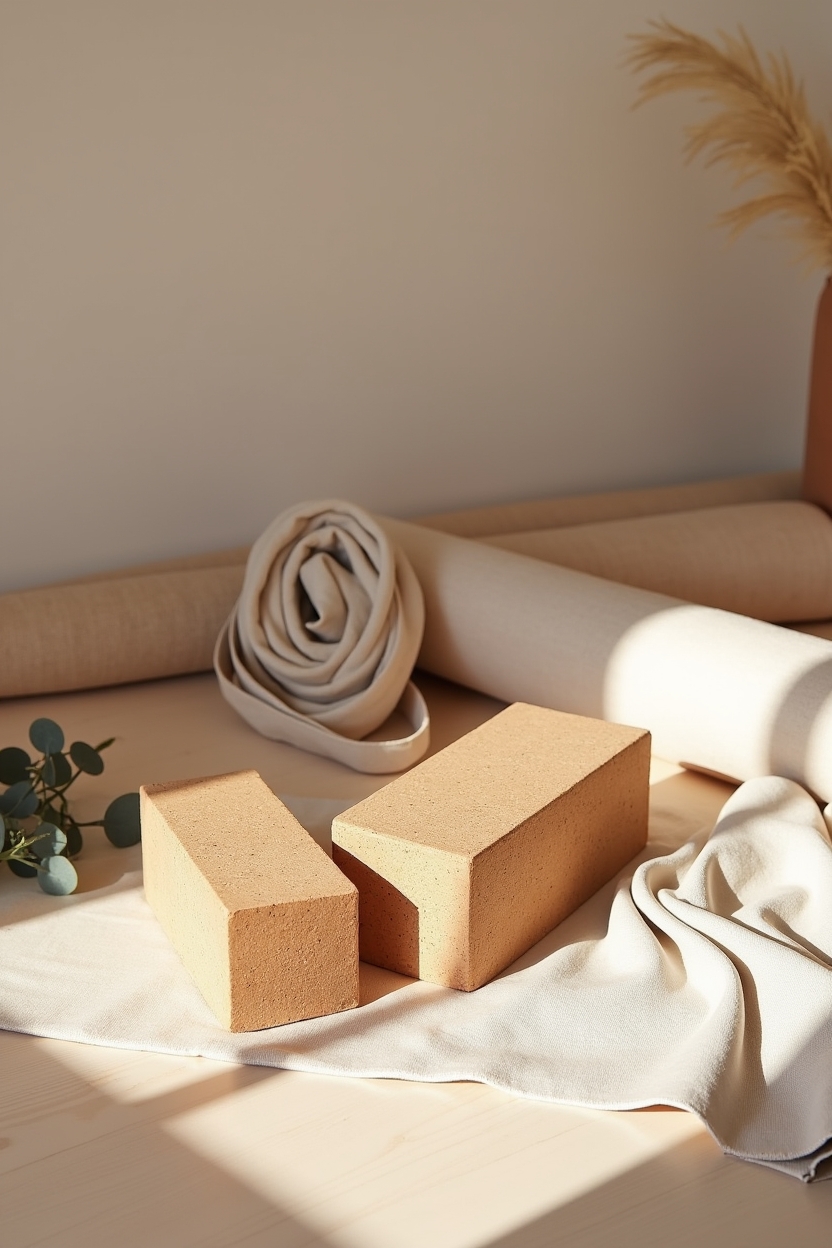
How: Place a block under the sit bones in Malasana to reduce ankle or knee strain. Use a bolster under the torso in Balasana or under the knees in Supta Baddha Konasana for a supported close. A strap can help keep the foot in place during supported balance variations.
Why it helps: Props reduce the need for compensatory gripping and allow alignment to be supported rather than forced. They make grounding accessible and sustainable.
Shoes off, bare feet and surface considerations
Why: Direct contact with the floor increases tactile feedback and strengthens the sensory input that grounds you. Bare feet help you feel subtle weight shifts and activate foot musculature.
How: Practice barefoot on a stable, non-slip surface. If the floor is cold or uncomfortable, use a thicker mat or blanket. Practice outdoors if weather and comfort allow — earth underfoot can be deeply calming.
Small detail: Socks on a slippery surface can undermine grounding by disconnecting sensory feedback; choose footwear intentionally.
Sound, scent and light: small environmental shifts
How: Choose quiet or calming ambient sounds (soft instrumental, nature sounds, or low-volume white noise). Use dimmable lights or a shaded lamp. A gentle, grounding scent like cedar or vetiver in moderation can support focus.
Why: These sensory cues help down-regulate the nervous system and reduce reactivity. Keep changes subtle; the aim is to reduce overstimulation, not to create a new source of distraction.
Practical: Create a small ritual — a candle or folded blanket placed the same way each time — to signal the start and end of practice.
Common beginner questions, safety and progressions
As you begin, you’ll have practical questions and moments of doubt. Below are compassionate, clear responses to common concerns, plus pointers for building a steady habit without pressure.
Why I don’t feel grounded after yoga — troubleshooting
Reason: You moved too quickly. Fast sequences can increase sympathetic activation and leave you more scattered. Fix: slow your transitions and add diaphragmatic breaths between shapes.
Reason: Breath is shallow or uneven. Fix: return to simple 4–6 count breathing and practice anchor breaths when shifting. Reason: comparison or expectation. Fix: remind yourself grounding is subtle — it accumulates with repetition. Track sensations rather than outcomes.
Practical: Keep sessions short and consistent. Small, repeated practices often produce more reliable grounding than infrequent long classes.
When to seek guidance: trauma, chronic pain, or anxiety disorders
If you have a history of trauma, dissociation, or chronic pain, certain grounding practices may be destabilizing rather than calming. In these cases, consult a trauma-informed teacher, therapist, or healthcare provider before experimenting with breathwork or pelvic-floor cues.
Modifications: Use shorter practices, avoid intense breath retentions, and practice in a place where you can stop and move freely if needed. A supportive teacher can offer somatic stabilizing tools and individualized cues.
Compassion: Seeking guidance is a wise, self-supporting step — not a sign of failure.
How to build a steady habit without pressure
Tip: Start with micro-practices — two to ten minutes each day — and attach them to an existing habit (after morning coffee, before bed, or after commuting). Use a consistent sequence so your body learns the ritual.
Track changes by sensation rather than achievement: note evenings when sleep was deeper or moments when anxiety felt less reactive. Habits accumulate: small daily returns to the body compound into lasting steadiness.
Gentle reminder: Practice kindness toward yourself. Grounding is a practice of return, not perfection.
Final Thoughts
Grounding is not a quick fix — it’s a set of simple, repeatable habits that help you live more steadily in your body. Small practices done with attention and kindness compound over time, offering more restful sleep, clearer focus and a quieter mind.
If this guide feels useful, bookmark it or save a favorite sequence for days when you need steadiness. When you’re ready, explore related practices — gentle breathwork, restorative poses, or mindful movement — and keep returning to the breath as your most dependable anchor.