How to Improve Sleep with Sacrum Stretches: A Practical Guide
Difficulty falling or staying asleep can be surprisingly linked to tension around the pelvis and lower back. Gentle, focused stretches for the sacrum can ease that tightness, help shift the nervous system toward rest, and offer a portable bedtime routine. In this practical guide you will learn how to improve sleep with sacrum stretches — what the sacrum does, safe ways to prepare, five accessible stretches, a simple 10-minute bedtime flow, and adaptations for common limitations. You’ll see the primary phrase repeated later in section titles, the SEO title, and the meta description so you can easily find the routine.
Why the sacrum matters for sleep
When the sacrum and surrounding tissues hold tension, the effect is more than local stiffness — it can nudge your nervous system into a higher arousal state and make settling into sleep harder. This section explains the basics in plain language so you know why targeted stretches can help.
Sacrum basics: location and function
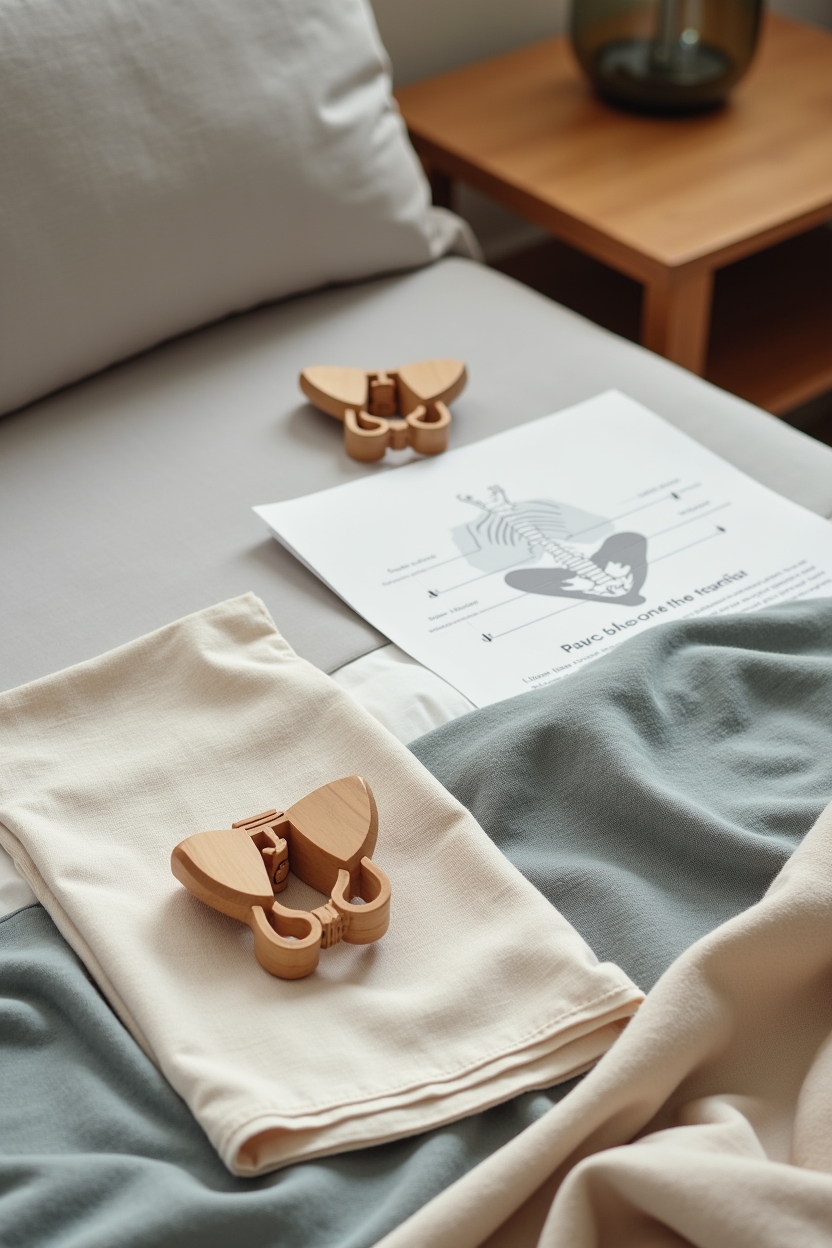
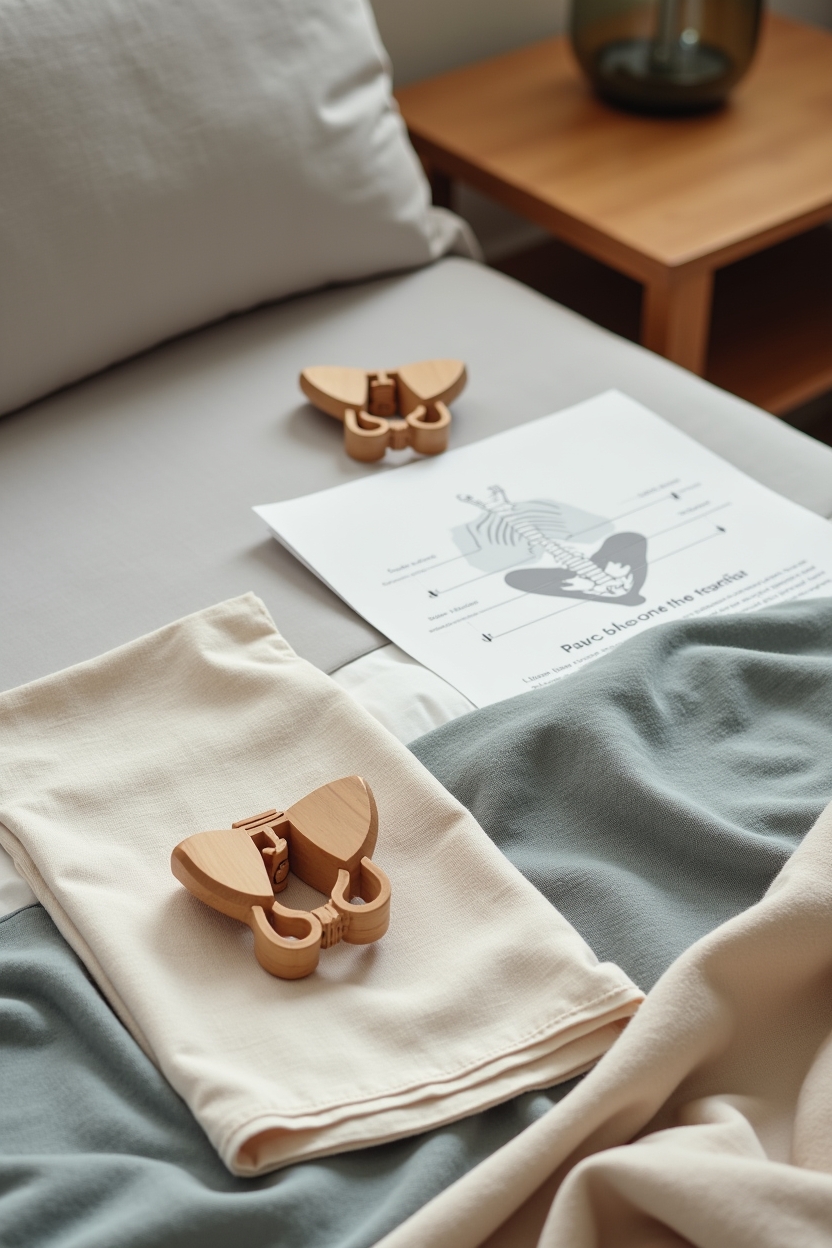
The **sacrum** is a triangular bone at the base of your spine where the lumbar spine meets the pelvis. It forms the back part of the pelvic bowl and connects to the hip bones at the sacroiliac (SI) joints. These structures support your weight, transmit forces between your spine and legs, and anchor several pelvic and hip muscles.
Because the sacrum sits at a crossroads — spine, pelvis, hips and nervous system — tension here can influence movement patterns and comfort throughout the low back and hips. In yoga and bodywork we think of the sacrum as a structural hub whose mobility supports ease in the whole lower torso.
How sacral tension affects sleep
Tightness around the sacrum can create discomfort that wakes you or keeps you from falling into deeper sleep stages. Pain or stiffness may be felt locally or as referred sensations in the buttocks, hamstrings, or low back — all of which can make it hard to find a comfortable position in bed.
Beyond physical discomfort, sacral or pelvic tension can subtly activate your sympathetic nervous system (the fight-or-flight side), especially if you lie in uncomfortable postures for long periods each night. That sympathetic nudge makes it harder to relax into the parasympathetic, restorative state you need for falling and staying asleep.
When to seek professional advice
Gentle stretching and movement can help most tension-related sleep disruptions, but some signs need a clinician’s attention. Seek professional advice if you experience sudden sharp pain, significant numbness or weakness in the legs, new bowel or bladder changes, or pain following trauma.
If you have a diagnosed condition such as recent sacral fracture, advanced osteoarthritis, or recent spinal surgery, check with a physician or physical therapist before doing these stretches. A therapist can show targeted variations that protect healing tissues and support better sleep safely.
Preparing safely: breath, props, and alignment
Before you move into any stretch, a short setup will make the practice more effective and comfortable. This section covers a calming breath technique, simple props that increase ease, and safety adjustments for common situations.
Breath as the first relaxant
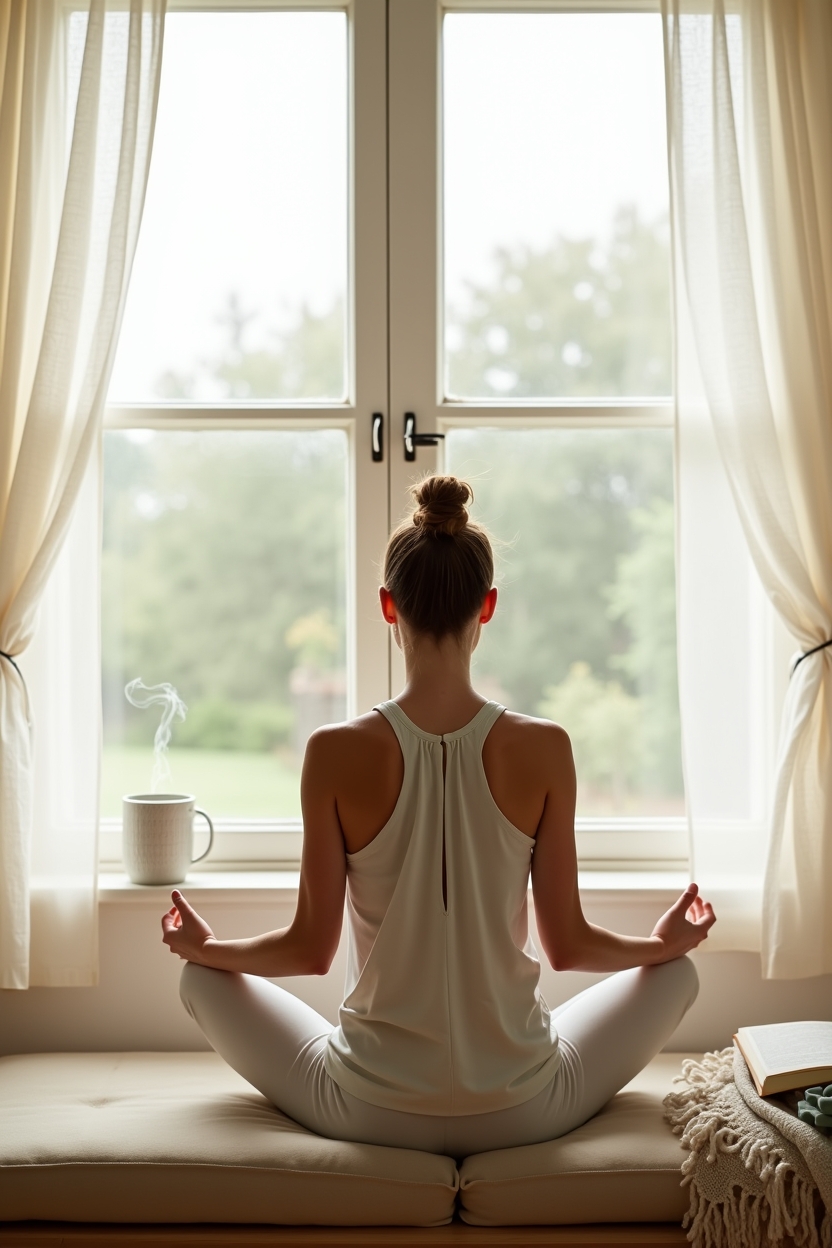
Breath is the quickest, most reliable tool to shift your nervous system toward calm. Diaphragmatic breathing — where the belly rises on the inhale and softens on the exhale — encourages parasympathetic tone and makes stretches feel gentler.
Try a 1–2 minute cue before stretching: settle on your back or seated comfortably, inhale slowly to a count of four, feel the belly expand, then exhale to a count of six. Repeat for eight to twelve breaths. The longer exhale activates the vagal response and primes your body for deeper release.
- Find a comfortable supported position: lying on your back with knees bent or seated upright.
- Place one hand on the belly and one on the chest to feel movement.
- Inhale for 4 counts, exhale for 6 counts. Repeat 8–12 breaths.
Props and positioning for comfort
Simple props transform a stretch from challenging into restorative. A bolster or firm pillow under the sacrum or lower back, a yoga block to support the hips during bridge, and a folded blanket for knee support make positions sustainable and calming.
If you have sensitive knees or hips, keep knees hip-width when lying down, use a strap to hold a foot in place during Figure-4, and place a small pillow under the head to keep the neck neutral. These small supports let you hold poses longer with less guarding.
- Bolster or firm pillow — for restorative support in supine poses.
- Yoga block — to support bridge or adjust height.
- Strap or long towel — for holding foot in Figure-4 if hands can’t reach.
- Folded blanket — under knees or head for extra cushioning.
Safety tips and common contraindications
Move slowly and never force a stretch. If you feel sharp or radiating pain (different from a gentle stretch), ease off immediately. For pregnancy, avoid deep compression of the abdomen and prioritize side-lying or supported variations; discuss new routines with your prenatal provider.
If you have sciatica, hip replacement, or acute disc symptoms, opt for smaller ranges of motion, keep movements pain-free, and lean on a physical therapist’s guidance. The aim is gentle mobility and nervous system downregulation — not a stretch-by-pain approach.
Essential sacrum stretches (how-to + why + modifications)
Below are five accessible, gentle stretches that target the sacrum and surrounding structures. Each entry explains why it helps, gives clear step-by-step cues, suggests modifications, and offers timing guidance so you can use them safely before bed.
Figure-4 reclined (reclined pigeon)
Why it helps: Figure-4 opens the outer hip and eases tension around the sacroiliac joints, which can reduce pulling on the sacrum and lower back.
How to do it: Lie on your back with knees bent. Cross your right ankle over your left thigh, just above the knee, forming a figure-4. If your hands reach, thread them behind the left thigh and draw the left knee toward your chest until you feel a comfortable outer hip stretch at the right glute and sacroiliac area. Keep both sitting bones gently rooted and breathe into the hips.
Mods/precautions: If the hands can’t reach, loop a strap or towel behind the left thigh to gently pull. To reduce intensity, keep the left foot on the floor and press the right ankle into the thigh without pulling the knee in. Timing/reps: Hold 30–90 seconds, 1–3 times each side, breathing slowly throughout.
- Lie supine with knees bent and feet on the floor.
- Cross right ankle over left thigh into figure-4 shape.
- Use hands or a strap to draw the left knee toward chest until you feel a gentle stretch.
- Hold 30–90 seconds, then switch sides.
Knees-to-chest gentle rock
Why it helps: Drawing the knees toward the chest mobilizes the lumbar-sacral junction and soothes the nervous system through rhythmic, supported movement.
How to do it: Lying on your back, hug both knees into the chest. Keep the forehead relaxed. Take several slow, diaphragmatic breaths, then gently rock side to side or forward/back a few inches, moving from the low back and sacrum. Keep the motion small and guided by comfort.
Mods/precautions: If both knees is too intense, do single-knee draws — bring one knee to chest while the other leg extends or stays bent. Timing/reps: 6–10 slow breaths, including gentle rocking for the duration.
- Lie on your back and hug both knees into the chest.
- Breathe slowly for 6–10 breaths, then add gentle rocking from side to side.
- Switch to single-knee draws if needed.
Supported bridge with sacral release
Why it helps: A supported bridge offers light extension of the sacrum and a gentle opening of the pelvic floor and hip flexors without compressing the lower back.
How to do it: Lie on your back with knees bent and feet hip-width. Press into the feet to lift the hips into a neutral bridge, then slide a block or bolster under the sacrum (use a lower height on first attempts). Rest the sacrum on the support and soften the belly. Breathe into the front body and allow the glutes to release around the support.
Mods/precautions: Keep the lift small if you have low-back sensitivity — the block can be lower or you can simply place a folded blanket under the sacrum without lifting. Timing/reps: Rest for 30–60 seconds, 1–2 rounds; longer holds (up to 2–3 minutes) can be restorative if comfortable.
- Lie supine with knees bent and feet on the floor.
- Lift hips into a neutral bridge and place a block/bolster under the sacrum.
- Relax onto the support and breathe for 30–60 seconds.
Supine twist with bolstering
Why it helps: Gentle rotation soothes the sacroiliac area, releases the posterior pelvis, and calms the nervous system when supported.
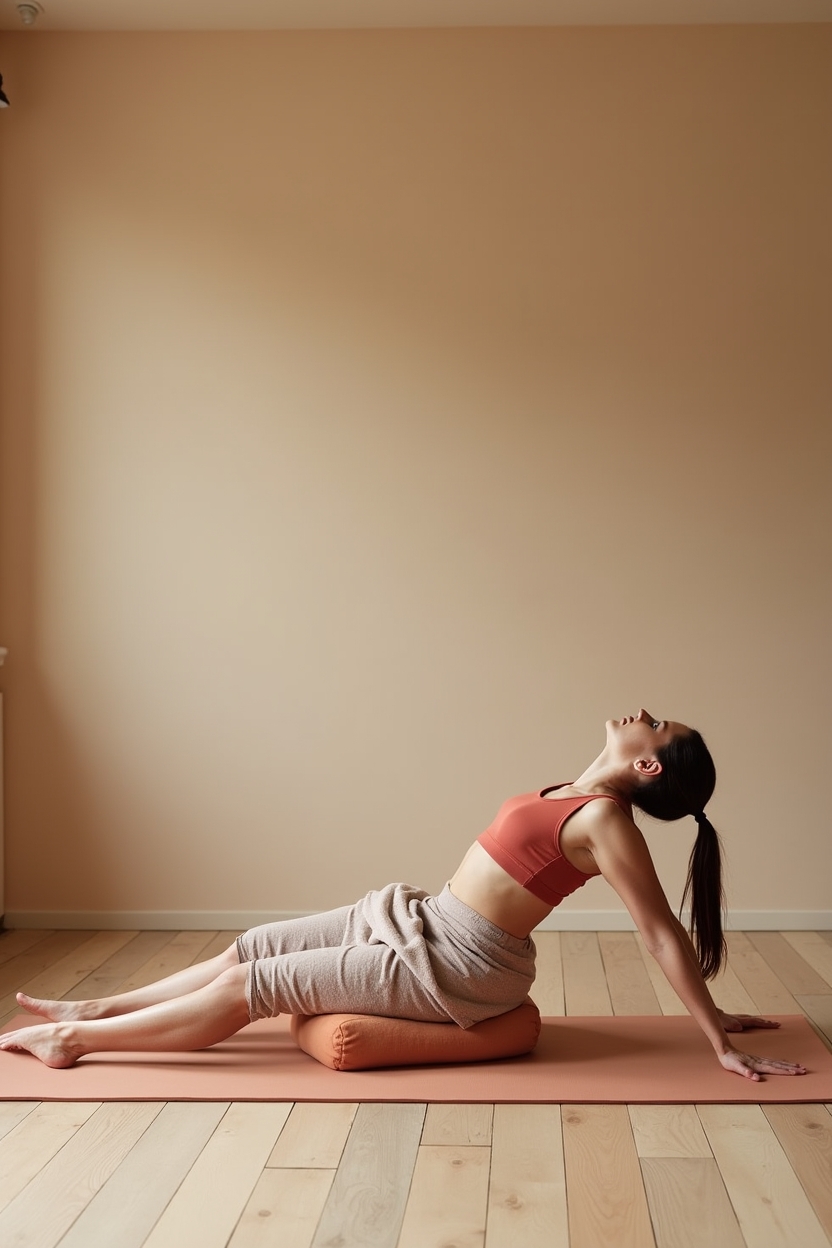
How to do it: Lie on your back and draw both knees into the chest. Extend the arms out in a T if comfortable. Slowly lower both knees to the right, keeping shoulders grounded. Place a bolster or pillow under the knees for support so the hips can soften. Breathe into the twist and let the sacrum release toward the floor.
Mods/precautions: Keep knees together for less intensity or allow them to part slightly for a deeper rotation. If any radiating leg symptoms appear, reduce the twist and favor neutral mobility like knees-to-chest. Timing/reps: 1–2 minutes each side, slow diaphragmatic breaths.
- Lie supine and hug knees to chest.
- Lower knees to one side and place a bolster under the knees.
- Breathe for 1–2 minutes, then repeat on the other side.
Child’s pose variation for sacral release
Why it helps: A supported forward fold lengthens the lumbar area and induces a calming, parasympathetic response — great for late-night rest.
How to do it: From hands-and-knees, widen the knees to mat edges or keep them hip-width depending on comfort. Sit the hips back toward the heels and lower the torso forward. Support the forehead on a bolster or stacked hands; place a pillow between calves and thighs for more lift. Allow the sacrum to feel long and soft.
Mods/precautions: If knees are sensitive, place a bolster or folded blanket under the hips to reduce compression. For deeper rest, stay here for 2–5 minutes and focus on slow exhalations. Timing/reps: 2–5 minutes as a final restorative posture.
- Come to hands-and-knees and widen the knees or keep them together.
- Sit hips back toward heels and lower the torso over a bolster.
- Support forehead and breathe for 2–5 minutes.
A short bedtime flow: how to improve sleep with sacrum stretches
Below is a gentle 8–12 minute sequence that combines core sacrum-focused stretches into a cohesive wind-down. This H2 repeats the primary phrasing to help you locate the routine quickly. Move slowly, cue the breath, and choose modifications as needed.
10-minute wind-down: step-by-step
Why: A short sequence creates a predictable ritual that calms the nervous system and gently mobilizes the sacrum before bed. Keeping the flow brief helps it become a sustainable nightly habit.
How: Follow these six steps with slow diaphragmatic breathing. Start with breath to shift toward rest, then move through Figure-4 and knees-to-chest to address hips and lumbar-sacral mobility. Add a supported bridge for light pelvic opening, then a supine twist to soften the SI joints, and finish in restorative child’s pose for sustained calm. Use gentle counts — inhale for 4, exhale for 6 — and prioritize comfort over depth.
Breath counts and pacing: For restless nights, shorten holds to 20–30 seconds and emphasize longer exhalations; for exhausted nights, allow longer holds (60–90 seconds) and deeper support with bolsters to facilitate surrender.
- Breath (1–2 minutes): Diaphragmatic breathing, inhale 4 / exhale 6, 8–12 breaths.
- Figure-4 reclined (1–2 minutes): 30–60s each side, use strap if needed.
- Knees-to-chest gentle rock (1 minute): 6–10 slow breaths with small rocking.
- Supported bridge (1–2 minutes): Lift to neutral bridge, rest sacrum on block for 30–60s.
- Supine twist with bolstering (2 minutes): 1–2 minutes each side with support.
- Restorative child’s pose (2–3 minutes): Long soft breaths, eyes closed.
How to improve sleep with sacrum stretches — simple 10-minute flow
Why: A condensed cue sheet is easy to memorize or keep by the bed so you can move from thought to practice with minimal effort. The phrase functions as a quick reminder of the goal: integrate sacrum-focused mobility into your nightly ritual.
How: Keep this one-line cue sheet nearby. Begin with two minutes of belly breathing. Move to a 30–60s figure-4 on each side, then a 1-minute knees-to-chest. Rest on a block for 30–60s in supported bridge, then 1 minute per side in a supine twist with a bolster. Finish with 2 minutes in restorative child’s pose. If you feel pain, shorten the hold, add props, or skip to a gentler pose.
Cue words and quick mods: “Breathe — Figure-4 — Hug knees — Lift & support — Twist — Rest.” For pain or tightness: reduce range, use a bolster, or do single-knee variations. This brief script helps you move smoothly and consistently each night.
- Breath: 1–2 minutes, inhale 4 / exhale 6
- Figure-4: 30–60s each side (strap if needed)
- Knees-to-chest: 6–10 breaths
- Supported bridge: 30–60s on a block
- Supine twist: 1 minute each side with bolster
- Restorative child’s pose: 2 minutes
Troubleshooting, adaptations, and progression
Not every night will feel the same. Here are quick fixes for common hiccups, tips to make the routine stick, and how to increase practice over weeks without overloading the sacrum.
If a stretch increases pain
Immediate adjustments: stop the movement, breathe, and back out to a neutral position. Reduce the range of motion, add a prop for support, or switch to a gentler variation such as single-knee draws instead of both knees. Pain that is sharp, radiating, or accompanied by numbness warrants stopping and contacting a professional.
When to consult: If discomfort persists beyond gentle muscle soreness, or if you notice new neurological signs (tingling, numbness, weakness), consult a physician or physical therapist. A clinician can assess structural factors and provide targeted interventions so your home routine remains helpful instead of harmful.
Making it sustainable: habit tips
Tiny, consistent practices win over occasional long sessions. Pair the 10-minute flow with an existing cue — brushing teeth, dimming lights, or a cup of caffeine-free tea — so it becomes part of the bedtime ritual rather than an added chore.
Set up the environment: keep props near the bed, place the condensed cue sheet on your nightstand, and choose soft lighting. Celebrate small wins: even three nights a week will begin to shift your body’s expectation around sleep.
- Pair the routine with an existing nightly habit.
- Keep props within reach so the routine is easy.
- Use a short cue sheet by the bed to remove decision fatigue.
Progressing mindfully over weeks
Track sleep changes and comfort: use a simple log noting how you slept and how your body felt after the routine. If you tolerate the 10-minute flow well for two weeks, gently lengthen holds by 15–30 seconds or add another supportive mobility move like pelvic tilts in the morning.
Progress slowly and listen to feedback from the body — improvements in mobility and sleep quality often appear gradually over 2–4 weeks. If you hit a plateau or new discomfort emerges, scale back and consult a professional for individualized progression.
- Practice the 10-minute routine consistently for 2–4 weeks.
- Increase holds by 15–30 seconds only if pain-free.
- Add complementary morning mobility like pelvic tilts to support daytime movement.
Lifestyle complements for better sleep and sacrum health
Stretching is one piece of a broader sleep-supporting approach. These practical complements help maintain sacral mobility and create the conditions for restorative rest.
Movement and gentle daily mobility
Regular, gentle movement keeps the sacrum and surrounding tissues supple. Short walks, pelvic tilts, and morning micro-stretches break up stiffness from sitting and maintain range of motion. The cumulative effect of small daily mobility sessions supports the nightly sacrum-focused routine.
Incorporating sacral work into daytime movement prevents dependency on a nightly stretch to relieve stiffness. For example, 5–10 minutes of pelvic tilts or standing hip circles during breaks helps the sacrum stay mobile and reduces bedtime tension. These simple practices pair well with the bedtime flow and with other approaches like mindful breathwork.
- Daily short walk (10–20 minutes) to reduce stiffness.
- Pelvic tilts: 8–12 slow repetitions in the morning.
- Hip circles or gentle lunges to keep hip joints mobile.
Sleep hygiene and bedroom setup
Sleep quality responds to consistent cues. Keep a stable sleep schedule, dim lights an hour before bed, and aim for a cool, comfortably dark bedroom. Tying your sacrum stretch routine to these cues strengthens associative learning — your body begins to expect rest after the sequence.
If you experience ongoing sleep difficulties despite these adjustments and regular stretching, consider tracking sleep patterns and discussing them with a sleep specialist. Small changes often add up: better posture during the day, a supportive mattress, and consistent wind-down habits all help your sacrum-focused stretches be more effective.
10-minute Bedtime Sacrum Stretches — Printable Cue Sheet
A printable routine you can keep by the bed: the condensed 10-minute flow, quick cue words, prop checklist, and gentle modifications for pain or pregnancy. Use it as a nightly guide for two to four weeks and note changes in your sleep.
Download the bedtime cue sheet
Final Thoughts
Small, consistent sacrum-focused stretches can ease pelvic and low-back tension and support calmer, more restorative sleep. Practice gently, respect your limits, and give the routine a fair trial of 2–4 weeks while tracking changes. If pain or concerning symptoms arise, pause and consult a professional.
When you treat this sequence as a gentle invitation rather than a task, it becomes a nourishing nightly habit — a simple way to listen to and care for your body as you move toward rest.