
South Node in Cancer for Love: What It Really Means
**South Node** — the lunar node that points to familiar patterns, comforts, and karmic residues — shows where you move from. In astrology it contrasts with the **North Node**, which points toward growth and new skill. If you’re reading a chart and see the phrase south node in cancer for love, you’re looking through a lens that highlights emotional habits formed in family, early home life, or even past lives — patterns that shape how you care, ask for care, and seek safe harbor in relationships.
This article will walk you through symbolic meaning, common emotional patterns, how this placement shows up in partnership, and gentle practices that help you balance tender Cancerian needs with the North Node’s invitation to mature, steady agency. Think of this as a warm companion for reflection — not a prescription, but a map you can use along your relationship journey.
What is the South Node — a quick refresher
A short, calm refresher helps ground the rest of the piece. The nodes are symbolic points where the Moon’s orbit crosses the ecliptic; astrologically they describe a soul’s movement between comfort and growth. The south node represents the patterns you already know — emotional reflexes, early conditioning, and the roles you slip into without thinking.

Cancer as a sign: core themes
Cancer’s language is intimacy, home, and feeling safe — not in a showy way, but in the small rituals and private loyalties that steady inner life. When any planet or point sits here, those domestic and emotional notes color expression, priorities, and the ways you protect yourself.
Cancer’s emotional language
Cancer speaks in moods, textures, and the rhythm of care. You sense more than you name; feelings are both information and a kind of home — they tell you where you belong and who belongs with you.
Under Cancer’s influence you may default to caretaking, hospitality, and anticipation of others’ needs. That sensitivity gifts you deep empathy. It can also mean you absorb emotional atmospheres easily, making clear boundaries essential so you don’t mistake someone else’s weather for your own.
When you learn to name and tend your internal states, Cancer’s emotional language becomes a strength rather than a script you live by automatically.
How Cancer shapes needs for safety and belonging
Cancer craves a reliable nest — literal or emotional. That need for safety often shows up as a preference for familiar routines, cherished objects, traditions, and people who feel like family.
At its best, this leads to devotion, loyalty, and a capacity to nurture others through life’s small crises. At its shadow, it becomes clinging or retreating into protective shells to avoid perceived threat.
Recognizing where your longing for belonging is healthy and where it becomes a compensatory strategy is the first step toward choosing responses rather than reacting by habit.

South Node in Cancer — symbolic meaning
When the south node sits in Cancer it points to a history — familial or karmic — of emotional roles, caretaking expectations, and survival strategies tied to home. This placement doesn’t condemn; it describes what feels known and therefore comfortable, even when it limits growth.
Comfort, habit, and the pull of familiar care (south node in cancer for love)
With the south node in Cancer for love, your instinct is to return to patterns that once kept you safe. Those patterns might come from childhood dynamics where your emotional labor was expected, or where retreat and protectiveness were the wisest choices. Over time, they can calcify into roles — the ‘caregiver,’ the ‘peacemaker,’ the one who smooths edges to keep the household functioning.
That pull toward familiar care feels soothing because it’s predictable. You know the choreography: how to avert conflict, how to minister to a partner’s discomfort, how to make peace at the cost of your own edge. The work is not to erase that tenderness — it is to bring consciousness to it, so you can offer care without losing yourself.
Naming these habits allows you to choose. You can still be warm and nurturing, but you can also practice asking for reciprocity and steadying the emotional economy of your relationships.
Emotional survival strategies tied to home and family
The south node in Cancer often signals strategies that were adaptive when you needed them — people-pleasing, emotional suppression to keep the peace, or hyper-vigilant caretaking that kept a household intact. These were survival tools. As an adult, they can show up as automatic responses rather than conscious choices.
Shadow patterns include over-identifying with family roles, allowing household expectations to define your limits, or retrofitting partners into parental templates. You may unconsciously select partners who validate the roles you learned early on — reproducing a dynamic that feels familiar even when it’s no longer nourishing.
Recognizing these strategies as remnants of survival — not definitions of your value — lets you begin softening them and experimenting with new relational scripts.
How the south node in cancer for love shows up in relationships
Translated into lived experience, this placement colors expectations, conflict style, and attachment habits. Read it compassionately — these patterns emerged for reasons. The goal is steadying your relationship choices so they no longer repeat a wounding script.
Attachment, caretaking, and repeating family scripts
If you have the south node in Cancer for love, attachment often arrives with caregiving folded inside it. You may equate love with doing — making meals, keeping peace, anticipating needs — and expect that the emotional labor you offer is how love is measured.
Because family scripts are powerful, you might unconsciously re-enact roles: becoming the emotional anchor while your partner takes the ‘child’ role, or flipping between rescuer and withdrawn protector depending on stress. These roles can limit equality and mutual growth.
Naming who you were asked to be in your earliest home gives you language to negotiate different roles now. You can choose interdependence over enmeshment, and compassion over automatic caretaking.
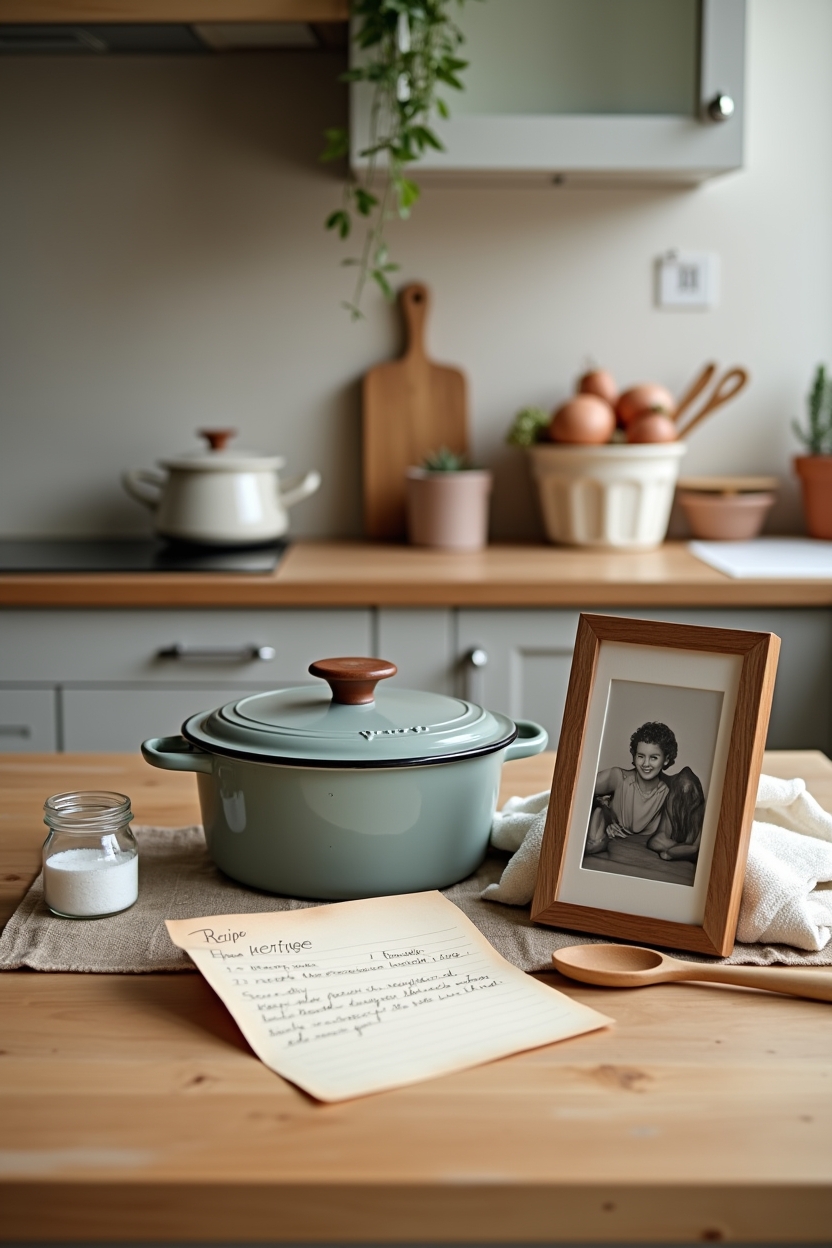
South node in cancer for love — common relational scenarios
Here are scenes you might recognize: you rescue partners who are emotionally unavailable because rescuing is familiar; you stay in relationships longer than is healthy out of fear of abandonment; you test your partner’s reliability through clingy or passive tests that replay old family dynamics.
Another common scenario is that you inherit someone else’s emotional responsibilities — partners or friends expect you to manage moods, soothing everyone except yourself. Over time this becomes draining and breeds quiet resentment.
Seeing these scenarios in your life isn’t about blame. It’s about clarity. Once you spot the pattern, you can choose interventions that strengthen your emotional boundary and invite reciprocal care.
Transference, boundaries, and emotional enmeshment
Transference — the unconscious projection of early family dynamics onto current partners — is especially likely with Cancerian patterns. Your partner may become a stand-in for a parent, and roles from childhood may replay in subtle, persistent ways.
This often blurs boundaries. You might take responsibility for another adult’s feelings or, conversely, shut down to avoid being swallowed by someone else’s emotional storms. Both responses are attempts at emotional safety.
Learning to separate past from present — to recognize when you’re reacting to a memory rather than to now — is an act of self-care. It allows you to hold tenderness without losing track of your own edges.
Healing and growth: moving toward the North Node
The north node invites you toward what feels unfamiliar and necessary for growth. Opposite the south node, it asks you to develop skills that balance your tender instincts with responsibility, structure, and self-authority. This is where transformation happens slowly, with practice.
From habit to choice: cultivating emotional maturity
Why: The north node asks you to shift from automatic caretaking into conscious care — choosing how and when to give, and learning to hold your needs as visible and legitimate.
How: Start small. Practice naming your need before acting on someone else’s. When you notice an impulse to smooth or rescue, pause and ask: ‘Is this my responsibility right now?’ Use a short grounding ritual — three deep breaths and a hand-on-heart check-in — to create space between impulse and action.
Over time, these micro-choices build a new default: care that is generous but not self-erasing.
Boundaries, self-authority, and steady commitment
Why: The north-node direction often asks for disciplined, steady practices that create safety outside of emotional reactivity. In many charts the opposite point asks for Capricornian maturity: structures, responsibility, and reliable presence.
How: Practice saying small, clear boundaries first — phrasing that is loving and firm, such as ‘I can help with this, but I need it to end by 8pm.’ Track commitments you make to yourself and keep them. Let steady, reliable actions replace performance-based caretaking.
This isn’t coldness. It’s creating a container where intimacy can flourish because both partners know what to expect and who is responsible for what.
Practical tools: practices for chart-holders and lovers
Practical, shareable tools help you translate insight into habit. These are small, easy-to-print or pin prompts — journaling cards, brief meditations, and conversation starters — meant to create safer attachment patterns and clearer conversations.
Journaling prompts and reflection (Pinterest-friendly cards)
A practice of gentle inquiry helps you notice patterns without judgment. Use short prompts that fit on a card or a shared note with a partner — they become anchors for honest conversation and personal growth.
Try to write without censoring; let memories and sensations arrive. These prompts are designed to help you see where your caregiving is coming from so you can choose different responses when needed.
- When did I feel safest as a child? What did that safety cost me?
- When do I most often default to caretaking in my adult relationships?
- What does ‘being taken care of’ look like to me, and who taught me that?
- A boundary I wish I had in my family of origin — how could I practice that boundary now?
- What small ritual would make me feel seen and steady this week?

Short meditations and breathwork for emotional regulation
Simple somatic tools help interrupt reactive loops. These short practices are shareable and safe to do anywhere — in a quiet moment alone or together with a partner.
The aim is not elimination of feeling but creating the pause that allows conscious choice.
- 3-3-6 breath: inhale 3 counts, hold 3, exhale 6 — repeat five times to steady the nervous system.
- Hand-on-heart pause: place a hand over your heart, breathe slowly for 1 minute, name one need quietly.
- Ground-and-name: plant feet, feel the ground, name three sensations in your body before responding to emotional heat.
Conversation starters for partners
Gentle, non-accusatory language opens doors. These prompts encourage curiosity instead of blame, and invite partners into one another’s interior without recrimination.
Try using one prompt during a calm moment rather than in the midst of conflict — these are invitations to slow, not tests.
- When you feel distant from me, what helps you feel safe to come back?
- Can we share one thing each week that felt emotionally heavy and one thing that felt nourishing?
- I notice I often take on X — would you be willing to notice it with me and remind me to pause?
- What family script do you think we might be replaying, and how would you like to change it?
When to seek therapy or astrological counseling
If patterns feel overwhelming, persistent, or tied to deep childhood wounding, professional support can be a gentle, structured way to change them. A therapist helps you process attachment wounds safely; an astrologer can map themes and timing so you understand patterns in context.
Consider seeking help when you notice repeated cycles that harm your well-being, when your relationships consistently replicate painful dynamics, or when attempts at boundary-setting lead to escalation rather than conversation.
Therapy and counseling are tools of care — choices you make for the long-term health of your heart and partnerships.
- When recurring patterns cause significant distress or dysfunction in relationships
- When childhood experiences are being reenacted in harmful ways
- If you want structured skill-building around boundaries and attachment
- When you’d like help integrating astrological insight into everyday change
Final Thoughts
The south node in cancer for love describes tender, familiar patterns that once kept you safe — and now sometimes keep you small. Reframing these tendencies as inherited strategies rather than fixed flaws gives you room to practice different responses, ask for reciprocity, and build steady structures that honor both your sensitivity and your autonomy.
If one line here landed with you, try a short journaling prompt or a breath practice this week. Small acts of attention add up — and every step toward conscious care is a kind, meaningful way of loving yourself and your relationships.