Part of Fortune in Cancer for Love: A Gentle Guide
Imagine a soft, reliable light that shows you where ease and nourishment naturally arise in your life — that’s the tone of the Part of Fortune. The **Part of Fortune** is an ancient horoscopic point calculated from the Ascendant, Sun, and Moon; it marks where alignment often brings tangible reward and a sense of flow. This article focuses on the part of fortune in cancer for love — how this placement colors emotional needs, intimacy patterns, and what feels nourishing and prosperous in relationships.
You’ll find clear interpretations, everyday examples, and gentle practices you can try at home. Whether you’re studying your chart casually or pinning shareable insights, these notes are meant to be practical and comforting rather than deterministic.
What the Part of Fortune Is (and How to Find It)
The Part of Fortune is not a planet but a sensitive point with a long history in horoscopy. It maps a kind of natural ease — a place in your chart where effort often turns into reward when you align with its qualities.
Concept: a point of thriving, not a planet
Start by thinking of the Part of Fortune as a compass needle rather than an actor on a stage. It doesn’t have agency like Venus or Mars, but it highlights where your life can feel effortless and where luck — understood as synchronistic support — tends to appear.
In traditional astrology the Part of Fortune is calculated from the positions of the Ascendant, Sun, and Moon. Psychologically, it’s where the outer life (Sun) and inner life (Moon) find a productive meeting place relative to your identity (Ascendant). In relational terms, it’s a clue to what feels like ‘winning’ in love.
When you read chart notes that mention the Part of Fortune, treat them as invitations — soft guidance about where to cultivate practices and boundaries that let your relational resources grow.
How to locate the Part of Fortune in your chart
Most modern chart apps label the Part of Fortune or include it in an extended list of Arabic Parts. If you use an app, open the list of points or the table of planetary positions and look for “Fortune” or “Part of Fortune.” It will show a zodiac sign and a degree — that’s your starting point.
For the traditionalists, the formula differs slightly by day/night charts: by day, Fortune = Ascendant + Moon − Sun; by night, Fortune = Ascendant + Sun − Moon. Many apps calculate this for you, but knowing the formula helps you understand why the Moon, Sun, and Ascendant matter here.
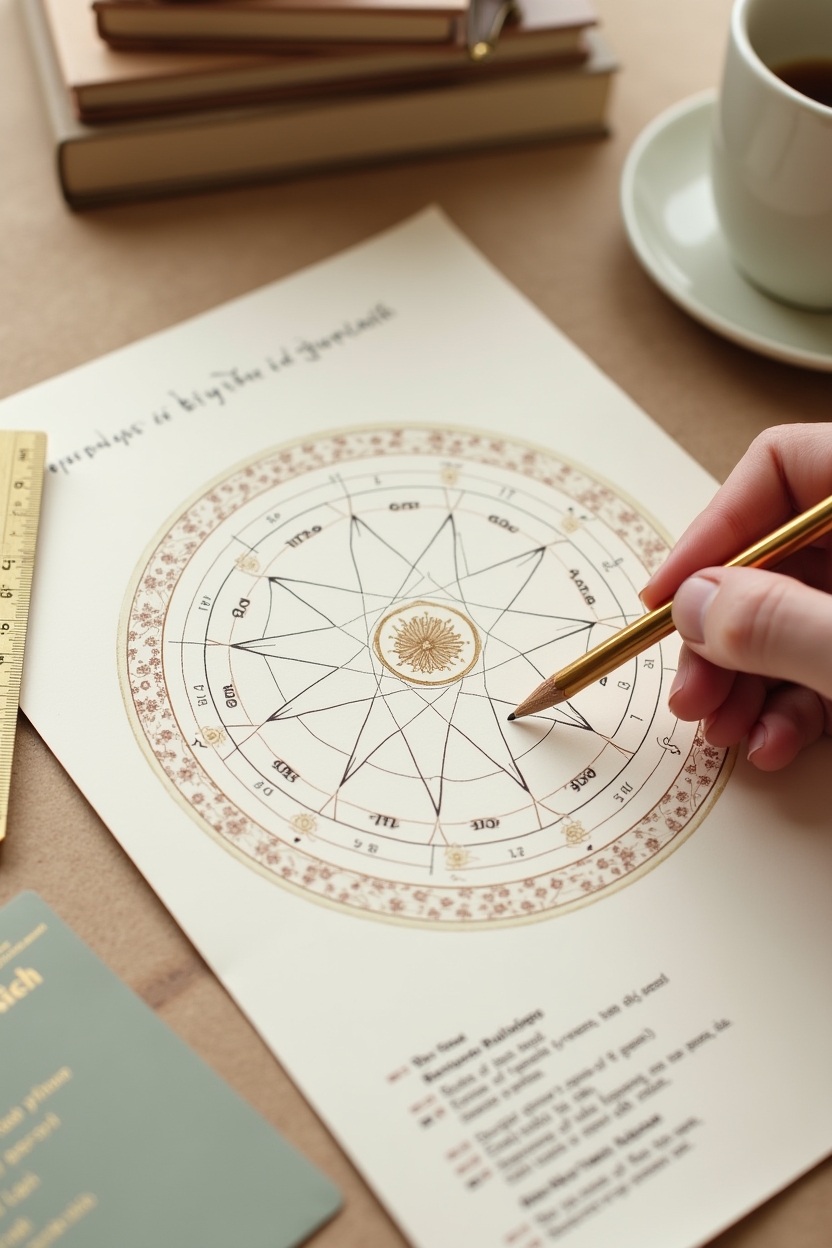
Quick mobile tip: if your app allows overlays on the wheel, toggle the Arabic Parts on and tap the label to see which house and aspects touch the Part of Fortune. If you want a screenshot for Pinterest, include the wheel and a short caption naming the sign and house — for readers with the part of fortune in cancer for love, that caption becomes a handy shareable.
- Open your chart in a trusted astrology app and find the list of points or Arabic Parts.
- Look for “Part of Fortune” or “Fortune” and note its zodiac sign and degree.
- Check which house the point falls in — that contextualizes how the placement will play out.
- If you calculate manually, use the day/night formula (Ascendant + Moon − Sun for day; Ascendant + Sun − Moon for night).
Archetype of Cancer: Emotional Nourishment and Home
Cancer is the zodiac’s guardian of emotional life, memory, and domestic belonging. When the Part of Fortune sits in Cancer, the map of emotional ease points squarely to themes of care, home, and palpable emotional safety.
Cancer keywords that matter for relationship luck
Cancer’s language is soft but powerful: receptivity, caretaking, attunement, and the preservation of emotional continuity. In relationships, these traits translate into a preference for depth, longevity, and rituals that anchor feeling.
If your Part of Fortune is in Cancer, you likely feel most fortunate when you’re creating a sheltered emotional container — shared meals, repeating bedtime rituals, or curating a cosy home environment. Belonging and the sense of being known matter more than flashy romance.
This orientation doesn’t mean you’re clingy; it means you value the slow accumulation of intimacy and you consider emotional security to be a form of abundance.
Why emotional safety equals fortune with this placement
When emotional safety is prioritized — by you or by your partner — many other relational tensions soften. Trust grows, misunderstandings find repair, and the small comforts of daily life become sources of deep satisfaction. For the part of fortune in cancer for love, this safety is not optional; it’s central to feeling lucky.
Psychologically, Cancer values continuity and the protective container. So the Part of Fortune here suggests that investment in safety nets — clear communication about vulnerabilities, predictable domestic rhythms, ancestral listening — yields outsized returns in closeness.
This is a gentle reminder that fortune here comes from tending a relationship like a garden: consistent small actions compound into a flourishing emotional life.

How the Part of Fortune in Cancer Shows Up in Love (part of fortune in cancer for love)
Here are practical, observable ways this placement tends to express itself in dating and committed partnerships. The emphasis is on what feels nourishing, how partners enter your life, and the domestic signs of emotional luck.
Signs of the part of fortune in cancer for love
Look for patterns rather than single events. The part of fortune in cancer for love often shows as a steady drift toward partners who appreciate care and continuity. You may notice that your romantic ‘wins’ happen in familiar, emotionally saturated settings rather than glamorous public moments.
Sentimentality, attention to family ties, and attraction to people who value home rituals are common. You might also find that caretaking roles — whether giving or receiving — become places where you feel especially successful and seen.
Below are Pinterest-ready phrases you can use as captions or keep as gentle reminders of what flows for you.
- Feels lucky when sharing a homemade meal or family tradition
- Attracted to partners who are rooted or family-oriented
- Finds intimacy through caretaking and small domestic rituals
- Collects memories and mementos as relationship glue
- Prefers slow-developing love that deepens over time
How it affects dating style and partner choice
In early romance you may come across as cautious, quietly attentive, and selective. You’re more likely to prefer depth over novelty — a date that allows for personal history to surface will feel like fertile ground.
You may be drawn to partners who provide a sense of rootedness: someone grounded, familiar, or invested in family life. This doesn’t exclude spontaneous fun, but your emotional barometer often looks for reliability and warmth.
Practical dating tip: prioritize settings where conversation can deepen and where domestic rituals (cooking together, visiting each other’s homes) can be introduced early and naturally.

Patterns in committed relationships
Once settled, the dynamics often revolve around caretaking loops and negotiated dependencies. You may both give and receive nurture as a primary love language; feeling cared for in mundane ways— someone remembering how you take your tea, or holding space after a hard day — becomes a measure of success.
Memory work is important: shared stories, ancestral projects, or rituals marking anniversaries build a sense of continuity. The physical home—its safety and atmosphere—becomes a shared symbol of relational fortune.
Be mindful of enmeshment risks: the desire to keep partners emotionally close can sometimes make boundaries blur. That’s why small, steady practices of communication and autonomy matter.
Aspect & House Colorations: Nuances That Change the Story
The sign gives the flavor, but the house and aspects give the details. Where the Part of Fortune falls in your chart and which planets touch it will modify how Cancer’s themes show up in love.
Common Misreadings and Gentle Corrections
Astrology can be poetic, and sometimes poetic language becomes literalized. Below are common misreadings about the Part of Fortune in Cancer and softer, more helpful reframes.
Myth: the part of fortune in cancer guarantees romantic success
It’s tempting to read the Part of Fortune as a promise: if it’s in Cancer, love will be easy. The truth is more nuanced. The point indicates where ease is possible, not where success is automatic.
You still need boundaries, emotional literacy, and honest choices. For someone with this placement, fortune blooms when you combine your instinct to nurture with clear communication and the capacity to receive care.
Alternative for growth: build habits that make emotional safety sustainable — regular check-ins, predictable rituals, and clear agreements around caregiving and personal space.
Myth: only the 7th house rules love
Some readers assume that only the 7th house matters for relationships. In reality, Cancer’s axis, the house placement of the Part of Fortune, and aspects from Venus, Moon, or Saturn all shift the picture.
For example, Fortune in Cancer in the 4th emphasizes home and lineage as sources of relational luck, while Fortune in Cancer in the 7th amplifies partnership rituals and public relational identity. Aspects from Neptune can soften boundaries and invite idealization; challenging Saturn aspects may require work and structure to unlock ease.
Reading the full chart keeps the language humble: the Part of Fortune is an important clue, never the whole story.
Practical Practices: Cultivating Your Emotional Fortune
If your Part of Fortune sits in Cancer, the practices that cultivate emotional and relational luck are often domestic, memory-based, and gentle. These are small, repeatable actions that build security over time.
Rituals that nourish the heart and home
Rituals anchor feeling and create a sense of belonging. Choose a few that feel natural and repeat them consistently; the point here is accumulation rather than perfection.
Rituals can be as simple as a weekly shared meal, a nightly five-minute check-in, or maintaining a small altar or memory corner that honors family and relationship milestones. These acts send a steady message: this is a safe place to be seen.
Start small and scale up — the most effective rituals are the ones you actually keep.
- Weekly shared dinner where each person names one moment they appreciated.
- A memory journal for your relationship — small notes, photos, or tickets saved in one place.
- A simple home altar or shelf with objects that symbolize family and love.
- A short nightly ritual: tea, a hug, or a single question that invites presence.
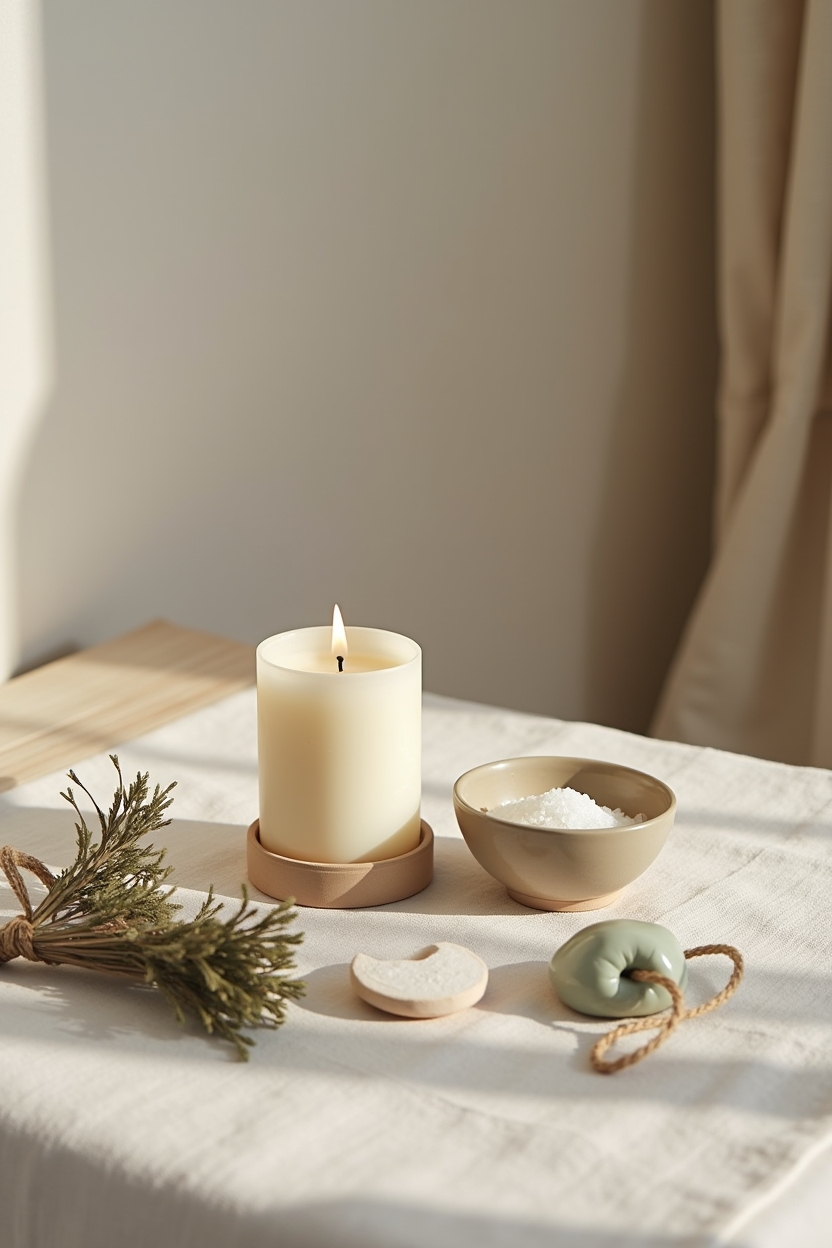
Communication & boundary tips for caretakers
Caretakers can be generous to a fault; learning to ask for care matters as much as offering it. Use language that is clear, kind, and specific — this reduces emotional guessing and keeps intimacy sustainable.
Practical phrases include: “I need a quiet hour after work to feel restored,” or “When you say X, I feel Y — can we try Z?” Pair these with non-defensive listening: reflect back what you heard, then respond.
A small boundary practice: schedule regular solo time and communicate it as a gift to the relationship, not an act of withdrawal.
- Use ‘I’ statements that name needs and feelings
- Schedule regular check-ins rather than hoping things will resolve themselves
- Practice asking for what you need as a routine (not a crisis-only behavior)
- Balance caretaking with explicit requests to receive support
Healing family lineage to change love patterns
Cancer often carries ancestral echoes — patterns learned in the home that shape how you give and expect care. Gentle ancestor work, family systems therapy, or journaling about core family stories can loosen repeating loops.
Simple practices include guided letters (unsent or read in therapy), mapping generational patterns, or creating small rituals to honor lineage while choosing different behaviors. The goal is compassion toward where patterns came from and clear agency in how you respond now.
These practices shift not only how you relate to partners but also how you accept your own needs as valid sources of fortune.
- Write an unsent letter to a family ancestor about love patterns you inherited
- Map recurring relational themes across generations
- Try brief family-systems journaling prompts before important conversations
- Explore therapy or group work focused on attachment and lineage
Final Thoughts
The Part of Fortune in Cancer for love points to a simple truth: emotional safety, domestic rituals, and the steady work of care are often where relationship luck lives. This placement invites you to treat home and heart as practices — small, repeated offerings that accumulate into a deep sense of belonging.
If this felt resonant, check your chart for the exact sign and house, pin a favorite line to your board, and explore related placements like the Moon or Venus to see how they refine the picture. These are gentle tools — use them to nourish your relationships, not to limit them.