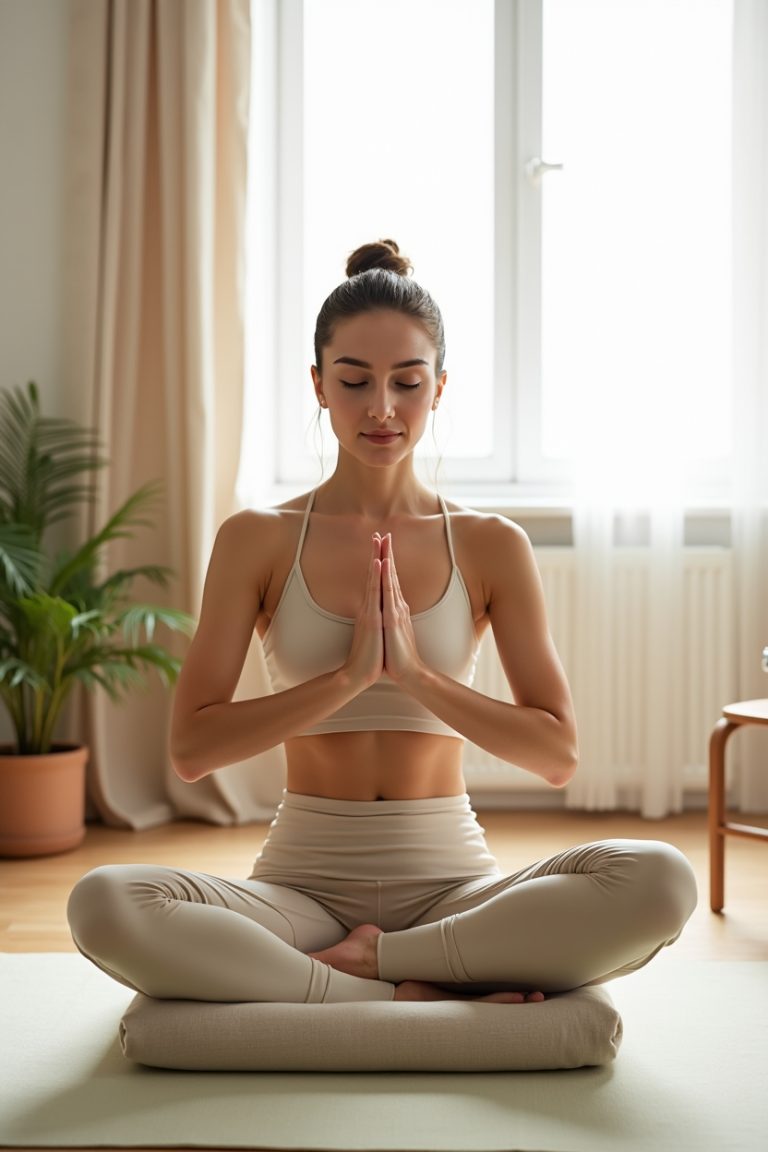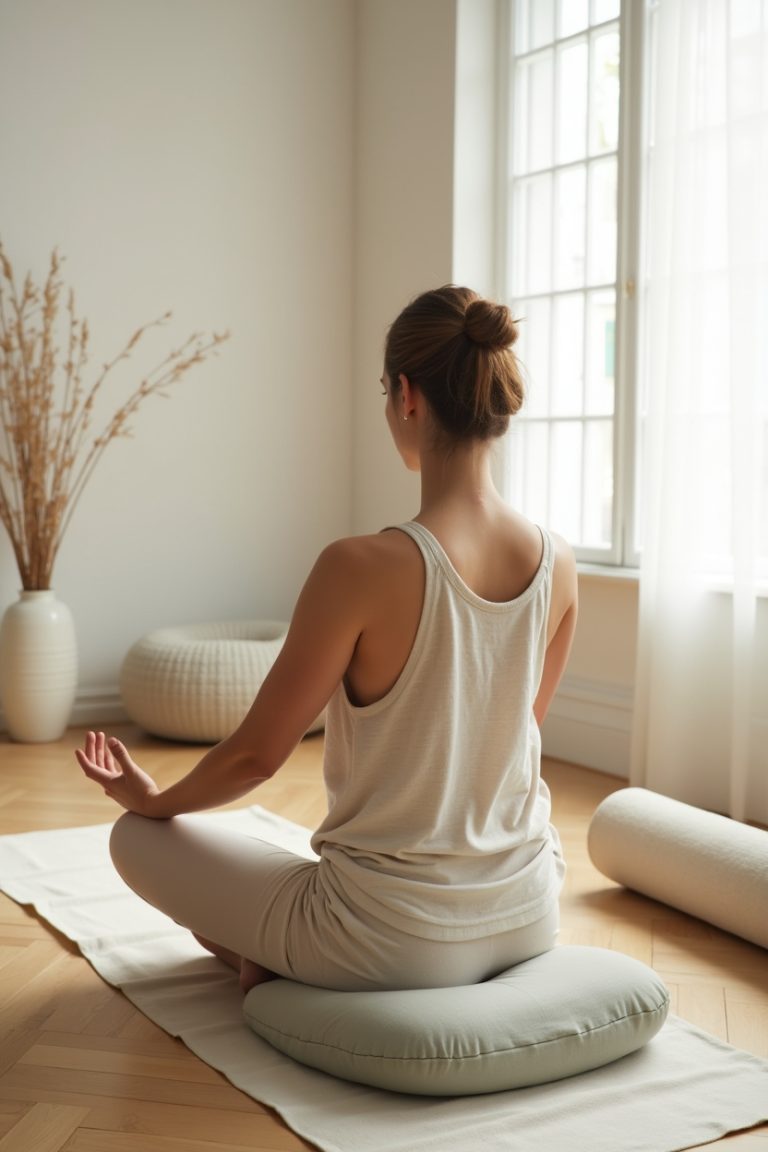
Hatha Yoga for Sleep for Healers: A Gentle Guide to Rest
Struggling to fall asleep after a long day of holding space for others can feel like a secret exhaustion — you give care all day and your nervous system stays wired long after the lights go out. “Hatha yoga for sleep for healers” names a gentle, intentional approach to evening practice that helps calm the body and mind so you can replenish.
This article is for healers, caregivers, therapists, energy workers, and empathic practitioners who want practical, gentle ways to restore sleep. I’ll define core hatha elements, explain the physiology behind why they work, offer specific poses and short sequences, and suggest ways to adapt practices for different schedules and sensitivities.
What makes sleep different for healers
Many caregivers and healers carry an extra sensitivity to others’ states — it’s part of your gift, and it changes how you fall and stay asleep. This section outlines the patterns that commonly interfere with restorative rest and sets up why a tailored hatha approach can be particularly helpful.
The empathic nervous system: sensitivity and sleep
Healers often have an empathic nervous system that notices emotional tone, subtle physical cues, and interpersonal stress more readily. That sensitivity can keep the sympathetic nervous system more active in the evening — thoughts replay client sessions, or your body stays primed to respond.
When that happens, sleep onset and continuity are disrupted. A tailored hatha pathway honors your sensitivity by focusing on practices that down-regulate arousal slowly — repeated, gentle cues to the vagal system rather than rapid, energizing movement. These small, steady signals help the body shift from external vigilance to internal rest.
Boundary fatigue and transition rituals
Boundaries between work and home can blur for those who care intensively — you may carry client stories, unfinished emotional material, or practical tasks into evening hours. Without clear transition rituals, the nervous system remains engaged and the body receives mixed signals about safety and rest.
Intentional transitions do two things: they create a psychological signal that the workday is closed, and they give the nervous system predictable sensory cues (movement, breath, layered relaxation) that encourage parasympathetic shift. Hatha practices are especially useful here because their physical and breath elements are concrete anchors you can use to close your day.

Hatha yoga basics relevant to sleep
Hatha yoga for sleep for healers brings together a few clear elements — gentle asana, breath practice, internal engagement, and restful relaxation — to create accessible, doseable practices you can use nightly.
Asana: slow, grounding postures
In this context, asana focuses on slow, static, and supported poses that invite the body to feel contained and safe. Moving into a gentle pose and holding for several breaths shifts proprioception — your sense of where you are in space — which tells the nervous system it’s safe to relax.
Choose poses that are comfortable and supported; avoid deep twists or intense binds near bedtime. The emphasis is on containment and surrender rather than stretching to a limit.
Pranayama: breath practices for down-regulation
Breath is one of the fastest levers we have to influence autonomic state. For evening practice, prioritize diaphragmatic breathing and an emphasis on a longer exhale — a simple pattern like a 4-count inhale and 6-count exhale, or a natural, slow exhale emphasis, encourages parasympathetic tone.
Begin with a few minutes of seated or supine breath awareness, then move into one gentle pranayama technique. Keep the ratio comfortable; practice should feel calming, not forced. These breath cues are portable — use them when you notice rumination or late-night wakefulness.
- Find a comfortable seated or reclined position with the belly soft and the chest relaxed.
- Inhale gently for a count of 4, feeling the belly expand.
- Exhale for a count of 6, allowing the belly to soften and the shoulders to release.
- Repeat for 3–8 rounds, staying within a range that feels soothing.
Savasana and guided relaxation
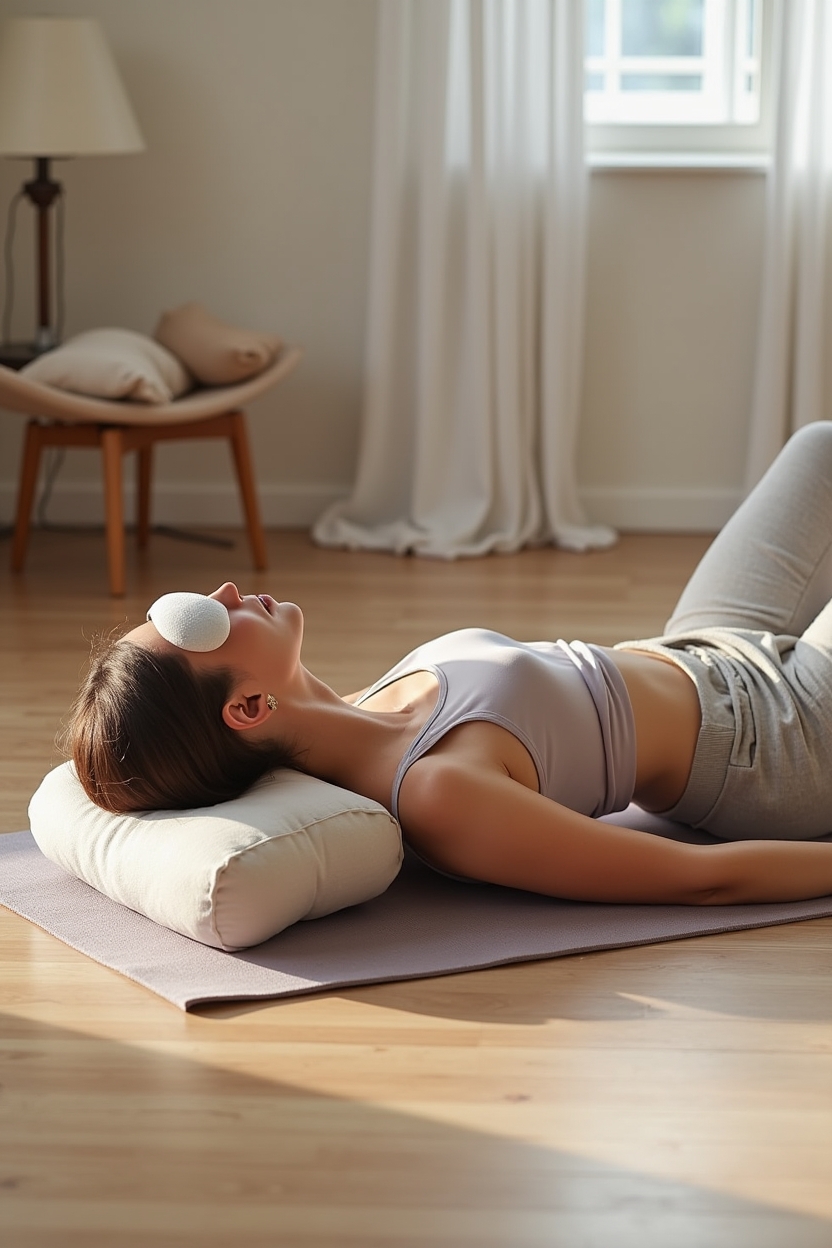
Savasana (the restorative final relaxation pose often used at the end of a yoga practice) and guided body scans are central to consolidating the nervous system’s downshift. Progressive relaxation or a short guided visualization helps the mind transition from processing to receiving rest.
A brief, five-minute body scan — moving attention slowly through the body while keeping the breath soft — is often enough to seal in the calming effects of the asana and pranayama. For healers, this is also a safe container to notice and let go of impressions from the day.
How hatha yoga for sleep for healers calms the body — physiology explained
Practices in hatha yoga influence core physiological systems that support sleep. Below are simple, science-informed explanations of the mechanisms so you understand how and why these practices help.
Vagal tone and safe social engagement
The vagus nerve is central to the body’s parasympathetic response — it’s often described in polyvagal terms as part of a system that signals safety. Slow exhalation, soft voice, soothing touch, and supported postures are sensory cues that nudge vagal tone toward a calmer state.
For healers, cultivating these cues through practice helps the system interpret the evening as a safe zone. Over time, consistent practice can make the nervous system more responsive to gentle down-regulation, so transitions become easier.
Breath, heart rate variability, and sleep onset
Heart rate variability (HRV) is a marker of autonomic flexibility — higher variability often reflects a system that can shift between engagement and rest. Slow, diaphragmatic breathing and extended exhalations tend to increase HRV in the short term, which supports the cascade of changes that favor sleep onset.
You don’t need devices to benefit — simple breath practices that feel calming can produce these shifts. The key is consistency and a gentle approach: a few minutes of breath work before lying down can alter the physiology that governs how quickly you fall asleep.
Key poses and mini-sequences for pre-sleep hatha
Below are practical poses and a short sequence you can use before bed. Each entry describes what it feels like, step-by-step setup, thoughtful modifications for sensitivity, and the sleep-supporting benefit. One sequence explicitly uses the phrase “hatha yoga for sleep for healers” so you can see a full bedtime ritual in action.
Reclined bound angle (Supta Baddha Konasana) — grounding opener
Reclined bound angle is a deeply supported hip opener that feels like a soft cradle for the pelvis and lower belly. Use a bolster under your spine and blocks under the knees if needed so the hips are supported and the breath can flow freely without effort.
Set up slowly and listen to sensations — this pose is about containment and surrender. Healers often find it soothing because it relaxes the diaphragm and invites an inward shift.
- Place a bolster lengthwise on your mat and sit with your hips against one end.
- Lie back so the bolster supports your spine; bring the soles of the feet together and let the knees fall open.
- Place blocks or folded blankets under the knees for support if there is any strain.
- Rest the hands on the belly or by your sides, soften the jaw, and breathe for 5–10 minutes.
Legs up the wall (Viparita Karani) — restorative inversion
Legs up the wall reverses the pull of gravity and can reduce physical tension in the legs and lower back while encouraging a calm internal state. It’s simple to set up and particularly helpful when your mind is busy — the gentle inversion feels like an accessible reset.
Time in this pose can be short and sweet; even five to ten minutes supports venous return and a sense of ease in the body.
- Sit sideways next to a wall and swing your legs up so your heels rest against the wall.
- Lie back on a folded blanket or bolster to support your lower back if needed.
- Allow the arms to rest open at your sides, soften the face, and breathe slowly for 5–12 minutes.
- To come out, bend the knees and roll gently to one side before sitting up.

Supported child’s pose with extended exhale — gentle surrender
Supported child’s pose (a gentle forward fold with bolsters or blankets under the torso) is a safe, contained position that encourages surrender. When combined with a focus on lengthening the exhale, it becomes a powerful way to tell the nervous system it’s time to soften.
This pose is adaptable for high sensitivity: keep the head supported and avoid compressive pressure on the chest if you notice emotional activation.
- Kneel on the mat with knees hips-width or wider for comfort.
- Place a bolster or folded blankets between the thighs and rest your torso forward on the support.
- Extend the arms forward or rest them alongside the body; soften the forehead on a block or blanket.
- Breathe with an intentional longer exhale for 6–8 breaths, staying as relaxed as possible for 2–5 minutes.
Sequence: hatha yoga for sleep for healers — a 10-minute bedtime flow
This short, gentle sequence brings together two poses, a simple breath practice, and a 5-minute relaxation to create a compact bedtime ritual. It’s designed to be easy to adapt and to help you transition from work mode into rest without stimulating the system.
Use the timing cues and modifications to suit your sensitivity — you can shorten or lengthen any element. The sequence is intentionally low-effort: slow transitions, supported shapes, and steady breath.
- 2 minutes — Diaphragmatic breath: seated or supine, 4-count inhale, 6-count exhale for 8 rounds.
- 3 minutes — Reclined bound angle (Supta Baddha Konasana) with bolster: rest and soften.
- 3 minutes — Legs up the wall (Viparita Karani) or supported child’s pose, choosing the position that feels most settling.
- 5 minutes — Savasana/body scan: lie supine with support under the knees if desired; guide attention slowly through the body.
Adapting practices to different healer needs
Healers aren’t a single type — night-shift workers, deeply empathic practitioners, and those who process difficult stories all need slightly different tools. The adaptations below help keep the practice safe and useful.
Night-shift or irregular schedules
If you work nights or irregular shifts, anchor your sleep window with ritual rather than clock time. A short, repeatable sequence before your chosen sleep period trains the nervous system to associate those cues with rest, regardless of daylight.
For nap hygiene, keep the environment cool and dark, limit caffeine several hours before your sleep window, and use the breath-and-support poses to create consistency. Small dosages of practice are better than sporadic long sessions for maintaining rhythm.
- Establish a 10–20 minute anchor ritual you can do before each sleep window.
- Use blackout curtains, eye masks, and gentle white noise to mimic nighttime conditions.
- Keep practices short (5–15 minutes) if sleep follows an irregular schedule.
When somatic practices bring up emotion
Somatic release can sometimes surface emotion — that’s a normal and human response, especially for people who hold others’ feelings. If strong emotion arises, practice titration: reduce intensity, bring in grounding sensations (feet on the floor, hands on the belly), and slow the breath.
If material feels overwhelming or persistent, pause your practice and consider seeking support from a supervisor, therapist, or somatic practitioner. Safety and containment are the priorities.
- Slow the practice and shorten holds.
- Use grounding prompts: press feet to the floor or hold a warm blanket.
- Pause and reach out for professional support if needed.
Community and professional boundaries
Small, consistent rituals can help you clear professional energy before entering home life. Breath, a short visualization, or a simple mudra provides a symbolic and physiological boundary — you are closing one role and entering another.
Examples are brief and portable: a 60-second breath practice, a hand-to-heart grounding, or a visualized cord-cutting that feels resonant. Rituals needn’t be elaborate to be effective.
- 3–5 deep, exhale-led breaths at the end of a work session.
- A short visualization of placing the day’s impressions into a box and closing it.
- A mudra such as Anjali (hands at heart) held for a breath or two.
Building a sustainable bedtime ritual with hatha
A sustainable ritual is simple, repeatable, and kind to your nervous system. Below is a sample week to help you build the habit and practical troubleshooting for common bumps in the road.
Sample week: small, cumulative practices
Aim for 5–15 minutes nightly and let the practice accumulate rather than expecting dramatic change overnight. Start with breath and one supported pose, and add a short relaxation on night two. Keep the tempo slow — consistency matters more than duration.
This approach also pairs well with restorative yoga for caregivers who may need extra physical support; think bolsters, blankets, and longer holds rather than intense movement. Over a week, these small practices decrease baseline arousal and make sleep more accessible.
- Night 1: 5 minutes diaphragmatic breathing + 5 minutes supported reclined bound angle.
- Night 2: Repeat Night 1 and add a 3-minute body scan in Savasana.
- Night 3–5: Maintain the sequence, increasing Savasana to 5 minutes if it feels helpful.
- Weekend: Practice the full 10–15 minute sequence and notice subtle shifts in ease.

Troubleshooting common issues
If a practice feels stimulating rather than calming, shorten it and focus on breath and support. Sometimes changing the timing — doing the practice a bit earlier or later — helps. Notice whether certain poses awaken the mind and favor those that consistently soothe.
If sleep doesn’t improve immediately, be patient and treat this as a long-game practice. Hatha tools build regulation over time; the nervous system often needs weeks of consistent cues to shift patterns.
- If stimulated: reduce movement, increase support, lengthen exhale.
- If emotional material surfaces: shorten practice and use grounding techniques.
- If no change after weeks: vary timing and consult a clinician for sleep evaluation.
Final Thoughts
Hatha yoga for sleep for healers isn’t a quick fix — it’s a compassionate framework that gives you simple, reliable signals to help your nervous system remember safety and rest. Small, gentle practices, repeated with kindness, can make evenings feel more contained and sleep more attainable.
If you care for others, give yourself permission to experiment slowly with these tools. Try the short sequence, notice what helps, and let the practice be a soft form of self-care rather than another task on your list.