How to improve sleep with glutes stretches: A Gentle Guide
Tossing and turning because your hips or butt feel tight can be quietly exhausting. Nighttime restlessness, a niggling ache when you roll over, or a restless pelvis all often point to tension in the glutes and surrounding tissues — and there are gentle, practical ways to help.
This guide shows how to improve sleep with glutes stretches using short bedside moves and a longer 15‑minute flow. It’s written for beginners and busy people — anyone who notices hip or glute tension at night — and maps when to practice, how to adapt for safety, and how to fold breathing and ritual into your wind‑down.
Why the glutes matter for sleep
Before we move, it’s helpful to understand why the glutes influence sleep. Tension here isn’t just a local problem — it changes how you rest, how your nervous system behaves, and how comfortable you feel turning or staying still in bed.
Anatomy in plain terms: glutes, hips, and the spine
Start with a simple map. The three main muscles you’ll hear about are the **gluteus maximus**, **gluteus medius**, and **gluteus minimus** — large muscles that stabilize the pelvis, assist hip movement, and help you sit and stand with ease. When they’re short, tight, or imbalanced they can tilt the pelvis, change your natural curve in the lower spine, and make lying down feel awkward.
Tension patterns often show up as sore spots when you sit, difficulty crossing a leg over the other, or a sense that one hip needs constant adjustment. Those patterns affect the tissues above and below — the lower back, sacroiliac area, and even the hamstrings — and can make finding a comfortable sleeping position harder.
Nervous-system ripple effects
Muscle tension isn’t only mechanical — it sends signals to your nervous system. When glutes are chronically tight, the body often responds with increased sympathetic tone (the ‘busy’ part of your nervous system). That background arousal can make falling asleep slower and wake you more easily during the night.
Conversely, releasing tense muscles gives the nervous system a cue that it’s safe to downregulate. Slow, steady breathing during stretches increases parasympathetic activity — the calming branch — helping heart rate and breathing settle. That’s why a few deliberate glute stretches before bed can feel like a small, practical reset for both body and nervous system.
Common bedtime complaints that point to glute tension
Listen to the common night complaints: difficulty turning in bed, a burning or numb feeling down the back of the leg (sciatica‑like sensations), hip pain when lying on one side, or frequent need to shift positions. These are often clues that the hips and glutes are involved.
If your sleep trouble comes with localized hip pain or a pattern that feels musculoskeletal — rather than general insomnia from stress or caffeine — focusing on glute stretches may help you find more comfortable rest and fewer disruptions through the night.
- Difficulty turning or finding a comfortable side
- Radiating or sciatica-like sensations
- Aching hip when lying down
- Frequent position changes
When and how often to practice
A little practice goes a long way. The key is consistent, gentle work that fits your life — short bedside routines some nights, longer mobility on others. Below are practical guides to timing, frequency, and safety.
Best timing: evening wind-down vs. daytime mobility work
Evening glute stretches are excellent for signaling the body that it’s time to settle. A 3–5 minute bedside routine calms the nervous system, eases tight spots, and makes shifting to sleep smoother.
Daytime mobility sessions — 10–20 minutes — allow you to work on deeper releases and strength, improving hip mechanics so you’re less tense at night. If you can do both, the evening routine is about downregulation and comfort; daytime practice is about long‑term change.
- Evening: 3–5 minute calm-down stretches before bed
- Daytime: 15–20 minute mobility on off-evening nights
- Frequency: 3–5 times per week for best effect

Contraindications and when to adapt
Be cautious if you have recent hip or pelvic surgery, acute joint inflammation, or sharp worsening pain — these are signs to pause and consult a clinician. If a stretch causes sharp, shooting pain or numbness that increases, stop and see a physical therapist or physician.
Adaptations are simple: reduce the range, use props (pillows, rolled towels), or swap a hold for movement. Pain that’s clearly neurological or sudden should be evaluated rather than stretched into.
How long each session should be
Short, focused sessions work wonders. For bedtime, a 3–5 minute mini routine often provides immediate comfort without stimulating you. On days you have more time, a 15–20 minute fuller session allows for longer holds and deeper release.
If you’re very busy, aim for the mini routine nightly and one longer session midweek. Consistency matters more than duration — small daily habits often outperform occasional long sessions.
Quick bedtime routine: how to improve sleep with glutes stretches
This compact, gentle sequence is designed to be done on your bed or a soft mat. Move slowly, breathe evenly, and prioritize comfort — the goal is release and calm, not depth.
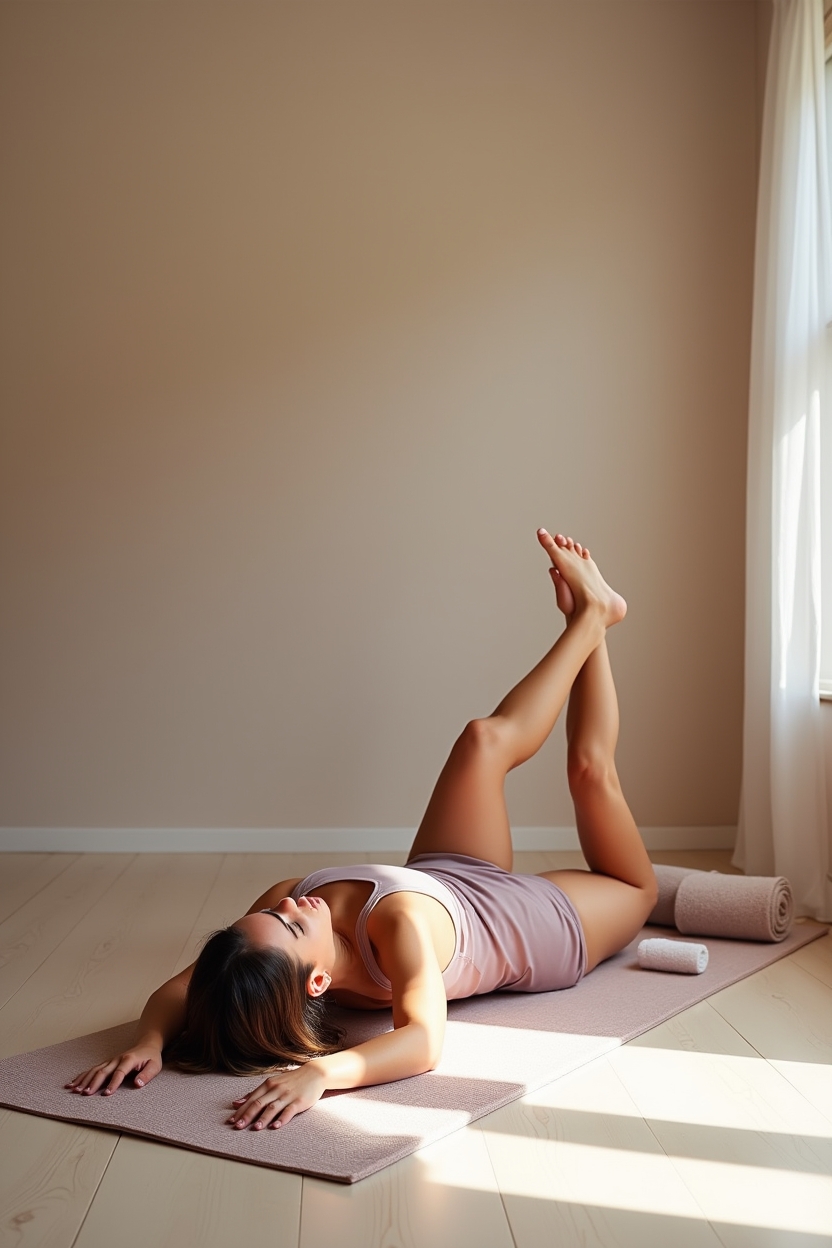
Step 1 — Reclined figure-four (1–2 minutes each side)
Why: Reclined figure‑four targets deep external rotators of the hip (including the piriformis), which commonly hold tension that radiates down the leg. The position encourages softening in the buttock while allowing you to breathe into the area.
How: Lie on your back with knees bent and feet on the bed. Cross the right ankle over the left thigh just above the knee. Gently draw the left knee toward your chest — you’ll feel a stretch in the right glute. Keep the neck soft, breathe slowly for 1–2 minutes, then switch sides. Use a strap or towel around the left thigh if you need reach support.
Step 2 — Seated cross-legged glute opener (90 seconds each side)
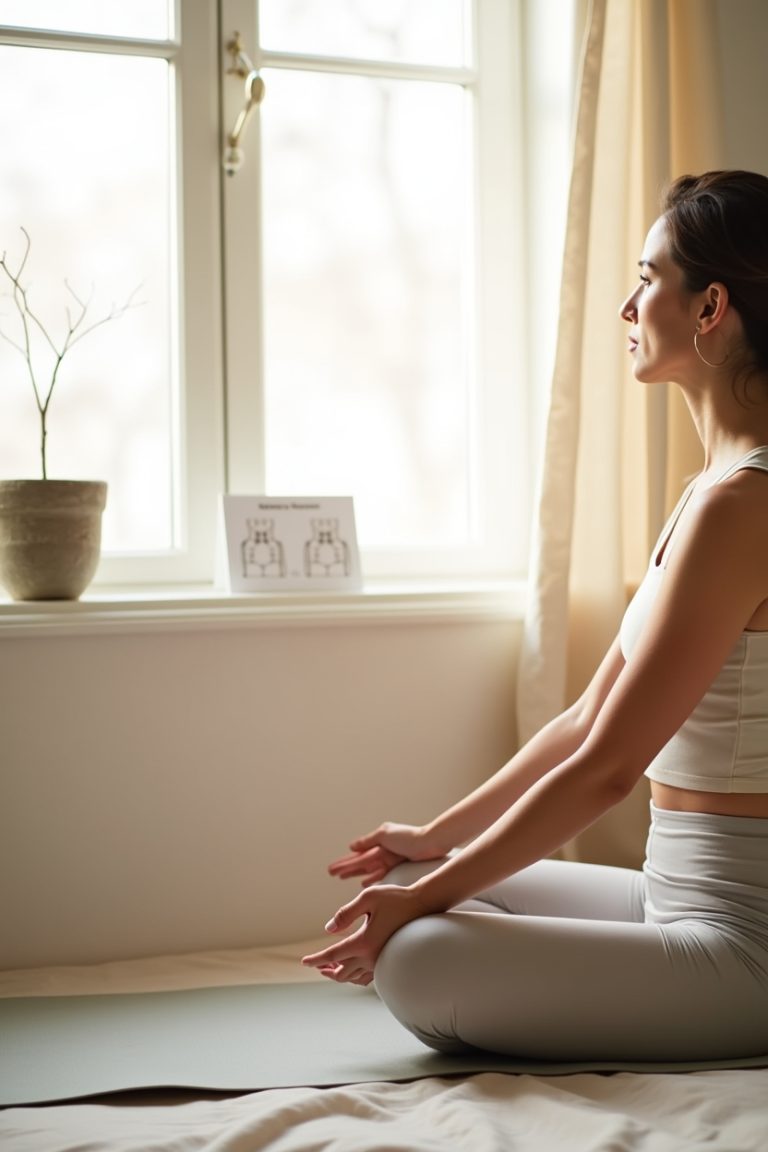
Why: This variation creates a mild forward fold that lengthens the sacrum and posterior hip, easing tension while keeping the spine rounded and supported — helpful if you feel tight sitting in bed.
How: Sit near the edge of your bed with a cushion under your hips if needed. Cross your right ankle over your left thigh and keep the right foot flexed. Hinge gently at the hips and fold forward from the pelvis — only as far as comfortable. Maintain steady breath for about 90 seconds, then switch sides. Place hands on a pillow for support if your hips are very tight.
Step 3 — Supine hamstring + glute combo (use strap if needed)
Why: Drawing the knee toward the chest while lengthening the hamstring reduces compensatory tension in the lower back and calms the posterior chain, providing a balanced release before sleep.
How: Lie flat and loop a strap or towel around the arch of your right foot. Keep the knee soft and lift the leg toward you, hugging the knee briefly to the chest, then extend the leg toward the ceiling until you feel a comfortable stretch along the hamstring. Alternate gentle knee draws and holds of 30–60 seconds. Breathe slowly, and repeat on the other side.
Step 4 — Gentle glute foam-roll alternative (or self-massage)
Why: Direct, gentle pressure releases myofascial tightness and brings blood to the area — a quick way to ease stubborn localized knots before bed.
How: If you have a soft foam roller, lie on your side and roll the outer glute area slowly for 30–60 seconds, avoiding sharp pain. As an alternative, sit and press a tennis ball or rolled towel into tender spots for 30 seconds, inhaling to soften and exhaling to allow the tissue to release. Keep movements slow and stop if sensations increase.
Closing — 1–2 minutes of supine belly breathing
Why: Integrating breath after movement helps consolidate the calming effects — it signals safety to your nervous system and prepares you to drift into sleep.
How: Lie on your back with hands on your belly. Inhale for a count of four, feeling the belly rise; exhale for a count of six, feeling the belly soften. Repeat for 1–2 minutes, allowing thoughts to pass without engagement. Keep the rhythm gentle — this is a transition into rest.
A gentle 15-minute sequence for deeper release
When you have a bit more time, this progressive flow builds on the quick routine with mobility, longer holds, and careful transitions to encourage deeper, longer-lasting release.
Opening mobility and pelvic tilts
Why: Creating pelvic neutrality and gentle movement prepares the tissues so deeper glute work is safer and more effective. Pelvic tilts also soothe the nervous system through rhythmic motion.
How: Lie on your back with knees bent. Slowly tilt the pelvis toward the floor to flatten the lower back, then tilt back to create a comfortable arch. Repeat 8–12 times with long breaths. Follow with knee-falls (knees dropped side to side) to ease the lower back before moving into focused glute stretches.
Deeper pigeon variation with props
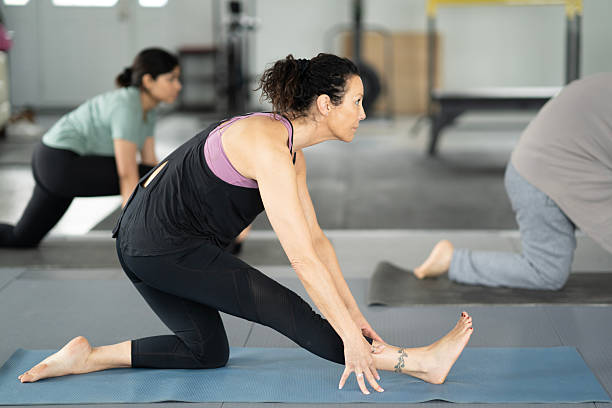
Why: Pigeon stretches the glute and hip capsule more deeply than reclined variations — with props it becomes accessible and supportive, allowing longer holds that soothe tension.
How: From all fours, bring the right knee forward and place it behind your right wrist; slide the left leg back. Keep the front shin angled comfortably — use a blanket or block under the right hip as needed. If full forward fold is uncomfortable, remain upright and breathe into the stretch for 1–2 minutes, then switch sides. Move slowly and avoid pinching at the front of the hip.
Layered holds and slow transitions
Why: Longer holds (90 seconds to 2 minutes) encourage a parasympathetic response and allow deeper tissues to soften. Slow transitions between poses maintain calm and reduce reflexive guarding.
How: After your deeper stretch, rest in a supported child’s pose or supine with knees bent. Transition between holds with slow, mindful movements — inhale to prepare, exhale to soften into the next position. Respect any sharp feedback and back off as needed.
Troubleshooting and making it your own
No two bodies are the same. Below are practical adjustments for common obstacles, a true 3‑minute mini‑flow you can rely on, and safe alternatives for special populations.
If you feel pain instead of release
Pain that is sharp, electric, or increasing is a sign to stop. Productive sensations are generally dull, easing over time, and paired with easier breathing. If a sensation worsens, reduce the intensity, shorten the hold, or switch to a milder movement.
Regressions include using more props, moving from a hold to a gentle rhythmic movement, or choosing a supported supine variation. If pain persists or intensifies, consult a physical therapist to rule out structural concerns.
How to improve sleep with glutes stretches: 3-minute mini-flow
Why: When time is limited, a focused mini-flow can still cue the body to downregulate and release key tension points that disrupt sleep.
How: Follow this precise, timed sequence on the bed:
– 0:00–0:60 Reclined figure‑four: 30 seconds each side with soft, even breathing.
– 1:00–2:00 Supine hamstring + glute draw-in: 30 seconds each side, using a towel if needed.
– 2:00–3:00 Supine belly breaths: 1 minute of slow 4:6 breathing to settle. Repeat nightly and notice how small consistency compounds.
- 0:00–0:60 Reclined figure‑four — 30s each side
- 1:00–2:00 Supine hamstring + knee draw — 30s each side
- 2:00–3:00 Supine belly breathing — 60s
Adapting for different levels (pregnancy, older adults)
Why: Pregnancy, age, and mobility differences require thoughtful adaptations to protect comfort and safety while still releasing tension.
How: For pregnancy, avoid long supine holds after the first trimester — favor side-lying figure‑four with support between the knees. Older adults often benefit from higher seating, extra cushioning, and shorter holds with more repetitions. Use chairs, walls, or bolsters as props and prioritize slow movements with extra breath cues.
Next steps: integrating stretch work into a sleep-friendly routine
Stretching works best when paired with calming rituals. Below are ways to weave glute stretches into a broader evening practice and how to notice meaningful changes.
Pairing with breathwork and low-light rituals
Combine your glute routine with simple, low‑light habits to strengthen the sleep signal — dim lamps, silence screens 30–60 minutes before bed, and use a consistent breathing practice after stretching. A short 10–20 minute pre‑bed ritual could be: low lighting, gentle stretch (3–15 minutes), 2–3 minutes of breathwork, and a quiet moment to set an intention for rest.
This small ritual approach helps your nervous system learn that these cues mean rest and recovery, making your stretches more effective over time. You might also try soft music or a warm shower beforehand if that helps you relax.

How to notice improvements and when to seek help
Track simple markers: fewer shifts during the night, falling asleep faster, reduced hip pain on waking, and a calmer morning mood. Keep a short sleep log for two weeks to observe patterns and improvements. Small gains — even one less position change each night — are meaningful.
If pain persists, increases, or you experience significant numbness, seek evaluation from a physical therapist or medical professional. For persistent sleep disorders unrelated to musculoskeletal tension, consult a sleep specialist.
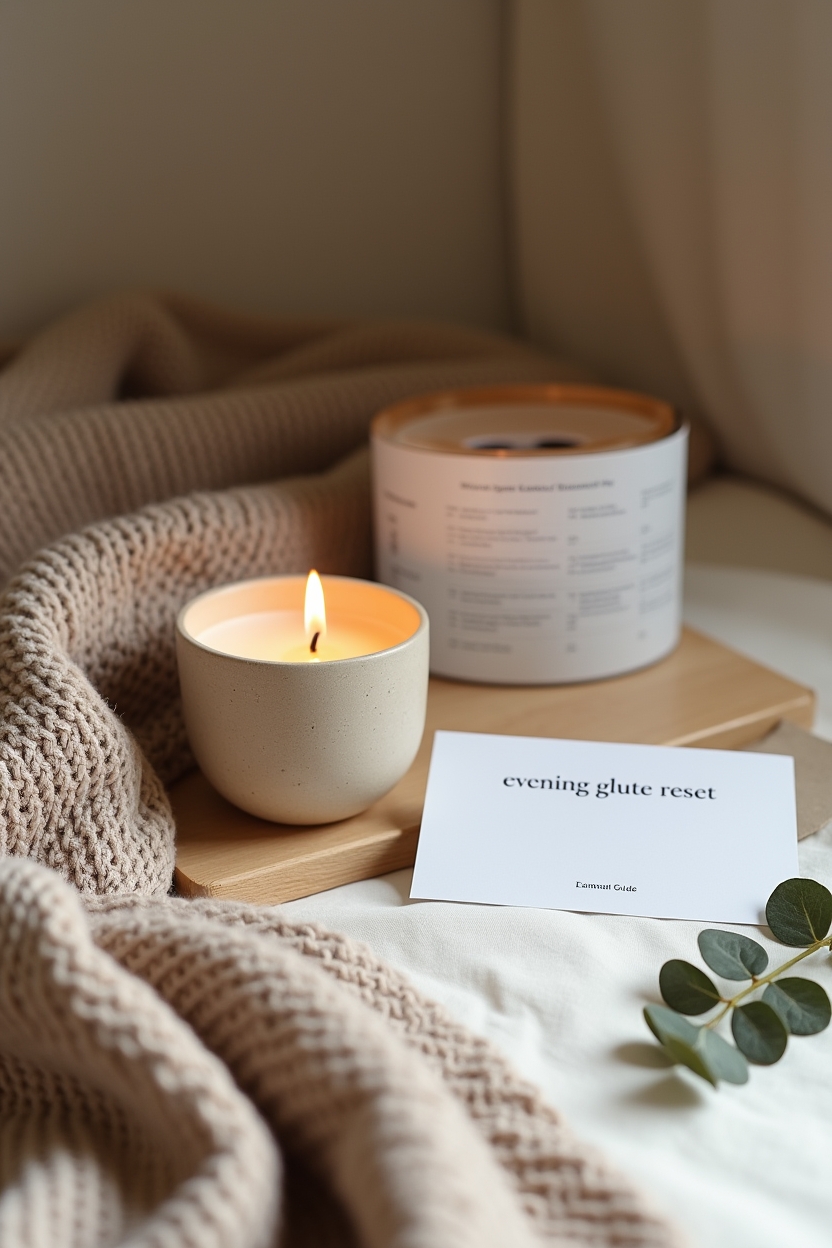
Printable: Bedtime Glute-Stretch Sequence
Download a one‑page printable with both the 3‑minute mini‑flow and the 15‑minute sequence, simple cues, and timing so you can keep it by your bed. Use it as a nightly prompt to build consistency and gentle progress.
Get the printable
Final Thoughts
Consistent, gentle glute work can reduce tightness, ease night discomfort, and support calmer sleep — and small daily practices add up. Try the bedside mini‑flow when you’re short on time, lean into the 15‑minute sequence when you can, and be patient as your body learns a new, more relaxed pattern.
If you need to, consult a clinician for persistent pain. Keep experimenting gently — how to improve sleep with glutes stretches is not a single trick but a practice that, over time, helps you rest with more ease.