What Is Vinyasa Yoga: Understanding Breath‑Linked Flow
If you’ve wondered “what is vinyasa yoga” you’re not alone — it’s one of the first questions students ask when they see a flowing class description. In simple terms, vinyasa is a practice that coordinates breath with movement so that each inhale and exhale becomes a cue and a rhythm for the body.
This article will gently map the lineage and philosophy behind vinyasa, explain the mechanics of breath‑linked movement, outline common styles and how to choose a class or teacher, and offer a short, safe mini practice you can try at home. Read as curiosity, not obligation — you already bring the only requirement: your willingness to breathe and move with attention.
Origins and Philosophy: Where Vinyasa Comes From
Vinyasa didn’t arrive fully formed — it evolved from classical practices, teacher lineages, and modern interpretations. At heart is a philosophical concept: vinyasa as a way of placing or arranging movement with attention, not just a sequence of poses.
Vinyasa in Sanskrit and Tradition
The Sanskrit word vinyasa literally suggests “to place in a special way” — an intentional sequencing that links posture, breath, and awareness. Historically, practices described as vinyasa appear in classical yoga literature as methods for arranging breath and movement to support concentration and energetic flow.
Modern vinyasa draws from multiple lineages, including influences from krama systems (step‑by‑step approaches), the disciplined boat of Ashtanga’s sequences, and teacher innovations that emphasize fluid transitions. When you study the roots you see why debates like vinyasa vs ashtanga arise: both value breath and flow, but they differ in structure, pacing, and lineage emphasis. Understanding that background helps you choose a class that fits your intention.
How Historical Lineage Shapes Today’s Classes
Teachers bring history into the room through sequencing, cueing, and what they prioritize — whether steadiness of breath, athleticism, or meditative attention. A lineage that emphasizes fixed sequences tends to offer predictability; newer, fusion‑influenced teachers may favor creative transitions and varied peak poses.
Why does that matter? Because lineage informs safety, pacing, and the kind of transformation you can expect. If a teacher trained in traditional Mysore or Ashtanga methods, you’ll notice disciplined breath cues and a progressive approach. If they come from a contemporary vinyasa tradition, their classes might prioritize creative sequencing and thematic exploration. Knowing this helps you match a teacher to your needs.
What Is Vinyasa Yoga: Breath‑Linked Movement Explained
At its most practical — and answerable in plain language — “what is vinyasa yoga”? It’s a practice that uses your breath as the organizing principle for movement. Each inhale and exhale becomes a cue to move in a particular way, creating a flowing, attentive practice.
The Breath‑to‑Movement Mapping
A simple rule of thumb in many vinyasa classes is: inhale to open or extend; exhale to fold or contract. That mapping gives sequence continuity — you don’t stop between poses, you travel through them on breath. The feel is like stepping on a moving walkway where breath is the rhythm that keeps you in motion.
Use an analogy: imagine rowing a boat. Each inhale is the reach forward; each exhale is the pull. The repeated rhythm produces momentum, warmth, and continuity. Practically, when you learn which kinds of movements pair with inhalations versus exhalations, you gain a consistent internal cue that reduces mental chatter and helps you move more safely.
What Happens Physiologically When Breath Guides Movement
Coordinating breath and movement shapes the nervous system. Slow, steady inhalations and exhalations support a parasympathetic tilt — greater calm and focus — while rhythmic, rhythmic linking raises internal heat and engages sympathetic energy in a balanced way. Vinyasa often encourages diaphragmatic breathing and a steady ujjayi‑style breath (soft audible back‑of‑throat sound) to maintain rhythm and build internal warmth.
When breath guides movement you also improve proprioception — the body’s sense of itself in space — because attention continuously returns to the inhale–exhale cycle. That continuity quiets scattered thinking, improves movement quality, and can lower stress markers when practiced regularly.
Common Sequencing Devices in Vinyasa Classes
Teachers use modular devices to build a class: sun salutations (surya namaskar) as warmups, linking transitions like chaturanga to upward dog, and peak‑pose progressions that gather smaller movements toward a larger shape. These devices give class architecture so you move with intention rather than random flow.
For example, a teacher might use several rounds of Surya Namaskar A to generate heat, introduce standing sequences that expand on those movements, then construct a peak pose such as crow or eka pada during the middle portion. The cool‑down reverses the intensity. Understanding these devices helps you anticipate what a class will feel like and why sequencing choices matter for safety and benefit.
Styles and Variations: From Gentle Flow to Power Vinyasa
Vinyasa spans a broad spectrum — from restorative, slow breath‑centered classes to vigorous power flows. Recognizing where a class sits on that spectrum helps you choose wisely and practice safely.
Slow/Restorative Vinyasa vs Fast/Powerful Flow
A slow, restorative vinyasa often emphasizes long inhales and exhales, small, intentional transitions, and generous rest between sequences. Breath is coaxing presence rather than driving effort — the pace invites deep integration and is very approachable for those returning from injury or seeking a meditative movement.
By contrast, a power vinyasa class increases tempo, adds challenging transitions, and expects continuous movement that raises the heart rate. Breath remains the anchor, but it’s used to support greater physical intensity. Choose the pace that matches your goals: presence and restoration, or cardiovascular and muscular challenge.
What Is Vinyasa Yoga Like in a Hot/Heated Class?
When the room is heated, the physical sensations change — sweat, increased heart rate, and faster fatigue. In heated vinyasa, breath pacing becomes crucial: slower, deliberate breathing prevents panic, stabilizes the nervous system, and helps maintain focus when the body is working harder.
If you try a heated vinyasa class, arrive hydrated, pace yourself, and use the breath as the governor for intensity. The same rule — inhale to extend, exhale to fold — still applies, but you’ll likely take more frequent rests and adapt poses to avoid overheating or strain.
Teacher‑Led Sequencing vs Mysore‑Style Freedom
Teacher‑led sequencing offers structure: guided cues, a predetermined sequence, and shared class rhythm. This is excellent if you want to be held by a clear container and enjoy communal energy. Breath cues are often general and timed to the music or the teacher’s pacing.
Mysore‑style or self‑practice formats emphasize individual pacing within a shared space. Students move through parts of a sequence at their own tempo while a teacher offers personalized adjustments. Breath guidance adapts to each student — it’s intimate and tailored, which can deepen personal embodiment and self‑regulation.
Who Vinyasa Suits: Matching Temperament, Body, and Intention
Not every style of vinyasa suits every person. Consider your temperament, physical condition, and what you hope to gain — fitness, presence, flexibility, or stress relief — and match those to the style and teacher.
For the Active, Meditative, and Curious Student
Vinyasa often suits people who enjoy rhythm and movement — those who like to be physically engaged while practicing presence. If you appreciate a meditative challenge — maintaining breath and attention during dynamic transitions — vinyasa gives both the physical and contemplative payoff.
It’s also fertile ground for curiosity: you can explore alignment, breath mechanics, and sequencing themes. If you’re energized by variety and growth, vinyasa can be a lasting practice that adapts as your needs shift.
Contraindications and When to Modify
There are sensible situations to modify or choose alternatives to typical vinyasa sequences: acute injuries, certain stages of pregnancy, uncontrolled hypertension, or conditions where rapid positional changes cause discomfort. The dynamic nature of vinyasa — many transitions and weight‑bearing moves — can stress vulnerable joints or tissues.
When to modify: skip deep twists if your spine is inflamed; avoid full inversions during early pregnancy or if you have inner‑ear issues; choose gentler pacing if you have cardiovascular concerns. Speak with a teacher before class and request modifications. Alternatives such as slow flow, restorative yoga, or a teacher who emphasizes therapeutic sequencing may be safer and equally nourishing.
- Recent or unstable joint injuries — favor restorative or therapeutic classes
- Pregnancy — avoid sustained inversions and intense abdominal compression; seek prenatal‑trained teachers
- High or uncontrolled blood pressure — avoid rapid breath retention and extreme heat
- Vertigo or inner‑ear conditions — limit rapid positional changes and inversions
How Breath Practice Makes Vinyasa Accessible
Breath is the simplest tool to scale any vinyasa practice. Slowing the breath lowers the intensity automatically; deepening diaphragmatic breathing increases stability; and returning to a steady count (for example, three counts in, three counts out) re‑anchors scattered attention.
Practically, if a transition feels too quick, slow your breath and fewer movements per breath. If a pose feels intense, take extra breaths there or step back to a preparatory variation. In this way breath creates an accessible, responsive way to personalize the practice without losing the flow.
Class‑Picking Guide: What to Look for in a Vinyasa Teacher
Choosing a class or teacher is as much about how they teach as what they teach. Look for clear breath cueing, safety in sequencing, and an inclusive approach to variations.
Questions to Ask Before You Book
Before you sign up, a few simple questions can reveal whether a class matches your needs: Does the teacher emphasize breath cues? Will they offer alternatives for common injuries? Is the pace consistent with your stamina and experience level? These queries create shared expectations.
Asking ahead also opens the door to accommodation. A responsive teacher will welcome questions and describe how they adapt sequences. If you’re new to vinyasa, ask about class structure so you can anticipate the intensity and plan your energy accordingly.
- How do you cue breath during class?
- Is this class suitable for beginners or those with injuries?
- How large are classes and will there be hands‑on assists?
- Do you offer variations for common problems like wrist or lower‑back pain?
Red Flags and Nice‑To‑Haves in Cueing
Red flags include teachers who prioritize advanced poses without building adequate preparation, cueing that pushes breath retention or strain, or inconsistent instructions that create confusion. Unsafe sequencing — for example, jumping into deep backbends without warmup — warrants caution.
Nice‑to‑haves are consistent breath cues, clear alignment language, and invitations to modify. A skilled vinyasa teacher uses breath as a guiding thread and offers scaffolding — small steps to reach a peak pose — so the practice remains accessible and safe for many bodies.
- Red flag: Encouragement of breath‑holding or forced breath patterns
- Red flag: Rushed transitions with no preparatory poses
- Nice‑to‑have: Clear inhale/exhale cues linked to movement
- Nice‑to‑have: Options offered for common limitations
Mini Practice: A Gentle Breath‑Linked Sequence to Try
This short practice is designed to be gentle and accessible — a reminder that what is vinyasa yoga can be calm, slow, and restorative. Move only to the degree that feels wise; use the breath to guide pace and intensity.
Step 1 — Centering Breath (3–5 rounds)
Why: Centering breath anchors attention and creates a steady baseline for movement. Starting here calms the nervous system and clarifies each inhale and exhale as cues you’ll use throughout the sequence.
How: Sit comfortably or lie on your back. Inhale slowly for a count of four, pause briefly if that feels natural, and exhale for a count of four. Repeat 3–5 times, allowing the breath to deepen into the belly. Notice where attention goes and gently return it to the breath when distracted.
Step 2 — Cat/Cow Flow with Breath
Why: Cat/cow warms the spine and teaches synchronization: inhale to open, exhale to round. It’s foundational for feeling how breath maps to movement.
How: Come to hands and knees. Inhale as you lift your sit bones and chest, letting the belly lower (cow). Exhale as you round the spine and draw the navel up (cat). Move slowly with the breath for 6–8 rounds, pausing between rounds to notice any change in ease or sensation.
Step 3 — Sun Salutation A (slow, breath‑linked)
Why: Sun Salutation A is a compact sequence that introduces linked transitions and helps you feel how breath carries you through standing and forward‑folding shapes.
How: From standing, inhale to sweep arms up, exhale to fold forward. Inhale to lift halfway, exhale to step back to plank and lower to knees or full chaturanga depending on capacity. Inhale to lift chest (cobra or upward dog), exhale to downward dog. Take 3–5 slow rounds, matching each movement to one breath so the sequence becomes a single, flowing arc.
Step 4 — Standing Flow to Forward Fold
Why: This portion builds mild heat and strengthens the connection between standing balance and forward‑fold release. It also models how to approach more dynamic transitions with steady breath.
How: From downward dog, inhale to lift the right leg, exhale step between the hands and rise to a gentle lunge on the inhale and exhale to a forward fold. Repeat on the other side. Do three rounds on each side at a mild pace, keeping inhale for length and exhale for release. Use chair or block supports if balance is tentative.
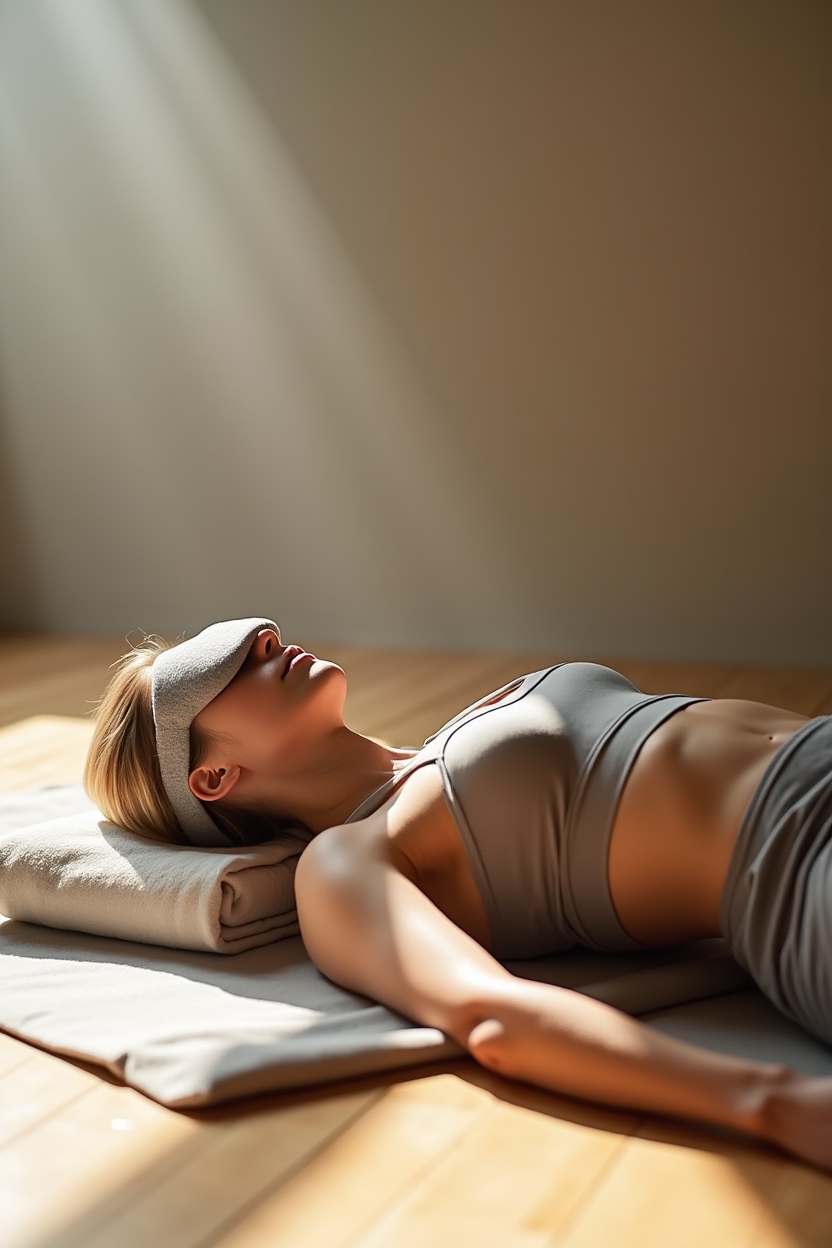
Step 5 — Closing Breath and Savasana
Why: The closing breath integrates the practice — it calms the nervous system and allows the physical benefits to settle into the body and mind.
How: Lie on your back for 2–4 minutes. Return to a gentle counted breath or natural breathing. Optionally guide yourself through a 4‑count inhale and 6‑count exhale to encourage relaxation. Rest fully and rise slowly when ready, carrying the steady breath into your next steps of the day.
Final Thoughts
In short: what is vinyasa yoga? It’s a breath‑linked, flowing movement practice where inhale and exhale become the organizing thread for pose, transition, and attention. That simplicity—breath first, movement second—makes vinyasa adaptable: it can be calming, strengthening, or meditative depending on pacing and intention.
If you’re curious, try the mini practice above, read a classic lineage text to deepen historical context, or seek a teacher who names breath as the primary guide. Move with curiosity and kindness — the breath will show you the pace that serves you.