How to improve sleep with calves stretches: a practical guide
Restless nights and leg tension can quietly steal your sleep. If you wake with tight calves, nighttime leg cramps, or a sense that your lower legs are holding on to the day, learning how to improve sleep with calves stretches can make a noticeable difference.
This guide collects safe, gentle calf-focused practices — from quick warm-ups to a short bedtime sequence — plus practical troubleshooting and habit tips so you can build an evening routine that helps you fall and stay asleep more easily.
Why the calves matter for sleep
Tension in the calves isn’t only a comfort issue — it can ripple into circulation, nervous-system arousal, and the tiny awakenings that interrupt deep rest. Understanding a little about how the calves connect to sleep makes your practice feel meaningful, not random.
Muscle tension, circulation, and nighttime cramps
Calf muscles work all day to support walking and standing, and at night your circulatory and recovery systems shift to repair mode. If a calf is chronically tight it can reduce local blood flow and make muscle fibers more irritable, increasing the chance of cramps or restless sensations.
Those cramps or repeated micro-awakenings may be brief, but they add up — fragmenting REM and deep sleep. Gentle stretching and mobility before bed can help restore better circulation and ease the muscle tone so the tissue isn’t primed to spasm while you’re asleep.
How nervous-system arousal shows up in the body
Stress and a persistent sympathetic (fight-or-flight) bias often live in the body as held tension. The calves are a common place to hold that low-grade guarding — especially if you’ve been standing a lot, anxious, or dealing with late-day caffeine or screen time.
When the nervous system is slightly activated, you may notice a faster heart rate, shallow breathing, or an internal restlessness in the legs. Calf-focused practices — slow stretches, paced breathing, and supported holds — encourage a parasympathetic (rest-and-digest) shift that helps you fall and stay asleep.
How to prepare: what to do before you stretch
Preparation makes calf work safer and more effective. These few simple steps set the tone — physically and mentally — so your stretches help rather than provoke the tissue.
Set a calm environment and timing
Aim to practice about 15–45 minutes before your planned bedtime so the parasympathetic effects have time to settle in. Dim the lights, lower noise, and choose a comfortable temperature — small environmental cues tell your nervous system this is wind-down time.
Use a slow, steady breath as you move: inhale for a comfortable count, exhale longer. Slowing the exhale subtly signals safety and helps calves soften as you stretch.
- Practice 15–45 minutes before bed
- Dim lights and reduce noise
- Use a slow breath rhythm — longer exhales

Quick warm-up and mobility checks
A brief warm-up raises local temperature and reduces the chance of a cramp during stretching. Spend 1–2 minutes doing ankle circles, toe wiggles, and marching in place to bring gentle blood flow into the lower legs.
Check mobility with a slow calf raise and lowering to notice any stiffness or imbalance. If one side feels much tighter, spend a little extra time there but keep intensity low.
- Ankle circles: 10 slow circles each direction per ankle
- Toe wiggles: 20 seconds per foot to engage small muscles
- March in place: 30–60 seconds to increase circulation
Safety notes and when to avoid deep stretching
Deep or aggressive stretching is not always appropriate. Avoid forceful calf stretches if you have recent deep vein thrombosis, acute swelling, uncontrolled hypertension, or a new injury. If you feel sharp or shooting pain, stop and choose a gentler option like massage or heat.
When in doubt, opt for supportive, passive holds (bolster/strap) rather than intense lengthening. A brief check-in with a clinician is wise if you have vascular concerns or neuropathy.
Calf stretches to improve sleep with calves stretches — foundational poses
Below are gentle, accessible calf stretches you can use in the evening. Each entry gives clear steps, a breathing cue, suggested timing, and an easy modification so you can tailor it to your body.
How to improve sleep with calves stretches — Standing wall calf stretch
This straightforward stretch is easy to adjust for intensity and can be done beside a wall or sturdy surface. Keep your spine long and soften your shoulders as you press the back heel down — the aim is length and ease, not pain.
Breathe slowly as you hold, letting the exhale invite a subtle release. Hold for 30–60 seconds per side and repeat once if it feels good.
- Stand facing a wall; place hands on the wall at chest height.
- Step one foot back, keeping that heel pressing toward the floor.
- Micro-bend the front knee to focus the stretch on the back calf.
- Hold 30–60 seconds, breathing slowly; switch sides.
Seated towel calf stretch (hands-on, gentle)
This seated option is excellent for evenings because it’s calming and easy to control. Sit tall, loop a towel or strap around the ball of the foot, and draw the toes gently toward you — avoid forcing the ankle into position.
Use a breathing cue of smooth inhales and longer exhales, coordinating a gentle inching of the toe toward you on the exhale. Hold each side 30–60 seconds; this is especially good if you prefer staying close to bed.
- Sit with one leg extended and a towel looped around the ball of the foot.
- Keep the knee soft and draw the toes toward you slowly.
- Breathe slowly; hold 30–60 seconds and release gently.
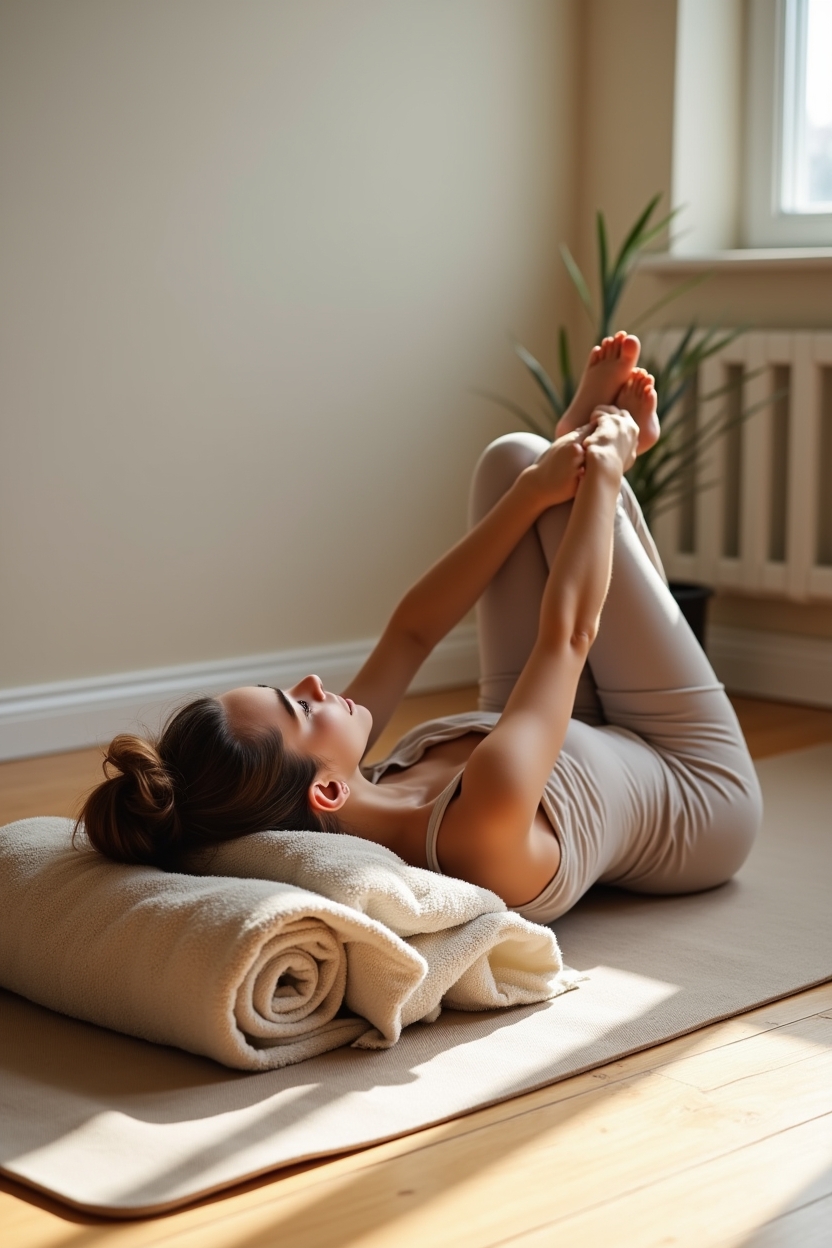
Reclined calf stretch with bolster (restorative)
For deep relaxation, recline and use a bolster or folded blanket under the knee while a strap supports the foot. This supported position invites the nervous system to rest — you can stay longer than in active stretches.
Aim for 2–5 minutes per side if comfortable, using diaphragmatic breathing and soft attention to the calf area as you let gravity and support do the work.
- Lie on your back with a bolster under the knee of the leg to be stretched.
- Loop a strap around the ball of the foot and gently draw toes toward you.
- Settle into slow, belly-led breaths; hold 2–5 minutes if relaxed.
Downward dog variation for gentle calf release
A mild version of downward-facing dog (hands wider, knees soft) lets you pedal the heels and find length without overloading the hamstrings. Move slowly — alternate lifting each heel and letting it lower for a ‘pedaling’ sensation.
Keep breath steady and practice for 30–60 seconds, focusing on long exhales to encourage release.
- Start in a gentle downward dog with knees slightly bent.
- Pedal the heels: lift one heel, lower it, and repeat on the other side.
- Continue 30–60 seconds, breathing evenly.
Heel raises and slow eccentrics to lengthen and strengthen
Strengthening the calf with slow lowers (eccentrics) reduces tightness over time by improving tendon resilience. Stand on both feet or a step and rise smoothly onto the toes, then lower for a slow 3–5 seconds.
Perform 8–12 reps per set, 2–3 sets, two or three times per week. Pairing gentle strengthening with your evening stretches gives more durable results than stretching alone.
- Stand with feet hip-width apart, rise onto toes smoothly.
- Lower the heels slowly over 3–5 seconds (eccentric phase).
- Repeat 8–12 reps; build to 2–3 sets as comfortable.
A short bedtime sequence: combining stretches and breath
Use this 8–12 minute sequence as a practical bedside routine. It blends mobility, passive stretching, and a soft body-scan so you can move toward sleep with intention.
Step 1 — Quieting breath and ankle mobility
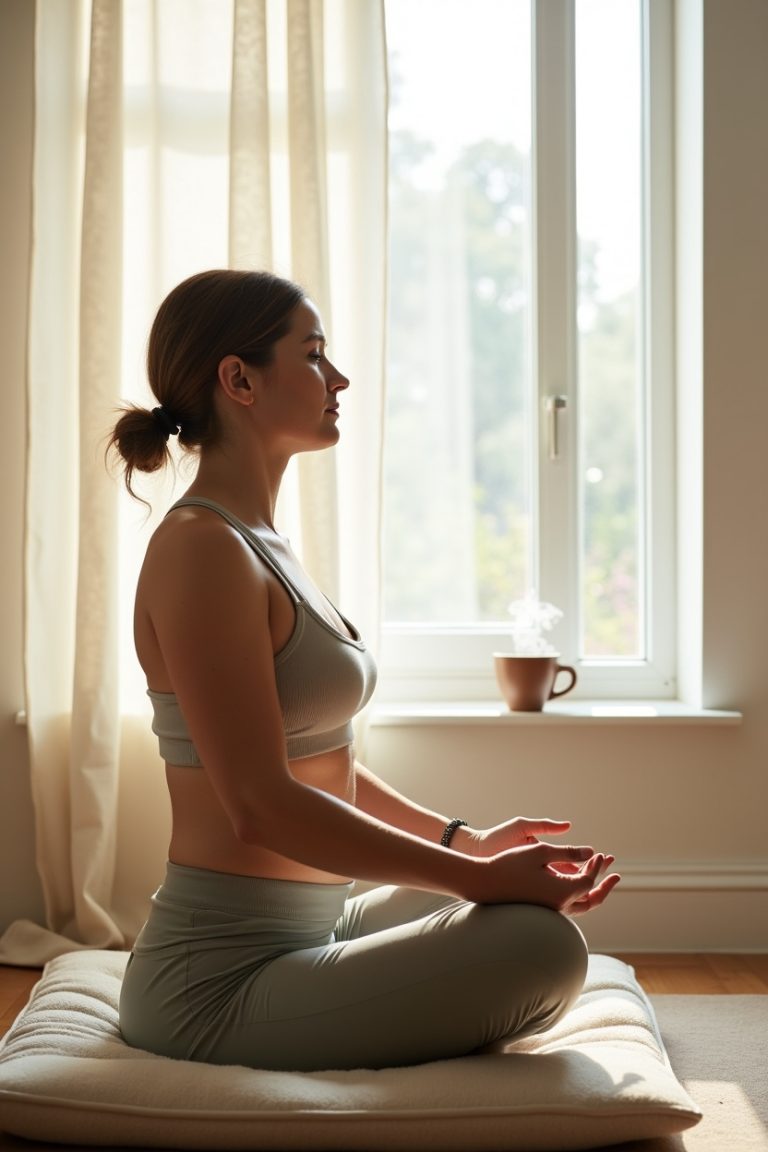
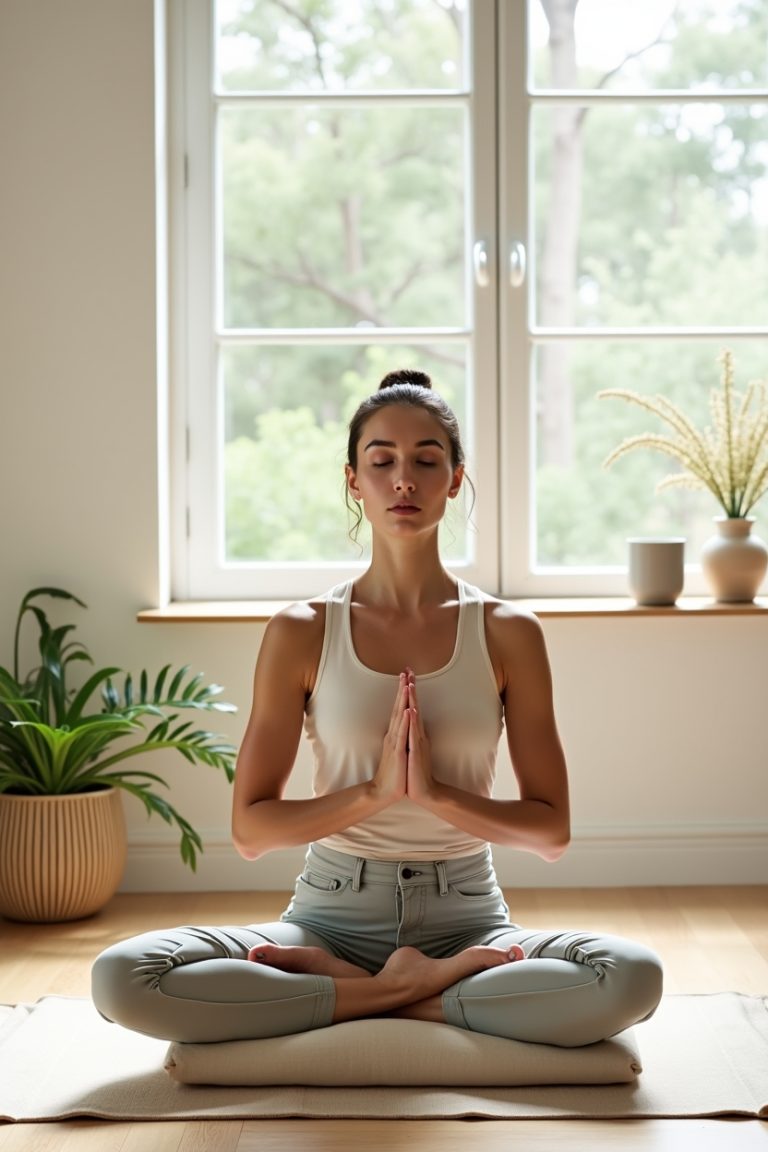
Begin seated at the edge of the bed or on a mat. Spend two minutes with a simple breathing practice: inhale for four counts, exhale for six. As you breathe, add slow ankle circles and toe wiggling to bring awareness to the lower legs and shift attention away from the day’s thoughts.
This combined breath-and-mobility practice anchors you in the body and lowers arousal, preparing calves and nervous system for the following stretches.
- 2 minutes: inhale 4, exhale 6
- While breathing, do ankle circles and gentle toe wiggling
- Notice any areas of tightness without judgment
Step 2 — Two calming calf stretches
Choose two complementary stretches: for example, a seated towel stretch followed by a reclined bolster hold. Keep each hold gentle and sync the softening with the exhale — imagine the muscles lengthening as you release breath.
Total time for this step is about 4–6 minutes: 60–120 seconds per stretch per side if you like, or shorter holds if you’re tired. The goal is calm, not maximum range.
- Seated towel stretch: 60–90 seconds per side
- Reclined bolster hold: 2–3 minutes if comfortable
- Breathe slowly; prioritize relaxation over depth
Step 3 — Settling and body-scan to invite sleep
Finish by coming to a comfortable supine or semi-reclined position. Do a brief body-scan from toes to head, intentionally softening the calves and feet with each exhale. Allow the legs to feel heavier and supported by the surface beneath them.
If you plan to stay in bed, keep your breath gentle and allow awareness to float without forcing sleep. This closing practice helps your nervous system transition into the restful state you want.
- Lie down or recline comfortably
- Scan from toes to head, exhaling to soften each area
- Remain in bed and follow the breath into rest

Common bumps and how to adapt
Even gentle practices can hit snags. Here are common issues and simple, compassionate adaptations so you can keep going without frustration.
If you get cramps during stretching or at night
If a calf cramp strikes, stop the stretch and gently stretch the calf by dorsiflexing the ankle (toes toward shin) if that helps. Massage the area, apply warmth, and breathe slowly until the spasm eases. Rehydration and attention to electrolytes — including a discussion about magnesium with your clinician — can reduce recurrence.
As a prevention strategy, include short mobility work each evening, avoid aggressive stretching when muscles are cold, and ensure your night-time routine supports overall hydration and calm.
- Gently dorsiflex the foot and massage the calf
- Apply heat and breathe slowly until spasm eases
- Consider hydration and clinician-guided magnesium advice
When stretching increases discomfort
If stretching makes discomfort worse, back off intensity and choose mobility-focused options rather than length-focused ones. Small range-of-motion movements, self-massage with a ball, or supported holds often feel kinder to irritated tissue.
Persistent or worsening pain should prompt professional evaluation — it’s okay to pause and ask for guidance from physical therapy or your healthcare provider.
Making it realistic: short routines and habit cues
Consistency beats intensity. Even a 2–5 minute nightly micro-practice that includes one seated calf stretch and a breath or two will build benefits over weeks. Anchor the habit to an existing cue — brushing teeth, turning off lights, or setting out a water glass — so it becomes part of your evening flow.
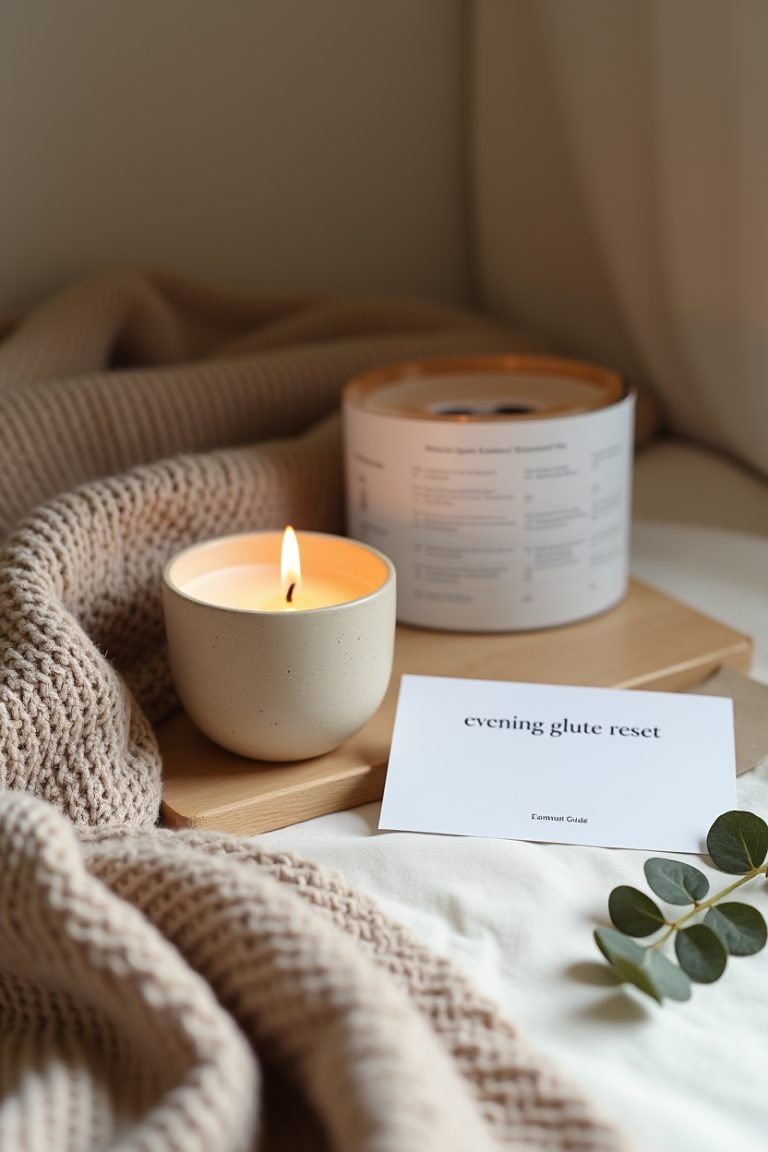
Use the printable 2-week log included with the worksheet to track timing, chosen stretches, and sleep notes; small records help you notice gradual change and stay motivated.
- 2–5 minute micro-practice nightly
- Anchor to an existing bedtime cue
- Use a simple log to notice improvements
Keeping progress: tracking, gentle strengthening, and when to seek help
Long-term change combines gentle stretching, progressive strength work, and attentive tracking. These steps help you move from temporary relief to lasting resilience.
Simple tracking prompts and sleep journal ideas
Record a few small data points each night: time you started the routine, which stretches you did, how long it took to fall asleep, and any calf discomfort during the night. Over two weeks you’ll see patterns — perhaps later workouts disturb sleep, or certain stretches are especially helpful.
This simple habit of noting outcomes encourages reflection rather than perfection, and it makes small improvements visible.
- Note: routine start time, stretches, time-to-sleep, nighttime awakenings
- Review weekly for patterns
- Adjust timing or selections based on what you learn
Slow strengthening progressions for lasting release
Adding controlled strengthening — like slow eccentrics and single-leg heel raises — builds tendon and muscle resilience so you rely less on passive stretching. Progress gradually: increase reps or add a set every 1–2 weeks as comfort allows.
Combine this strengthening two or three times per week with your nightly calming stretches to create a balanced plan that reduces chronic tightness over months, not days.
When to consult a clinician
See a clinician if you notice swelling, unexplained redness, persistent sharp pain, numbness, or significant changes in walking. Vascular issues, nerve compression, or structural problems need targeted assessment and care beyond self-directed stretching.
A physical therapist can provide a personalized progression and rule out concerning causes while helping you safely increase function and reduce sleep disruption.
Two-week bedtime calf-stretch log
A printable 2-week worksheet to track nightly calf stretches, timing, and brief sleep notes. Use it to build a gentle habit: record which stretches you chose, duration, and whether your sleep felt calmer. Small entries help you notice meaningful progress.
Download the two-week log
Final Thoughts
Small, consistent calf care can quietly improve how your body settles each night. By pairing gentle stretches with calm breathing and a short bedtime sequence, you give your nervous system and muscles a chance to repair — and sleep becomes easier to reach.
Make the pace your own: start small, use the worksheet to track what works, and notice the gradual shifts. Your rest is worth the gentle attention.