Yoga for Better Digestion: 7 Gentle Poses & Breath to Ease Bloating
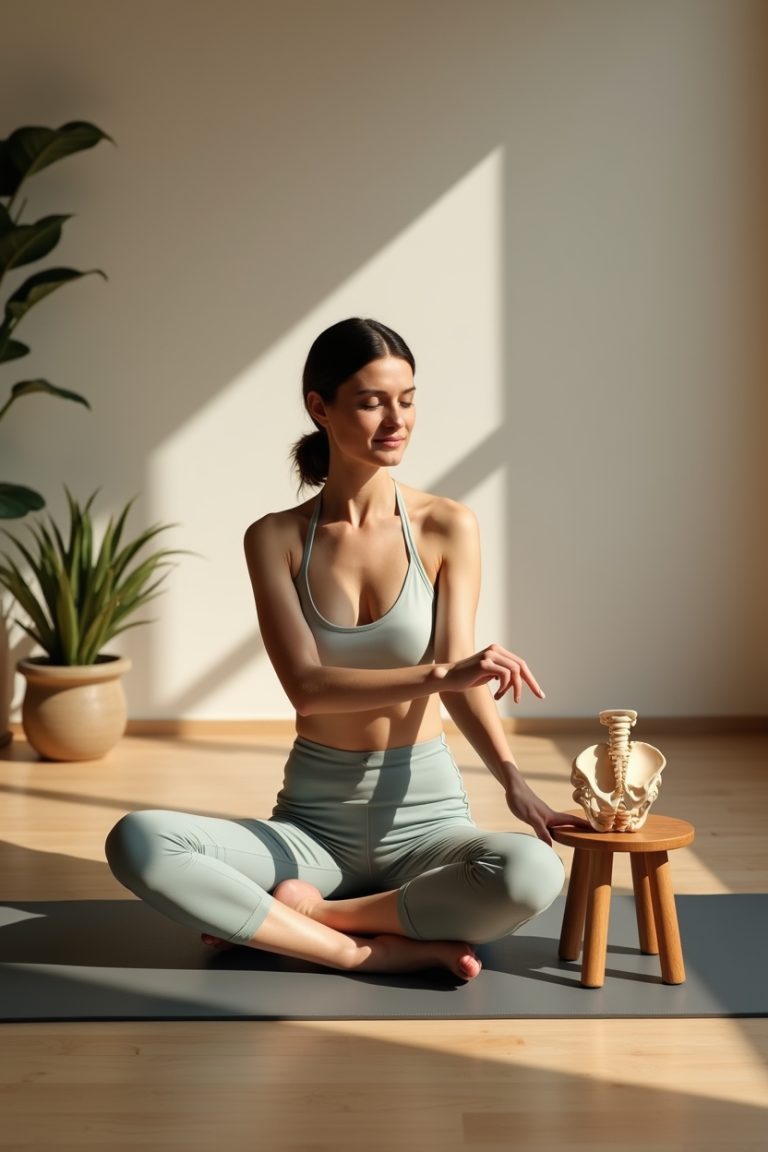
Digestive discomfort—bloating, sluggishness, irregularity—can make the day feel heavy and distracted. Yoga for better digestion offers gentle movement and breath that support the autonomic nervous system, massage the abdominal organs, and invite the body back into a restful, repairing state.
Use this practical roundup as you need: a single pose at your desk, a short 2–5 minute sequence after a meal, or the full printable routine for regular practice. Safety note: avoid deep twists or intense compressions after recent abdominal surgery, in early pregnancy without a teacher’s go-ahead, or if any pose causes sharp pain. Keep props handy (blanket, bolster, strap) and favor softness over effort—yoga for better digestion works best when it’s gentle and consistent.
How yoga helps digestion — the gentle science (yoga for better digestion)
When you sit with a warm blanket and a few slow breaths, you’re doing more than relaxing your shoulders—you’re shifting your physiology. Yoga stimulates the parasympathetic nervous system (the rest-and-digest branch), so movements and diaphragmatic breathing can slow the heart, calm the mind, and increase blood flow to the digestive organs.
Mechanically, twists and compressions provide a moving massage to the abdomen, encouraging peristalsis and easing trapped gas. Breathwork—especially diaphragmatic breathing—applies gentle pressure to the viscera and enhances vagal tone. Together, these tools form a soft, effective practice of yoga for better digestion.
Twists to wring out discomfort (poses for yoga for better digestion)
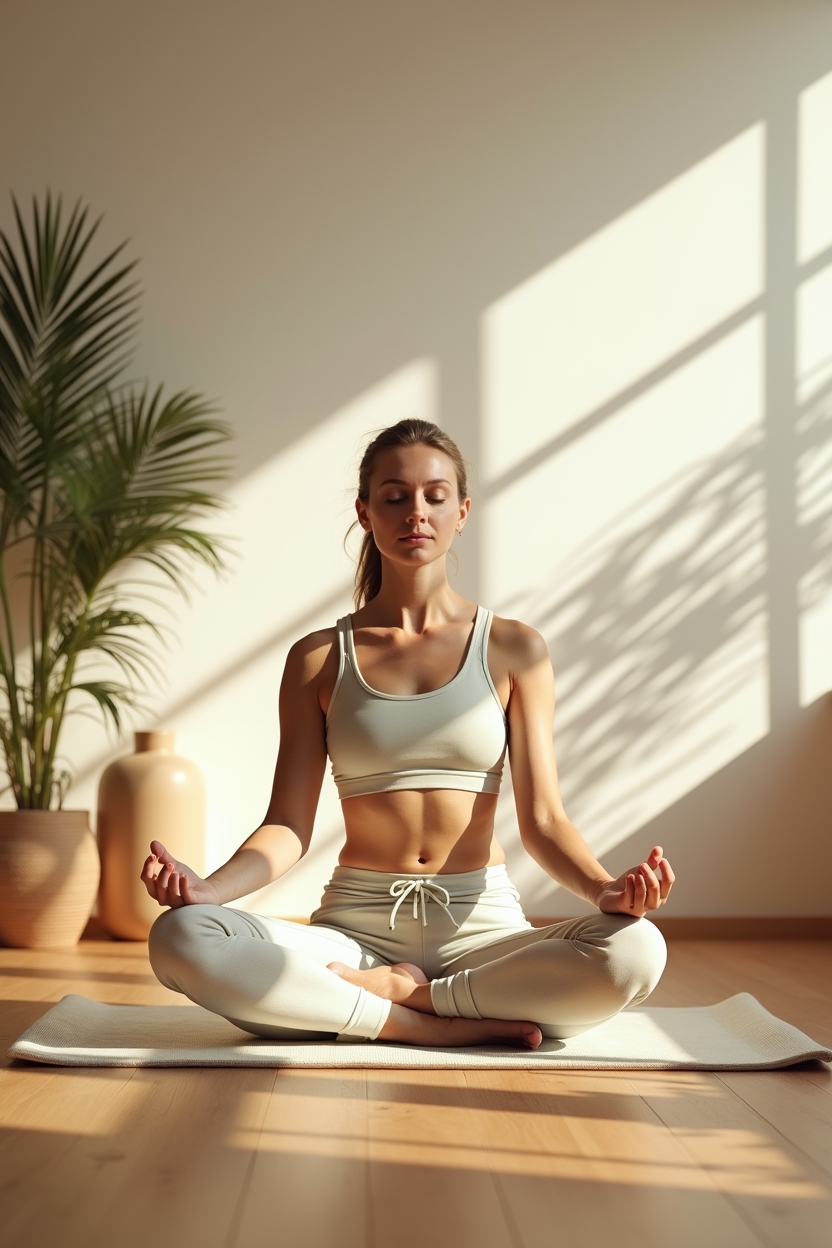
Twists create a clockwise and counterclockwise wringing action that can stimulate the liver, kidneys, and intestines, nudging contents along and releasing pockets of gas. They also alternate compression and decompression—pressure in, then relief—which is helpful for peristalsis.
Contraindications: avoid deep twists after recent abdominal surgery, during the first trimester of pregnancy unless modified, or if you have spinal instability. Always move gently and use props to reduce torque.
Seated Spinal Twist (Ardha Matsyendrasana) — pose + how to
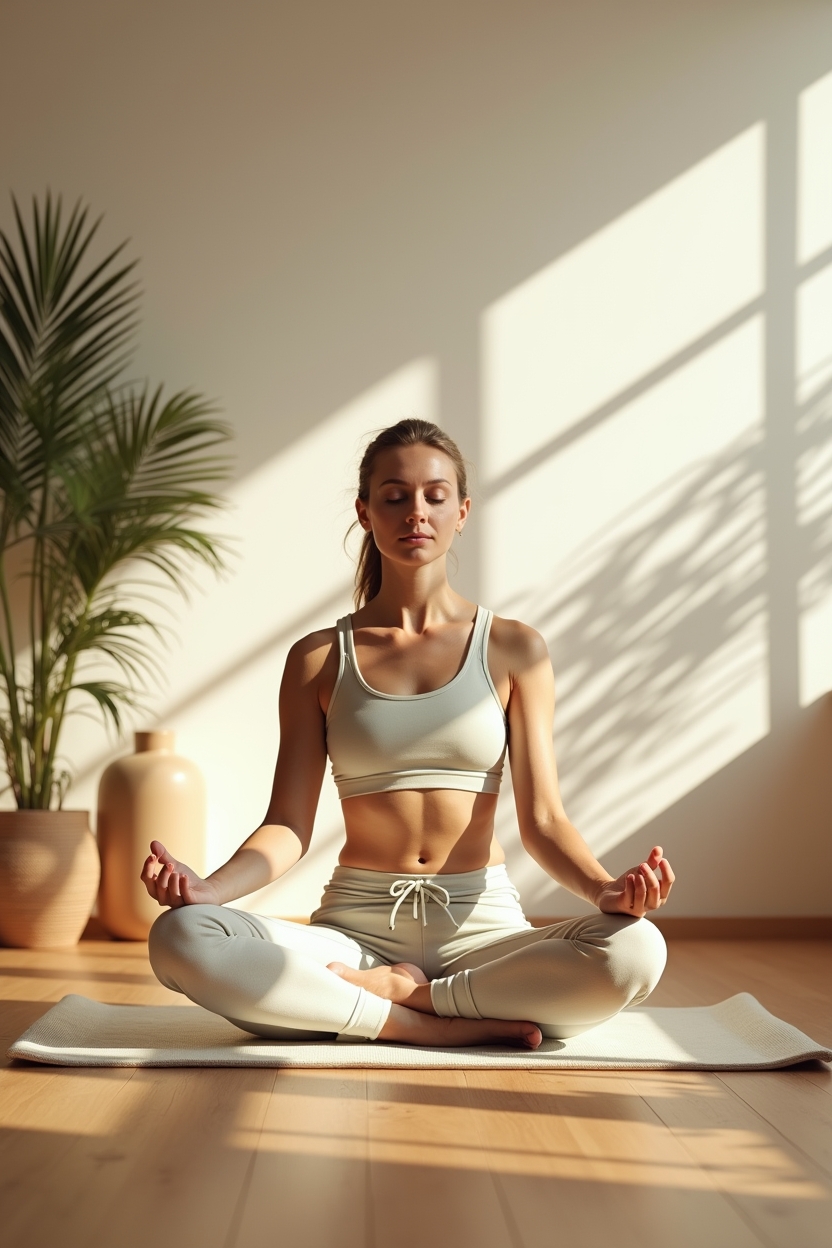
Seated Spinal Twist invites length through the spine first, then a gradual rotation. Sit with both sit bones grounded, extend the spine on an inhale, and exhale as you twist toward the bent knee. Lead the twist from the base of the spine, then soften around the belly so the abdominal organs feel a gentle compression rather than a sharp squeeze.
Why it helps: the rotational compression stimulates the abdomen and liver while the release phase encourages fresh blood flow—an alternation that supports motility. For sensitive lower backs, sit on a folded blanket to tip the pelvis forward and keep the spine long.
If sitting is uncomfortable, perform a modified version with legs extended and a gentle twist supported by a bolster behind you. Always follow the breath—inhale to lengthen, exhale to release into the twist.
- Sit tall, knees bent, right foot outside left thigh.
- Inhale to lengthen the spine; exhale to twist right, placing left elbow outside right knee or right hand behind you.
- Keep breaths slow and even for 5–8 cycles, then unwind on an inhale and repeat on the other side.
- Modify by sitting on a blanket, or cross legs loosely if full-lotus is uncomfortable.
Supine Wind-Relieving Pose (Pawanmuktasana) — simple release
Lying supine and drawing one or both knees toward the chest is one of the most direct ways to ease gas and gently compress the colon. Move with the breath—exhale as you hug the knees in and inhale to create a small space, then exhale again to soften into the draw-in.
Why it helps: this pose shortens the torso just enough to encourage trapped gas to move toward the exit while also calming the nervous system. It is especially useful right after a heavy meal or when you sense localized bloating.
Beginners and those with low-back sensitivity can place a folded blanket under the sacrum or keep one foot on the floor while drawing the other knee in. Hold for 6–10 breaths, or do several slow repetitions.
- Lie on your back with knees bent and feet on the floor.
- Exhale and hug both knees into the chest, wrapping hands around shins.
- Hold 6–10 breaths, rocking slightly side to side if it feels relieving.
- To target one side, draw one knee in while the opposite leg extends on the mat.
Reclined Twist (Supta Matsyendrasana) — restorative option
The Reclined Twist is a restorative, supine rotation—perfect for days when digestion feels fragile. Lying on your back, drop both knees over to one side and let the top arm open wide. Keep both shoulders grounded if possible and breathe into the expanding space across your belly.
Why it helps: this position makes yoga for better digestion especially useful when bloating or sluggish digestion are present. without bearing weight or strong compression—ideal for calming and promoting steady peristalsis. Use a bolster or folded blanket under the knees for support if the twist is deeper than is comfortable.
Hold for 1–3 minutes per side in longer restorative practice, or 6–10 breaths when you need a shorter reset. Return slowly, using the inhale to center your spine and the exhale to soften.
- Lie on your back, hug knees into chest, then drop both knees to one side.
- Extend the opposite arm to shoulder height and turn head the other way if it feels good.
- Place a blanket or bolster under the knees for support.
- Stay for 6–10 breaths or longer if using as restorative practice.
Forward folds & compressions: calming the center
Forward folds compress the abdomen in a different way—by folding the torso over the thighs, you create a soothing, inward pressure followed by release as you unroll. This cycle can enhance vagal tone and encourage the body toward rest-and-digest.
Timing and breath matter: move slowly with long exhales, and use props when flexibility would otherwise cause strain.
Seated Forward Fold (Paschimottanasana) — soothe with slow breath
Begin by sitting tall and lengthening the spine—this keeps the fold even from the hips rather than collapsing the lower back. On an exhale, hinge from the hips and soften the belly toward the thighs. Breathe slowly and allow the abdomen to feel the rhythm of compression and release.
Why it helps: sustained, gentle compression can calm an overactive nervous system and signal the body to downregulate, which supports digestion. Use a strap around the feet or rest the knees on a cushion to keep the fold gentle.
Practice for 6–12 slow breaths, focusing on long exhales. If you have lumbar disc issues, keep a micro-bend in the knees and emphasize hip hinging rather than spinal rounding.
- Sit with legs extended and a strap around the feet if needed.
- Inhale to lengthen the spine; exhale to hinge from the hips and fold forward.
- Keep breaths slow—soften a little more on each exhale for 6–12 breaths.
- Use a bolster on the thighs to reduce intensity if needed.
Child’s Pose (Balasana) with belly support — restorative compression
Child’s Pose with support is a soft, restorative shape where the belly receives gentle pressure while the breath flows. Knees can be wide to make more room for the abdomen; place a bolster or folded blanket under the torso to invite even softer compression.
Why it helps: this pose is excellent for settling the nervous system at the end of a busy day or when bloating feels prominent. The supported fold encourages diaphragmatic breath and a sense of safety—both key for digestion.
Stay here for 8–12 breaths or longer. Adjust the height of the blanket or bolster until the pressure on your belly feels inviting rather than tight.
- From a kneeling position, lower the hips toward the heels and widen the knees.
- Place a bolster or folded blanket under the torso and rest forehead on the prop.
- Breathe diaphragmatically for 8–12 breaths, adjusting support for comfort.
- Come out slowly, rolling to one side before rising to avoid lightheadedness.
Gentle twists and cores to move things along
Light core engagement combined with gentle rotations can encourage intestinal transit without straining the system. Keep intensity low—think tone, not fatigue—and coordinate movement with breath for steady progress.
Supine Bicycle — gentle tone for the gut
The supine bicycle, practiced slowly and with breath synchronization, activates the obliques and deep abdominal muscles in a way that supports healthy transit. Lie on your back, hands behind your head if comfortable, and bring opposite elbow toward knee on a slow exhale, then switch on the next breath.
Why it helps: this movement lightly stimulates the abdominal wall and can mobilize contents through the intestines without aggressive twisting. Keep tempo slow—one breath per side—and focus on quality of movement over repetitions.
Recommended: 6–10 slow cycles per side. If neck strain occurs, keep hands at the temples or rest the head on a folded blanket.
- Lie on your back, knees bent, feet on the floor.
- Place hands lightly behind the head or at temples.
- On exhale, draw right elbow toward left knee and extend the other leg.
- Switch sides on the next inhale; continue for 6–10 rounds slowly.
Thread-the-Needle to flow into a twist
Thread-the-Needle is a gentle shoulder and upper-back opener that naturally leads into a mild spinal rotation. From all-fours, slide one arm under the opposite arm, lowering the shoulder and head toward the mat; then reverse and rotate the open chest upward into a gentle twist.
Why it helps: this sequence combines thoracic mobility with light rotational stimulus—helpful for improving overall spinal flexibility and signaling the abdomen to move. The breath links the two shapes so you don’t rush into a twist.
Practice 3–6 rounds per side with slow inhales to create space and slow exhales to gently release into each rotation.
- Start on hands and knees, wrists under shoulders.
- Slide right arm under left arm, lowering right shoulder and temple to the mat.
- Inhale to reach left arm up and rotate the chest; exhale to thread the needle again.
- Repeat 3–6 times per side with slow breath.
Breath practices (pranayama) to ease bloating and support digestion (yoga for better digestion)
Breath is among the most reliable tools for digestion—it’s immediate, portable, and powerful. Diaphragmatic breathing, alternate nostril breathing, and gentle kapalabhati variations help shift the nervous system toward rest-and-digest and can directly influence gut motility.
Practice these seated or lying down, keeping the breath soft and attentive. If breathwork ever causes dizziness or discomfort, pause and return to natural breathing.
Diaphragmatic breath — how to and why it helps
Diaphragmatic breathing is central to yoga for better digestion. Sit or lie comfortably and place one hand on your belly and the other on your chest. Breathe so the belly rises first on the inhale and falls fully on the exhale—keep the chest relatively quiet.
Why it helps: deep belly breathing increases vagal tone and creates gentle pressure on the abdominal organs with each cycle, encouraging movement. Start with sets of 5 minutes, and notice a softening of tension around the belly.
Contraindications: if you have severe respiratory conditions, practice under guidance. If you feel lightheaded, reduce the duration and return to normal breathing.
- Find a comfortable seat or lie on your back with knees bent.
- Place one hand on the belly and one on the chest.
- Inhale for a count of 4 as the belly rises; exhale for a count of 6 as the belly falls.
- Repeat for 5 minutes, resting between sets.

Nadi Shodhana (alternate nostril breathing) — calm the nervous system
Nadi Shodhana balances left and right energetic channels and is very useful for shifting into a calmer nervous state. Use the thumb and ring finger to gently close alternate nostrils—inhale through one, exhale through the other, then reverse.
Why it helps: this practice reduces sympathetic activation (the fight-or-flight response) and supports the parasympathetic tone needed for digestion. Try 5–8 cycles to feel a gentle settling.
Suggested counts: inhale 4, hold briefly if comfortable, exhale 6. Avoid forceful retention if you’re new to breathwork.
- Sit tall and relax the face and jaw.
- Close the right nostril with the thumb and inhale through the left for count 4.
- Close the left nostril, release the right, and exhale through the right for count 6.
- Continue 5–8 rounds, finishing with an exhale on the left side.
Kapalabhati variations — energetic digestives with caution
Kapalabhati—skull-shining breath—can be stimulating for digestion when practiced gently. Rather than fast, forceful pumps, use a slow, deliberate series of gentle abdominal contractions followed by passive inhales. Think of it as a tiny percussive massage to the belly.
Why it helps: light kapalabhati can awaken sluggish digestion and help break up mild stagnation. Important safety note: avoid forceful or rapid kapalabhati if you have hernias, recent abdominal surgery, hypertension, or pregnancy.
Practice only a few rounds (10–20 gentle pumps), resting between sets and favoring a calm, slow approach when working with sensitive digestion.
- Sit tall with a soft belly and steady breath.
- Exhale with a gentle abdominal contraction; allow the inhale to be passive.
- Repeat slowly for 10–20 pumps, then rest and observe.
- Stop if you feel lightheaded, dizzy, or strained.
Short sequences and when to practice — quick relief to daily routines (yoga for better digestion)
These yoga for better digestion routines make it easy to support healthy digestion every day. Below are three options: a 2–5 minute quick relief, a 15-minute morning sequence, and a 25-minute restorative practice. Note timing: wait 20–30 minutes after a large meal before deeper twists; gentle poses can be done sooner.
2–5 minute quick-relief sequence — immediate bloating relief
This mini-sequence is portable—use it at your desk, after a meal, or in bed. Start with diaphragmatic breath for 6–8 breaths, then move into a couple rounds of supine wind-relieving pose, followed by a gentle reclined twist. Finish with a slow diaphragmatic breath to settle.
Why it helps: the combination of breath, compression, and mild rotation quickly shifts the nervous system and physically encourages trapped gas to move. It’s gentle enough to use frequently throughout the day.
Practice cues: move slowly, coordinate with your breath, and stop if any movement feels sharp.
- 1 minute diaphragmatic breathing (seated or supine).
- 1 minute supine wind-relieving pose (knees to chest).
- 1 minute reclining twist, 30 seconds per side.
- Finish with 30–60 seconds of belly breathing.
15-minute morning sequence — gentle wake + digestion support
A morning flow primes the system without overstimulating. Begin seated with diaphragmatic breath, then move through Cat-Cow for spinal mobility, a gentle supine bicycle to engage the core, standing forward fold to compress and release, and finish with a seated twist on each side.
Why it helps: this sequence combines movement, breath, and mild compression to awaken circulation and support bowel motility after sleep. The pace should be unhurried—think breath-led transitions rather than a vigorous workout.
Timing tip: practice before breakfast or at least 20–30 minutes after a small meal. Use props and shorter holds if your body feels stiff.
- 2 minutes diaphragmatic breathing seated.
- 2–3 minutes Cat-Cow and gentle spinal mobility.
- 2 minutes supine bicycle (slow, breath-synced).
- 3 minutes standing forward fold with soft knees.
- 3 minutes seated twists, 1.5 minutes per side.
Full 25-minute restorative practice — unwind and restore
This longer practice focuses on slow release: begin with breathwork (5 minutes), move into supported Child’s Pose and Reclined Twist with bolsters (10–12 minutes total), and finish with legs-up-the-wall or a supported Savasana for deep rest. Keep transitions gentle and props ready.
Why it helps: extended restorative positions deepen parasympathetic activation, promote tissue repair, and let the digestive organs receive sustained, soothing pressure and release. Regular practice helps build consistent digestive rhythm.
Use this practice in the evening or on a low-energy day. Allow at least 30 minutes after a heavy meal before starting, and keep the room warm and quiet.
- 5 minutes diaphragmatic breathing or Nadi Shodhana.
- 8–10 minutes supported Child’s Pose and Reclined Twist (bolstered).
- 5–8 minutes legs-up-the-wall or supported Savasana.
- Conclude with gentle seated breaths and slow reawakening.

Everyday tips, contraindications, and next steps
Beyond the mat, simple daily choices compound. Hydration, mindful eating, and movement after meals support what you do in practice. Notice patterns—certain poses or breath practices may help some days more than others.
Red flags: persistent severe pain, blood in stool, unintentional weight loss, or symptoms that worsen with gentle yoga should prompt a clinician visit. Track what helps in a small journal and favor regular, gentle practice rather than sporadic intensity.
Download the 15‑Minute Digestive Routine
A one-page printable of a gentle 15-minute sequence with clear breath cues and pose modifications—handy to keep by your mat or share with a friend. Calm, simple, and designed for daily use to support digestion without strain.
Get the Printable Routine
Final Thoughts
Be compassionate with yourself as you explore these gentle practices. Try one pose or one breath each day and notice, without judgment, how your digestion responds—the small, consistent choices are what change a pattern. Yoga for better digestion is most effective when it’s kind, regular, and responsive to your body’s needs.
Yoga for better digestion doesn’t need to be complicated. Even five minutes of gentle movement and mindful breathing can support your gut and nervous system over time.