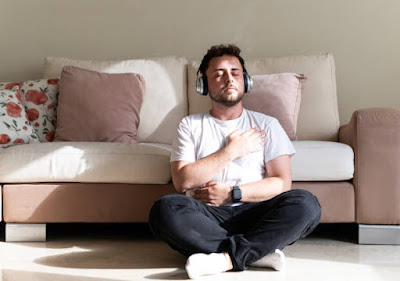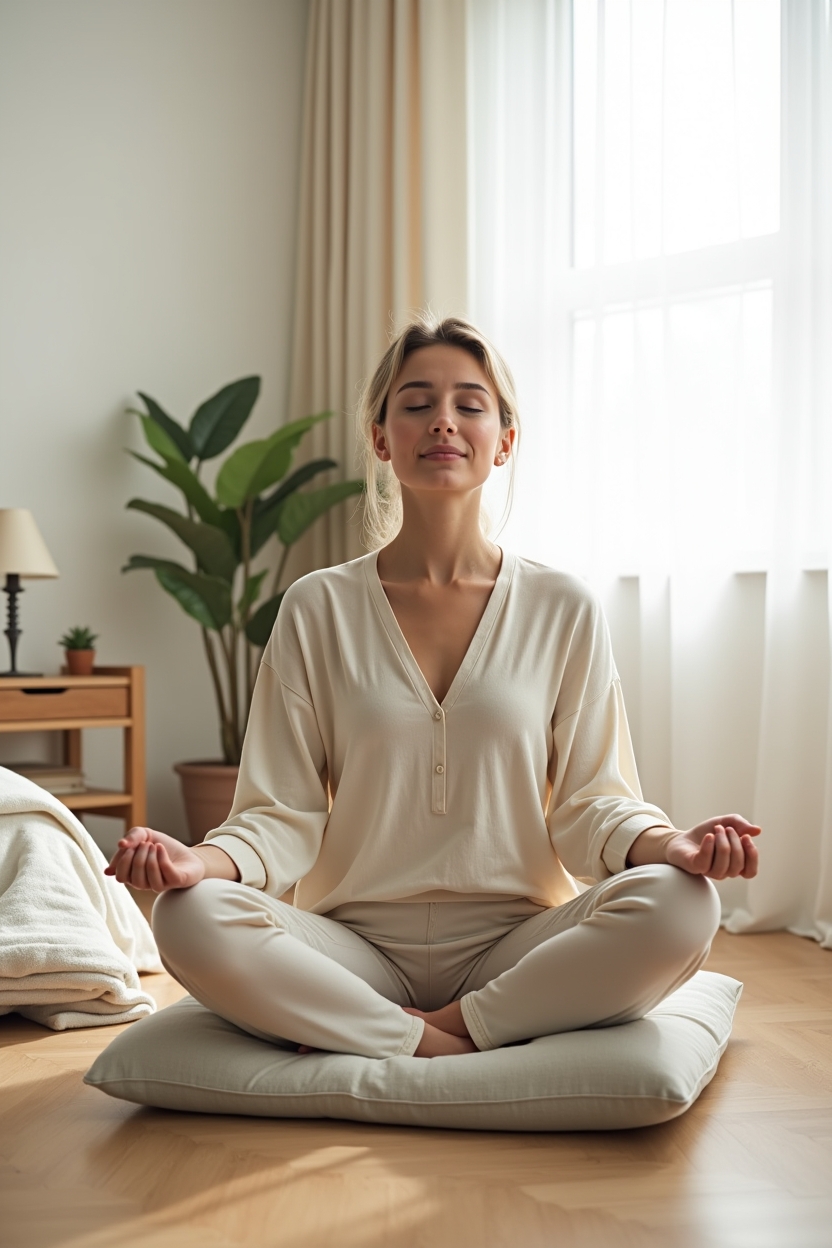
How to practice vipassana meditation for sleep: a gentle, practical guide
Struggling to quiet the mind at night can make bed feel like a battleground. Vipassana — defined simply as clear, moment-to-moment noticing of sensations — offers a gentle, non-judgmental route away from rumination and toward rest. In this guide you’ll learn how to practice vipassana meditation for sleep in short, body-based sessions that fit busy evenings and soothe an overactive mind.
Expect brief practices (5–30 minutes), grounding anchors like the breath and body-scan, and concrete examples for racing thoughts. Note: the instruction above places the primary keyword here for clarity and SEO.
Why vipassana can help sleep
Vipassana isn’t just quieting the mind — it’s training attention so you notice patterns of thought before they pull you into an all-night story. This section explains the mechanism in plain, grounding language.
How vipassana trains attention and reduces rumination
At its core, vipassana trains you to notice what is actually happening — sensations, images, thoughts — without immediately responding. That simple shift from reacting to noticing interrupts the rehearsal loop of worry that often keeps you awake.
When you practice open, moment-to-moment noticing you weaken automatic story-thinking. Rather than following every anxious thread, you become familiar with the texture of thinking itself. Over time those repetitive worries lose their urgency and pull, and that change transfers to bedtime.
Why body-focused awareness settles the nervous system
Tracking breath and bodily sensations invites the parasympathetic nervous system to return — the branch that calms heart rate and digestion. Attention on gentle, present sensations signals safety more reliably than trying to force sleep with willpower.
Practically, noticing slow exhales or a soft warmth in the chest can stimulate vagal tone and reduce physical arousal. Vipassana’s non-reactive stance — noticing without judging — also reduces the adrenaline spike that follows self-criticism at bedtime.
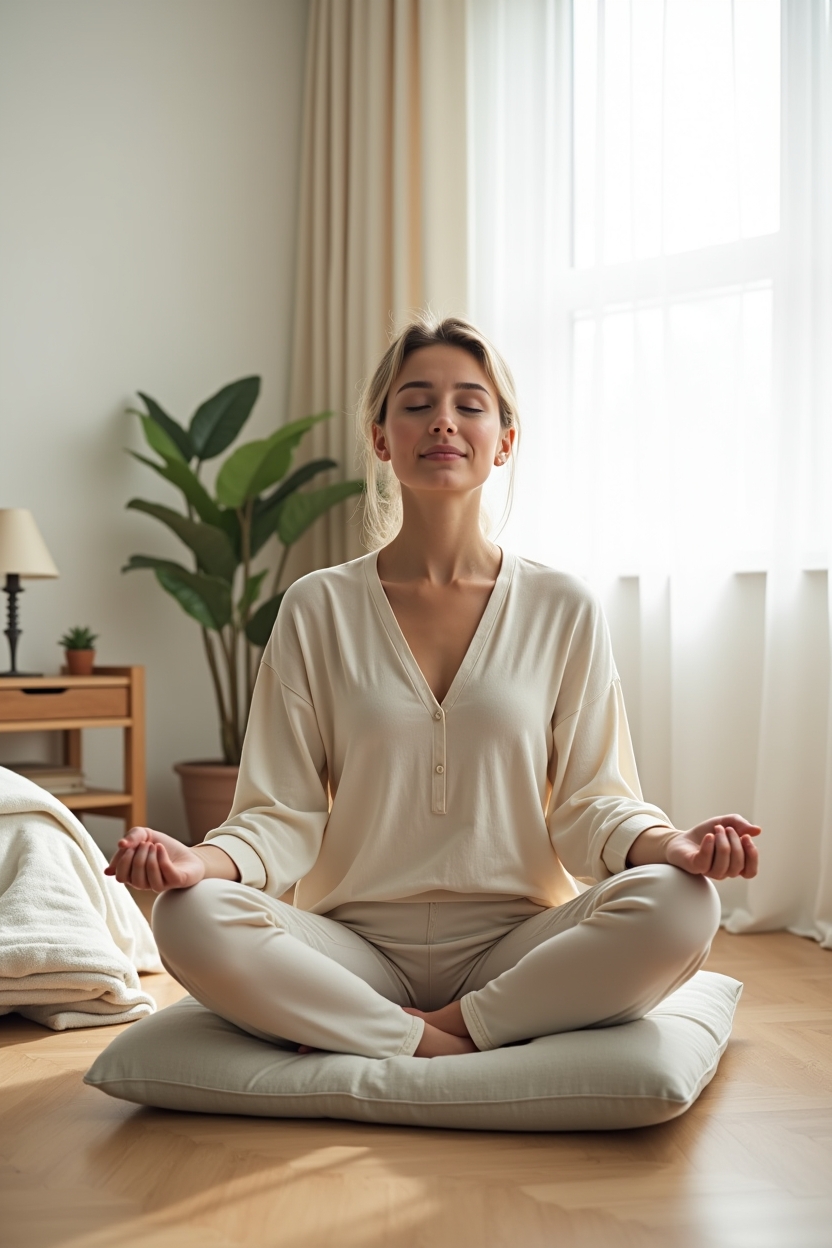
When vipassana is helpful — and when to seek other support
Vipassana is a supportive tool for mild-to-moderate sleep problems and stress-related wakefulness. It works well when the issue is rumination, hypervigilance, or habitually tense bedtime routines.
If you have a chronic sleep disorder, severe insomnia, or mental health conditions that severely affect functioning, pair this practice with professional care. Also seek help if meditation increases distress — a clinician or experienced teacher can help adapt the practice safely. Vipassana meditation techniques for insomnia can be effective, but they are one part of a broader care plan when sleep problems are persistent.
Simple preparatory steps before a vipassana sleep practice
Setting up kindly — the room, your posture, and an intention of permission — lets the practice support sleep rather than pressure it. These small preparations create safety and continuity night after night.
Create a sleep-friendly environment
A calmer environment cues your nervous system to wind down. Dim lights, cooler temperatures, and removing blue-light screens are practical nudges toward rest that complement the inward work of vipassana.
Short, predictable rituals also help: a warm mug of herbal tea, soft lighting, or a three-breath pause before you begin. These signals are not magic — they’re reliable context markers that make it easier to settle into noticing.
- Dim overhead lights; use a lamp or candle-like bulb
- Keep bedroom cool and comfortable (around 60–68°F / 15–20°C)
- Silence or hide screens 30–60 minutes before practice
- Choose soft, breathable bedding and supportive pillows

Choose a posture that suits you: lying, reclined, or seated
Vipassana can be practiced lying down, reclined, or seated — each has pros and cons. Lying is natural for sleep and reduces effort, but it can quickly lead to drifting if your aim is a light awareness practice. Seated posture supports alertness but may be less comfortable for long nights.
Safety tips: if you lie on your back, support your head and neck to avoid strain. If you’re prone to sleepwalking or unsafe nighttime movement, choose a seated or reclined position. Trust what your body prefers on any given night.
- Lying flat: soothing, low-effort, higher chance of falling asleep
- Reclined: a balance of support and alertness
- Seated: best for maintaining gentle wakefulness; use cushions
Set a gentle intention — permission over performance
An intention frames the practice as exploration rather than a task. Choose language that reduces pressure: you’re here to notice, not to produce sleep. That permission alone softens striving, which often worsens insomnia.
Short examples below model the tone: calm, curious, and compassionate. Use one that resonates, or make your own in a few quiet words.
- “I’m here to notice, not to force sleep.”
- “May I be gentle with myself tonight.”
- “I allow whatever arises to be as it is; I will meet it with kindness.”
How to practice vipassana meditation for sleep: a simple nightly routine
Below is a concise, step-by-step routine you can try tonight — options for 5 minutes up to 30. This section intentionally repeats how to practice vipassana meditation for sleep so you can find the exact practice language and sequence.
Step 1 — Ground: short body-scan to anchor attention
Why: a brief head-to-toe scan brings attention to immediate sensation and away from looping thoughts. It establishes a sympathetic-but-soft contact with the body so the mind has something steady to return to.
How: take 1–3 minutes moving attention slowly from the crown of the head to the toes. Notice contact points, temperature shifts, and subtle tensions. Don’t change anything — simply note what’s present and move on.
- Close your eyes or soften your gaze.
- Take three slow breaths, noticing the sensations of inhale and exhale.
- Scan from head to toes, pausing briefly at each area to notice contact and feeling.
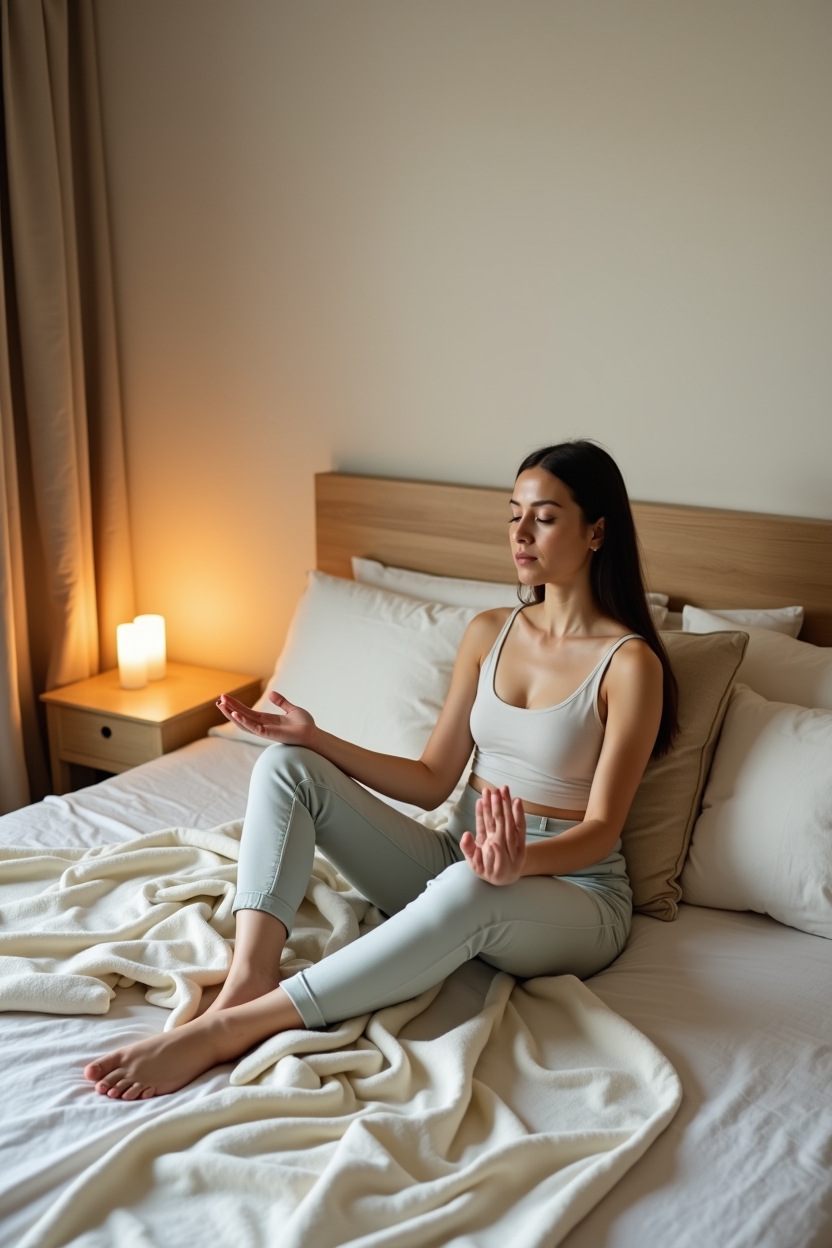
Step 2 — Notice breath and neutral sensations (how to practice vipassana meditation for sleep)
Why: the breath is an accessible anchor that’s always available and usually subtle enough to quiet mental chatter. Focusing on neutral sensations — the tiny touch of air at the nostrils or the rise of the abdomen — keeps you tethered to present experience.
How: pick one point (nostrils or belly) and lightly rest attention there. Count or label gently if it helps (inhale-1, exhale-1 up to 4, then restart), and treat thoughts like clouds that pass without needing your reaction.
- Rest attention at the nostrils or abdomen.
- Notice the first touch of air on the inhale and the soft release on the exhale.
- If the mind wanders, acknowledge it briefly and return without judgement.
Step 3 — Open to sounds and shifting body sensations
Why: including sounds and bodily shifts reduces the battle against external stimuli and widens your field so nothing urgent feels missing. This openness prevents small noises from derailing the practice.
How: slowly expand your awareness from the breath to include ambient sounds and subtle body sensations. Notice them as part of a continuous field; you can mentally note “sound” or “tingle” then return to the breath anchor when you like.
- Widen your attention to include sounds and minor bodily sensations.
- Label briefly if helpful (e.g., “sound,” “pressure,” “warmth”).
- Let sensations be background material rather than problems to fix.
Step 4 — If sleep arises, allow it; if not, close gently (how to practice vipassana meditation for sleep)
How: the intention is not to beat sleep into submission. If sleep naturally arrives during practice, allow it — the practice has served its purpose. If sleep does not come, close the session gently to avoid frustration.
Transition: when you finish, take three mindful breaths, set a gentle intention for sleep or rest, and either remain lying to drift off or sit quietly and move into a restorative posture. Avoid checking screens or clock-watching.
- If you fall asleep, let the sleep deepen naturally.
- If you finish without sleeping, close with three mindful breaths.
- Note how the body feels and move slowly to avoid jarring alertness.
Micro-practices and variations for restless nights
On particularly restless nights, short variations of the routine can calm a racing mind or an agitated body. These micro-practices fit into five minutes and can be repeated without pressure.
A 3-minute anchor for racing thoughts
When thoughts accelerate, a tight, simple structure helps. A short counted-breath sequence stabilizes attention and reduces momentum of thinking so you can re-enter gentle noticing.
Try this micro-routine: count four slow inhales and exhales, then mentally name three present sensations. Naming breaks automatic storytelling and returns you to immediate experience.
- Breathe in for a count of 4, out for 4, for three cycles.
- Name one thought or feeling (“planning,” “worry”) and let it pass.
- Shift attention to one neutral sensation (clothing against skin) for one minute.
Using tactile sensation to settle a restless body
Physical restlessness responds well to specific touch points. Noticing contact points anchors attention in a concrete way that reduces kinesthetic searching and fidgeting.
Technique: notice the weight of the heels, the touch of your forearms against the bed, or the warmth of a blanket. Allow each point to hold your attention briefly before moving to the next — this gentle mapping relaxes muscular tension.
- Place hands on the belly or sides and feel the contact.
- Notice weight at the heels or calves against the bed.
- Soften each area with breath, observing without trying to change it.

Night awakenings: short re-entry vipassana
Waking in the night often leads to clock-checking and anxious storylines. A calm re-entry method reorients attention without feeding the narrative.
Upon waking, avoid external devices. Take three slow breaths, scan for immediate sensations, and choose a short anchor (nostril breath or contact points). Mindfully return to that anchor rather than following the next thought.
- Remain still; resist checking the clock.
- Take three mindful breaths, noticing sensations.
- Return attention to a chosen anchor for 1–5 minutes and allow yourself to drift.
Common obstacles and compassionate troubleshooting
Difficulties will arise — drowsiness, frustration, or persistent planning thoughts are normal. The key is compassionate investigation and small adjustments rather than self-blame.
When you feel drowsy or drift into sleep quickly
Drowsiness can be a helpful sign that your body needs rest. If you’re genuinely sleepy, allow sleep. It’s a natural and beneficial outcome of calming the nervous system.
If drowsiness feels avoidant — a way to escape uncomfortable feelings — consider shortening the session or practicing seated to maintain light awareness. Notice the difference with kindness rather than judgment.
What to do with persistent worry and bedtime planning thoughts
Thoughts that plan or worry can hijack bedtime. A brief cognitive tool paired with vipassana noticing helps: acknowledge the thought, “box it,” and schedule a follow-up.
Practice: note the worry as “planning” or “worry,” write down one action if needed, then return attention to the breath. This honors practical needs while keeping the night for rest.
Keeping the practice gentle — avoiding performance traps
It’s easy to turn meditation into another performance metric. Remember: progress is gradual and often subtle. Small consistency beats occasional long sessions accompanied by self-judgment.
Use self-compassion prompts when the inner critic arises: “This is practice; it’s okay to be exactly as I am.” Reframe setbacks as data, not failure, and return to kindly noticing.
Building a sustainable, sleep-friendly vipassana habit
Long-term benefits grow from small, consistent practices that fit your life. This section offers practical ways to make nightly vipassana a gentle habit and signs your practice is taking root.
Start small and stay consistent
Begin with tiny, achievable sessions — even five minutes nightly is meaningful. Tying your practice to an existing anchor (like brushing teeth) helps it become habitual without extra friction.
Recommendation: set a realistic duration, mark it in a simple tracker, and prioritize regularity over length. Gradual expansion is the sustainable path to depth.
- Choose 5–10 minutes to start, 4–5 nights a week.
- Attach the practice to an existing habit (e.g., after brushing teeth).
- Gently increase time when consistency feels steady.

Signs of progress beyond immediate sleep (daytime calm, less rumination)
Improvements may show up outside of sleep: easier concentration, fewer reactive moments, and a quieter inner narrative during the day. These are meaningful signs the practice is working.
Notice subtle shifts like reduced impatience in traffic or less mental replay of conversations. These outcomes often arrive before dramatic changes in sleep patterns and are a gentle reminder that the practice reaches beyond bedtime.
When to deepen practice or seek guided courses
If nightly micro-practices feel stabilizing and curiosity grows, you might explore longer sits, teacher-led courses, or retreats. Deeper practice can refine insight and resilience — but it’s optional, not required.
Also consider guidance if meditation brings up strong emotions or resurfaced trauma. A qualified teacher or mental health professional can help adapt vipassana so it remains safe and nourishing.
7-Day Nightly Vipassana for Sleep Worksheet
A printable worksheet to guide a gentle week of practice: suggested micro-practices for each night, a simple tracker for session length and sleep quality, and reflective prompts to notice patterns without judgement. Use it as a low-pressure experiment — small steps, consistent attention.
Download the 7-Day Worksheet
Final Thoughts
Vipassana offers a tender, practical way to reduce bedtime rumination and invite rest. It isn’t a quick fix — it’s a skill you cultivate with patience and kindness. Try the five-minute routine for a week as a small experiment and notice subtle shifts.
If you’re curious, download the worksheet to support consistent nights. Remember: how to practice vipassana meditation for sleep is a personal exploration—be gentle, stay curious, and keep returning to the present with compassion.