How to Practice Self Compassion Meditation for Self Love: A Gentle Guide
**self-compassion** is the practice of meeting yourself with warmth, curiosity, and steady care — not indulgence, not weakness. If you’ve come here because you want to learn how to practice self compassion meditation for self love in a practical, accessible way, you’re in the right place: this guide gives short practices, chair-friendly options, and examples for common challenges so you can begin slowly and safely.
Why Self-Compassion Matters
Self-compassion changes how you relate to inner difficulty — it shifts the tone from blame to steadiness. This section offers a comforting, non-technical look at what it does for your nervous system, emotions, and relationships.
What self-compassion is (and isn’t)
Many people confuse self-compassion with self-pity or self-indulgence. It isn’t giving yourself a pass; it’s offering care in the face of suffering. At its heart are three elements: self-kindness (gentle inner speech), common humanity (noticing you are not alone), and mindful awareness (noticing emotion without exaggeration).

Evidence and gentle outcomes
Researchers have found that practicing self-compassion supports emotional regulation, lowers shame, and improves resilience. Practically, that looks like steadier moods, fewer catastrophic thoughts, and an easier time returning to tasks after setbacks. These are not overnight miracles — they’re gradual shifts as you practice.
Preparing to Practice: Mindset and Environment
A kind set-up helps the practice succeed. You don’t need a special space — just a willingness to be gentle and a few simple choices about posture, timing, and intention.
Setting a kind intention
Begin by turning away from ‘performance’ and toward curiosity. A compassionate intention can be as simple as, ‘I will be present with what I feel without trying to fix it.’ That frames the meditation as practice, not test, and reduces pressure.
- A simple intention: “May I be kind to myself in this moment.”
- A curiosity intention: “I’m here to notice, not to judge.”
- A practical intention: “Three minutes of kind attention.”
Practical set-up: posture, breath, and timing
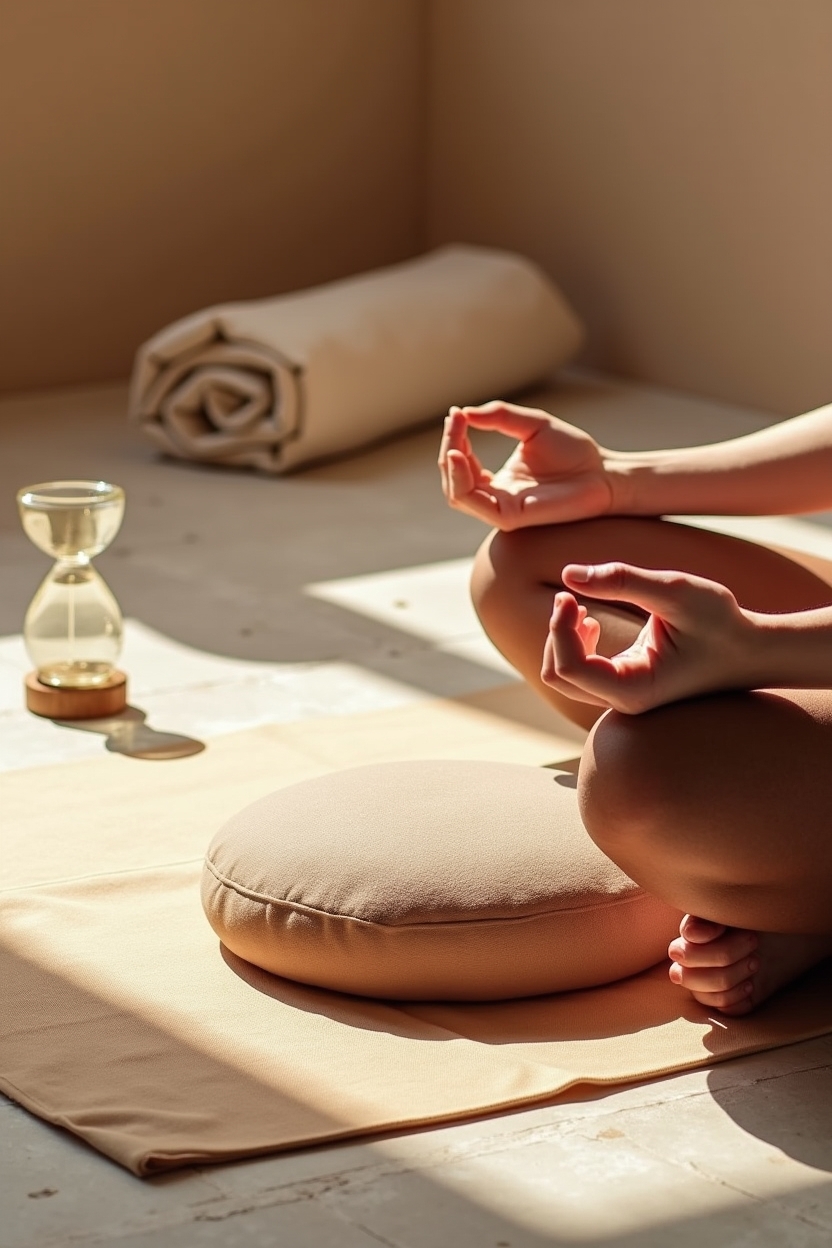
Choose a posture that communicates safety — seated with feet on the floor, supported by a chair or cushion, or lying down if that feels better. You don’t need exotic positions; comfort and alertness are the goal. Set a realistic length: 3, 5, or 10 minutes to start, building as you feel steady.
- Choose posture: chair, cross-legged, or lying on your back.
- Set a timer for 3–20 minutes depending on your availability.
- Begin with a few slow, attentive breaths to settle the nervous system.
Managing internal resistance
Resistance is normal — the mind resists being soft when it expects performance or punishment. Treat resistance like a guest: notice it, name it (e.g., ‘There’s the critic’), and invite curiosity rather than argument. Small acknowledgements — “I notice I’m avoiding” — reduce its intensity.
Core Practice — Step-by-Step: How to Practice Self Compassion Meditation for Self Love
Below is a graduated 5-step sequence you can follow. Each step includes the reason it helps (Why) and a simple instruction you can use right now (How). Move at your own pace and adapt any cue to feel natural.
Step 1 — Soften and ground (Why + How)
Why: Grounding calms the nervous system and makes kind attention possible. When you feel centered, compassion feels less foreign.
How: Begin by settling into your chosen posture. Take three slow breaths in through the nose and out through the mouth or nose — whichever is easier. Soften the jaw, let the shoulders drop, and rest your hands somewhere supportive. If your attention drifts, gently bring it back to the breath without scolding.
Step 2 — Speak or imagine kind phrases (How: examples) — how to practice self compassion meditation for self love
Why: Kind phrases cue soothing neural networks and alter the inner narrative; words shape felt experience. Saying a simple phrase grounds compassionate attention and interrupts habitual self-criticism.
How: Choose one short phrase you can repeat silently or aloud. Examples: “May I be kind to myself,” “I am doing my best,” or “This is hard — I’m not alone.” Use first-person phrasing for intimacy, or neutral phrasing if direct self-address feels too intense. Repeat the phrase slowly, matching it to your breath, and notice any sensations that arise. If resistance appears, soften to curiosity: “What does this phrase land like in my body?”
- First-person example: “May I be gentle with myself.”
- Neutral example: “May one be fed with care.”
- Short cue for chair practice: “Kindness now.”
Step 3 — Remember common humanity (How + example)
Why: Feeling isolated magnifies suffering. Remembering common humanity connects you with others and reduces self-blame.
How: Bring to mind a simple reminder: ‘Many people feel this way’ or picture someone you care about who has struggled similarly. Imagine them receiving compassion, then broaden that feeling back to yourself. You can visualize a shared landscape — a room or a quiet path — where many human hearts are gathered, each carrying difficulty.
Step 4 — Soften toward physical sensations (How)
Why: Emotions live in the body. Bringing compassionate attention to sensations helps them move rather than being held by judgment.
How: Notice where in the body an uncomfortable feeling sits. Breathe toward that place and silently offer a kind phrase there: “May this be held gently.” If the area feels intense, imagine a warm, steady hand resting lightly or your own hands providing support. Stay as long as feels safe, then move attention back to breath.

Step 5 — Closing the practice (How)
Why: A gentle close helps the nervous system integrate the practice and carry its tone into the next moments.
How: Before opening your eyes or moving, place a hand on your heart or belly and take two grounding breaths. Set a small intention for the next hour — for example, ‘I will pause before responding’ — and jot one line in a journal if you have time: what you noticed, what helped. Rise slowly, keeping the kindness you cultivated.
- Place a hand on your heart and breathe twice.
- Set a gentle intention for your next hour.
- Optional: write one observation in a journal.
Variations, Short Practices, and Troubleshooting
Adaptations make this practice useable across busy days and different emotional states. These variations include tiny rituals, longer scans, and tools for when the inner critic takes over.
A 1–3 minute micro-practice
When time is scarce, micro-practices maintain the thread of compassion. They are meant to be repeated often and felt immediately.
How: Pause wherever you are. Take one slow breath in, one long breath out, and say a one-line phrase (e.g., “May I be gentle”). Keep it to three breaths total. Even this small act shifts tone.
- Stop and ground for one breath.
- Intentionally soften shoulders and jaw.
- Repeat a one-line kind phrase for two more breaths.
A guided body-scan with compassion
Why: A compassionate body-scan helps you practice bringing kindness to sensation and noticing habitual tension.
How: Spend 10–15 minutes moving attention slowly through the body from feet to head. At each area, notice sensations without needing to change them. Offer a brief phrase at places of tension — “May you be cared for” — and pause longer where the body asks for it. Slow the pace and breathe into difficult spots.
When self-criticism hijacks the practice (tips)
Harsh inner voices are common — they often surface when you try to be kind. The approach is not to silence them forcefully but to meet them with curiosity.
How: Name the voice (“that’s the critic”), thank it for trying to protect you, and redirect attention to a single compassionate cue (a phrase, your breath, or a hand on heart). Repeating a short, neutral phrase like “I notice” removes fuel from the critic.
- Name the voice: “That’s the critic.”
- Acknowledge its intent and offer a brief thank-you.
- Return to a single, easy cue: breath or phrase.
Using touch and posture for safety
Why: Gentle touch or supportive posture signals safety to the nervous system and can anchor compassion when feelings are intense.
How: Try hand-on-heart, cradle your face, or wrap your arms around yourself in a light hug. If lying down, place a rolled blanket under the knees. These small somatic supports are tools — they don’t force emotion but make it safer to be present with it.
Bringing Self-Compassion into Daily Life
The meditation is a seed — you cultivate it by integrating simple practices into your routine. Below are practical micro-habits and cues to make compassion habitual.
Compassionate check-ins and micro-habits
Micro-habits keep kindness alive between formal practices. A morning phrase, a pause before sending an email, or a compassion break during a stressful meeting are all ways to practice.
How: Choose one micro-habit to try for a week: a morning phrase, a midday hand-on-heart, or a 60-second pause before checking messages. Keep it tiny so you sustain it.
- Morning phrase: “May I be kind today.”
- Pause-before-email: one grounding breath.
- Compassionate break: hand-on-heart for 60 seconds.

Using reminders and anchors
Reminders help the mind remember its new patterns. Use objects, routines, or phone alerts as non-judgmental anchors that cue a moment of care.
How: Place a small stone, bracelet, or sticker where you’ll see it. Each time you notice the object, take one breath and offer a short kind phrase. Over time, your nervous system learns the association and you’ll get gentler automatically.
When to seek additional support
Self-compassion meditation is powerful, but sometimes difficulties are deep or linked to trauma. If practicing brings overwhelming panic, dissociation, or persistent destabilization, additional support is wise.
How: Consider reaching out to a therapist, a trauma-informed teacher, or a supportive group. These resources can provide containment and personalized guidance so your practice becomes reliably helpful.
Resources, Next Steps, and a Short Practice to Try Now
If you want to go further, approachable books and gentle guided recordings can be steady companions. Below you’ll find curated suggestions and a short 5-minute script you can use right away.
Suggested reads and guided practices
Look for teachers who emphasize practical, trauma-aware guidance. Books and recordings that balance warmth with clarity are best for building a reliable habit. Also, exploring different formats (audio, short scripts, group sessions) helps you find what resonates.
Note: If you’re searching specifically for self compassion meditation techniques, prioritize short, repeatable scripts and body-based cues — these are easiest to apply in daily life.
- Kristin Neff — practical, research-backed tone, good for beginners.
- Tara Brach — gentle, reflective meditations and talks.
- Short guided audios — look for 5–12 minute tracks that focus on kindness.
5-minute script to practice today — how to practice self compassion meditation for self love
Begin seated with feet on the floor. Take three slow, grounding breaths. Place one hand on your heart if that feels safe.
Say silently: “May I be kind to myself in this moment.” Repeat this phrase on the in-breath and out-breath for one minute. Let attention rest on any sensations that appear; breathe toward them and imagine warmth there. Remember: you are not alone in struggle. Finish with two deep breaths and a gentle intention for the hour.
- Settle into posture and take three grounding breaths.
- Place hand on heart and repeat: “May I be kind to myself.”
- Breathe into sensations, then close with two deep breaths and an intention.
7-Day Self-Compassion Micro-Practice Worksheet
A printable 7-day tracker with two short scripts (1-minute and 5-minute) and space for brief reflections to support a gentle, daily practice.
Download the Worksheet
Final Thoughts
Small, steady practices change the inner tone over time. Self-compassion isn’t just a kindness technique — it’s a way of relating that supports resilience, clearer choices, and kinder relationships. Take one small step today: try the 5-minute script or the micro-practice, and let curiosity guide you.