How to Practice Third Eye Meditation for Sleep: A Gentle Guide
If you’ve found yourself awake with a busy mind as night falls, learning how to practice third eye meditation for sleep can offer a soft, focused way to shift your attention and invite rest. Imagine a quiet point of gentle attention between the brows that gives your nervous system an anchor — this guide walks you through the basics, practical preparation, step-by-step routines, troubleshooting, and ways to weave the practice into your bedtime.
This is for you if you’re already on a wellness path and want a simple, accessible tool to calm the mind before sleep. The practice is subtle, non-dramatic, and adaptable — kindness to your nervous system is the whole point.
What is third eye meditation and how to practice third eye meditation for sleep
A gentle understanding of the focal point and why directing attention there can help prepare your body and mind for rest.
Third eye (ajna) in simple terms
The third eye is commonly described as a point of inner focus at the space between the eyebrows. In Sanskrit this center is called **ajna (third eye)** — a word that simply names a place of attention rather than a mysterious power.
Physiologically, directing your attention softly toward a small focal point helps reduce scattered thinking because attention is a resource. When you practice bringing attention to that inner spot you create a stable anchor for your awareness, which calms cognitive activity and supports the transition toward sleep.
Think of the third eye not as something mystical you must “see” but as a gentle interior cue that helps you move from doing to being — quieting the mind and signaling safety to your nervous system.
How focusing the third eye supports relaxation
Focusing at the third eye works through a few supportive mechanisms. First, it gives your attention an anchor — when the mind drifts, you can return to the subtle point rather than following chains of thought. This repeated return gradually lowers mental reactivity.
Second, the practice naturally couples with slower breathing. When breath deepens and lengthens around a single point of attention, vagal tone increases and the body shifts into a parasympathetic state — the branch of the nervous system that favors rest and digestion. Over time this pairing is why you may notice third eye meditation benefits for insomnia: nights become less frenetic and falling asleep feels more natural.
Lastly, the sensory experience is mild and non-arousing. Unlike imagining vivid images or replaying stories, the third eye focus is a soft, present-centered cue that doesn’t stimulate the imagination in ways that keep you awake.
Who should try this and safety notes
Third eye meditation is broadly accessible but not universal. If you have a history of complex trauma, dissociation, or certain neurological conditions such as seizure disorders, intense inward focus can sometimes be destabilizing. In those cases, prefer externally anchored or body-oriented sleep practices and consult a clinician or experienced meditation teacher first.
If you notice persistent emotional flooding, vivid intrusive imagery, or strong head pressure during practice, pause the technique and try simpler grounding methods — a body scan, guided breath work, or a mindful walk are safer starting points. You can also shorten sessions and practice with supportive posture.
Remember: any meditation that causes distress should be adjusted. Safety and feeling steady come before deepening technique.
Preparing your space and body for third eye sleep meditation
A low-effort bedtime setup makes the practice more likely to feel restful and achievable — think dim, warm, and soft rather than perfect.
Comfortable postures for bed and floor
You can practice the third eye focus lying down or sitting — choose what helps you stay relaxed without tensing. Lying on your back with a small pillow under your head and another under your knees often makes the body feel supported and reduces lower-back tension.
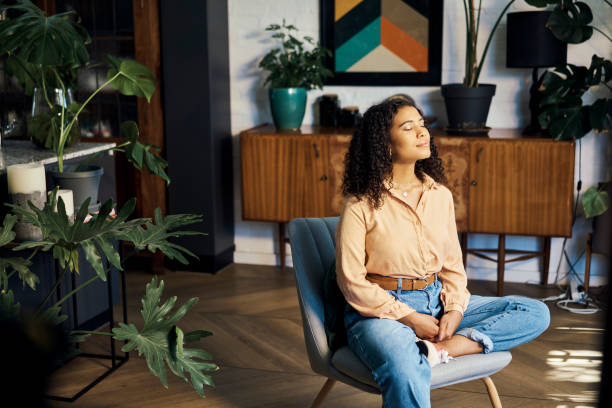
If sitting, use a chair with a back or sit cross-legged on a cushion; allow your spine to be gently upright but not rigid. A folded blanket beneath the sit bones or a small bolster behind the lower back gives quiet support so you can soften into the practice.
If you find yourself falling asleep immediately when lying flat and you want a fuller meditation before sleep, try a semi-reclined position (like savasana with a bolstered upper body) to balance alertness and relaxation.
- Lying on your back with pillow under knees — good for immediate bedtime practice
- Semi-reclined with bolsters — gentle balance of rest and wakefulness
- Supported seated on cushion or chair — for shorter practices or if you wake mid-night
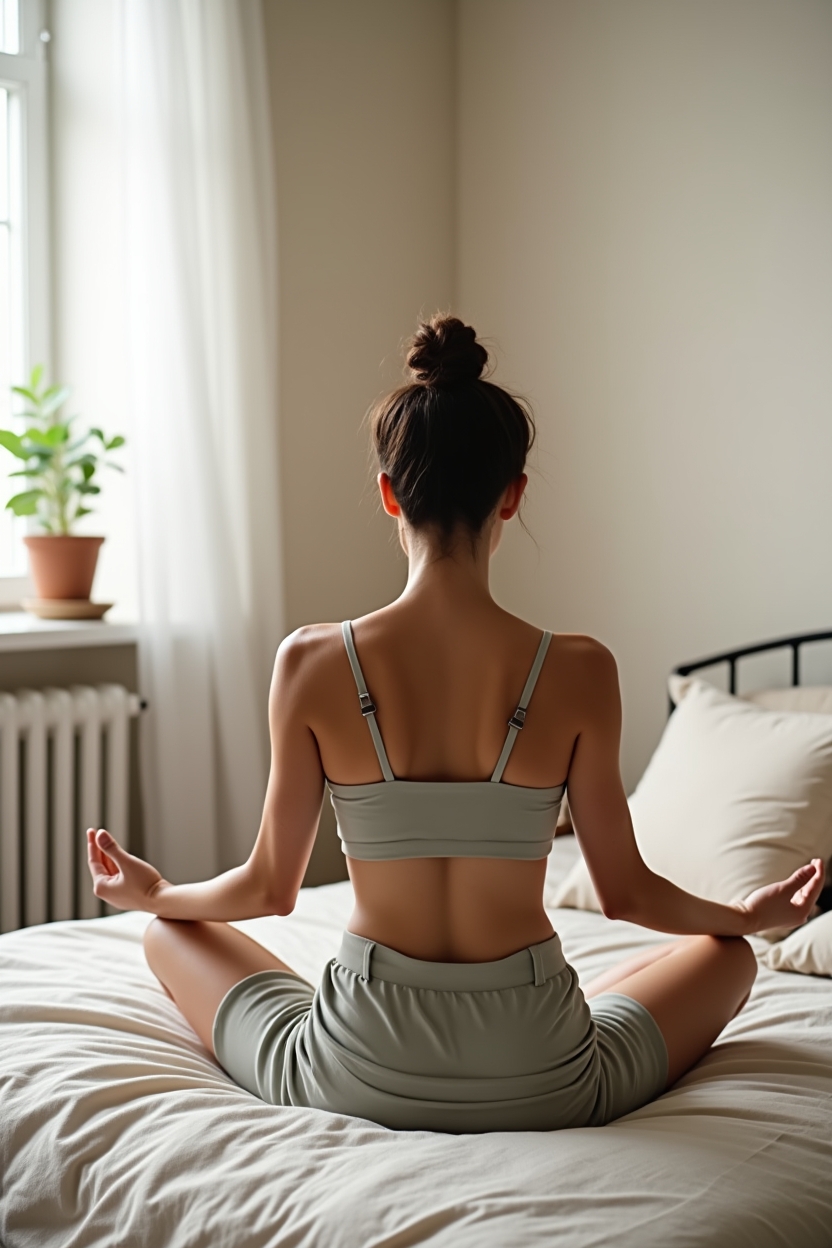
A simple pre-meditation breath and relaxation mini-routine
Begin by softening the jaw and shoulders, then take three slow, intentional breaths to cue the nervous system that you’re shifting toward rest. Use longer exhales than inhales — for instance, a 4-count inhale and a 6-count exhale — to stimulate the parasympathetic response.
Next, move through a quick body-scan release: notice and invite relaxation into your feet, calves, thighs, hips, belly, chest, hands, arms, shoulders, neck, and face. Each time you notice tension, breathe into it and let the exhale carry a little more release.
This brief routine only takes a couple of minutes but it anchors the practice and signals that the focus at the third eye is coming next.
- 3 slow full breaths, exhale longer than inhale (4 in, 6 out)
- Slow body-scan from feet to face, inviting release at each area
- Settle into chosen posture and rest hands comfortably
Lighting, sound, and timing for best results
Dim lighting and a blue-light curfew (30–60 minutes before bed) will support melatonin and make it easier to relax. Choose warm, low light or candle-like lamps if you enjoy a visual anchor, but avoid bright screens during this window.
Quiet or soft ambient sound is helpful; a low-volume sound machine, gentle white noise, or a calming playlist can create a predictable auditory backdrop that signals bedtime. Keep volume low — the aim is subtle support, not stimulation.
For beginners, 10–20 minutes is a generous window. Shorter 5–10 minute practices work well too; consistency matters more than long sessions. Try the practice at roughly the same time each night to build a reliable cue for sleep.
- Dim lights 30–60 minutes before bed
- Use soft ambient sound or silence — avoid stimulating music
- Start with 10–20 minute windows; 5–10 minutes is fine for busy nights
Step-by-step: how to practice third eye meditation for sleep
A clear sequential practice you can follow; three variations let you choose a 5-, 10-, or full bedtime ritual.
Step 1 — Ground and soften (Why + How)
Why: Grounding helps settle the body so attention can rest without getting pulled by restlessness. A relaxed body communicates safety to the brain and supports sleep onset.
How: Begin with a few anchoring breaths, then perform the short body-scan release described earlier. Bring awareness to contact points — the back of the head on the pillow, the weight of the pelvis, the soles of the feet — and soften those areas with each exhale. If your mind is busy, name the tension gently (“tight,” “busy”) and breathe toward it.
This step usually takes 1–3 minutes and readies both body and attention for the third eye focus.
Step 2 — Anchor attention at the third eye (How)
How to locate the point: bring your inner gaze to the small space between your eyebrows, just above the bridge of the nose. You don’t need to strain your physical eyes — the focus is internal, a soft sense of attention rather than a hard stare.
Use a subtle gaze or inner visualization: imagine a dim, steady point of light, a soft warmth, or simply sense the center as a quiet listener. Keep the musculature of the forehead relaxed; the focus is about attention, not tension.
If you prefer an external cue, place a faint mark (a small sticker) on a nearby object at eye level and then shift to the internal point — but the aim is always gentle, non-forceful attention.
Step 3 — Breathe with the focus (How)
Pair the third eye focus with slow, rhythmic breathing. Start with a comfortable count — for example, inhale for 4, pause briefly, exhale for 6 — and let the breath flow naturally without pushing.
Another gentle rhythm is coherent breathing: five breaths per minute (inhale 5 seconds, exhale 7 seconds with a soft transition), which reliably calms sympathetic arousal. Keep the breath nasal and unforced; the sensation of the breath can itself be an additional anchor.
If thoughts distract you, return to the pairing: feel the third eye point and note the breath pattern together. This coupling is a powerful way to down-regulate the nervous system.
- Start with a 4:6 inhale-exhale ratio for calming
- Or try coherent breathing at ~5 breaths per minute
- Keep breath gentle and pair each inhale/exhale with the third eye focus
Step 4 — Release and transition to sleep (How)
How you finish matters: aim for a fading rather than a sudden stop. After your final cycle, let the internal point soften and broaden into a sense of spacious awareness across the forehead and face.
If you’re already lying down for sleep, allow the breath to become natural and let your attention expand to the whole body-sense. Keep hands and face relaxed. If you were sitting and plan to lie down afterward, slowly shift posture with eyes closed, maintaining the calm you cultivated.
If you feel sleepy right away, yield to it. If you need to remain awake for a moment, open your eyes softly and place gentle attention on the breath before rising.

Three quick variations: 5-, 10-, and 20-minute routines
Choose the length that fits your evening. The 5-minute version is a compact reset: brief grounding, a short anchor at the third eye with paired breaths, and a soft release. It’s perfect for tired nights or when you want a simple cue to sleep.
The 10-minute routine allows a fuller body-scan, longer focused breathing cycles, and a more settled transition. Use it on most nights as a reliable habit. The 20-minute bedtime ritual is best when you have time to explore the practice more deeply, including a slow progressive relaxation followed by sustained third eye focus and extended coherent breathing.
Each variation ends with the same gentle fade: allow the focus to broaden and the breath to normalize as you drift toward sleep.
- 5-minute: 1 min grounding, 3 min ajna focus + breath, 1 min release
- 10-minute: 2 min grounding, 6 min ajna focus with coherent breathing, 2 min release
- 20-minute: 4–6 min grounding and body-scan, 12 min focused practice with varied breath, 2–4 min slow broader awareness
Common challenges and gentle troubleshooting
Small hurdles are normal. These gentle pivots keep the practice supportive rather than frustrating.
What to do when the mind races
Racing thoughts are an expected part of calming the mind — they mean your attention is learning a new habit. When this happens, use a practical pivot: label the thought briefly (“planning,” “worry”) and then return to the breath and third eye anchor.
Another useful approach is the breath-count reset: count backward from five on the exhale, then resume the anchor. Counting is tactile and simple, and it prevents you from getting pulled into storylines.
If racing thoughts persist, shorten the session and focus on body-sensation for a bit longer before returning to the third eye. The aim is to be kind and realistic with timing.
- Label intrusive thoughts briefly and let them pass
- Use a backward breath-count reset to regain focus
- Return to bodily sensations if thinking escalates
If you get sleepy — lean in or pause?
Sleepiness during practice is not a failure; it’s often a sign the body was ready for rest. If your goal is to fall asleep, allow yourself to lean in and drift off. The practice has done its job.
If you intended to stay awake for a longer meditation, change posture to sitting and increase alertness slightly — open your eyes softly or sit up straighter. Alternatively, move the practice earlier in your evening to maintain wakeful presence.
Over time you’ll learn whether dozing is a helpful nightly cue or a signal to modify timing.
Dealing with strong imagery or emotional release
Sometimes inward focus stirs vivid images or emotions. If this happens, ground with the body-scan and widen your attention to the breath and physical sensations. Naming emotions (“sadness,” “fear”) without judgment can reduce their intensity.
If emotional material keeps arising, shorten sessions and pair your practice with supportive container activities — journaling after meditation, a gentle walk, or speaking with a therapist or experienced teacher. Persistent or intense release warrants professional support.
Remember that gentle curiosity and stable support are the healthiest responses — you don’t need to work through deep material alone within a bedtime routine.
Integrating third eye meditation into a sustainable sleep routine
Small, repeatable steps make the practice a lasting habit without pressure.
Nightly anchors and habit-friendly prompts
Stack the practice onto an existing habit: for example, after brushing your teeth, take three breaths and then do a 5-minute third eye focus. Tiny, consistent pairings are easier to maintain than dramatic nightly commitments.
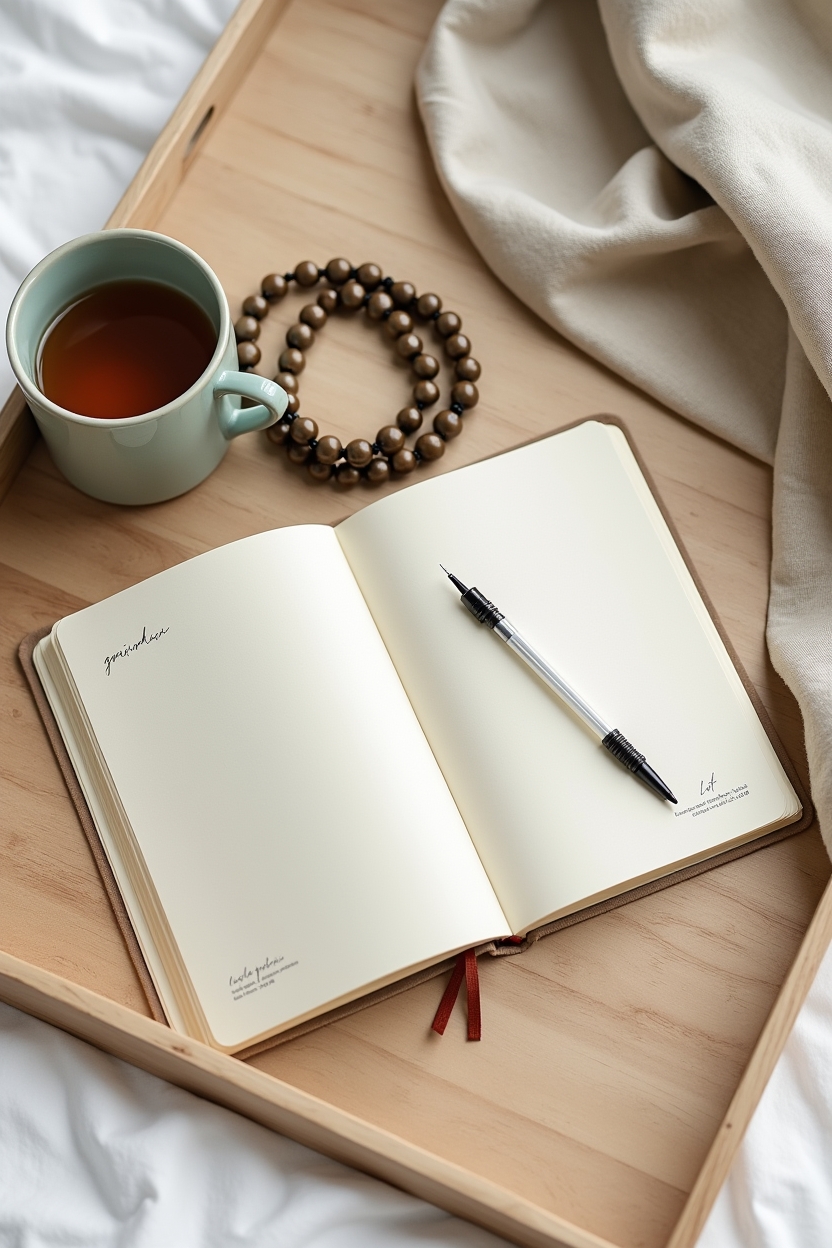
Use simple prompts: dim the lights, set a soft timer, or place a small notecard on your bedside that reads “3 breaths → 5 minutes.” Track short wins in a habit journal — note the day, duration, and one-word mood to build momentum.
Gentle accountability — a weekly check-in with a friend or a calm reminder in your calendar — helps without turning the practice into a chore.
- Habit stack: after teeth → 3 breaths → 5-min practice
- Use a bedside card or soft timer as a prompt
- Track brief nightly notes to notice progress
Combining with other sleep-supportive practices
Third eye meditation pairs well with gentle movement and reflective practices. A short evening yoga sequence or restorative stretch before the practice relaxes the body so attention can settle more easily.
Light journaling — a three-item gratitude or “brain dump” list — helps clear active thoughts before you begin third eye focus. You can also follow the meditation with a slow body scan for an even deeper unwind.
Mix and match in ways that feel sustainable; the goal is a calm pre-sleep architecture rather than a rigid checklist.
- Gentle restorative yoga or stretching (5–10 minutes)
- Brief journaling to offload racing thoughts
- Follow-up body scan if you want extended relaxation
When to seek extra help
If poor sleep persists despite consistent meditation and lifestyle changes — difficulties lasting months, daytime impairment, or worsening mood — consult a primary care provider or sleep specialist. Chronic insomnia and some mood disorders benefit from targeted therapies like cognitive behavioral therapy for insomnia (CBT-I) or professional mental health support.
If meditation triggers ongoing emotional release or dissociation, prioritize therapeutic support and inform a clinician about the practices you’re using. A teacher familiar with trauma-informed meditation can provide safer alternatives.
Seeking help is a strong, wise step — it complements your self-care rather than replacing it.
Download the Third Eye Sleep Practice Worksheet
A one-page printable with 3 quick routines (5/10/20 min), a simple checklist, and nightly log prompts to help you practice with ease and consistency.
Get the worksheet
Final Thoughts
Third eye meditation for sleep isn’t a magic quick fix — it’s a gentle, reliable tool you can add to your evening practice to encourage calm and smoother nights. With small, compassionate steps and regular practice you may notice the third eye becoming an easy anchor that helps quiet the mind.
Try the short routines, experiment kindly, and remember that benefits accrue through consistency. If you’d like a simple prompt to get started tonight, the worksheet offers three versions to match your time and energy — and a place to notice what shifts.