Yoga for Lymphatic Health: Flowing to Detox and Restore
Understanding the Lymphatic System (and Why Movement Matters)
The lymphatic system is one of the body’s most important yet under-discussed systems. It acts as a drainage and immune network, helping remove waste, toxins, and excess fluid from tissues while supporting immune defense.
Unlike the circulatory system, the lymphatic system does not have a central pump like the heart. Instead, it relies on muscle contraction, breath, and movement to circulate lymph fluid.
This is where yoga becomes especially powerful.
Through intentional postures, rhythmic breathing, and gentle compression/expansion of tissues, yoga helps stimulate lymph flow and encourages the body’s natural detoxification processes.
How Yoga Supports Lymphatic Drainage
Yoga enhances lymphatic health through four key mechanisms:
Muscle activation – contractions act like a pump for lymph movement
Inversions – gravity assists drainage toward lymph nodes
Twisting postures – compress and release internal organs and lymph pathways
Deep breathing – diaphragmatic movement directly stimulates lymph flow in the chest and abdomen
When combined, these elements create a powerful internal “massage” for the lymphatic system.
Best Yoga Styles for Lymphatic Health
Not all yoga styles affect lymph flow in the same way. Some are especially effective for detoxification and circulation.
Vinyasa Yoga (Flow-Based Movement)
Vinyasa yoga links breath with continuous movement, creating rhythmic muscular contractions that support lymph circulation.
Why it helps:
- Continuous flow encourages full-body muscle engagement
- Builds internal heat, supporting detoxification
- Improves cardiovascular and lymphatic pumping action
Best for: Active lymph stimulation and full-body detox support
Yin Yoga (Deep Tissue Release)
Yin yoga involves long-held passive poses that target deep connective tissues, where lymph fluid often stagnates.
Why it helps:
- Applies gentle pressure to fascia and lymph pathways
- Encourages stillness, allowing fluid redistribution
- Reduces stress, which indirectly supports immune function
Best for: Slow detox, recovery, and deep lymphatic release
Restorative Yoga (Gentle Drainage & Relaxation)
Restorative yoga uses supported poses to fully relax the body, activating the parasympathetic nervous system.
Why it helps:
- Reduces stress hormones that can inhibit lymph flow
- Encourages diaphragmatic breathing
- Supports gentle circulation without strain
Best for: Stress-related stagnation and immune support
Kundalini Yoga (Breath-Centered Activation)
Kundalini yoga emphasizes breathwork (pranayama), spinal movement, and rhythmic activation.
Why it helps:
- Strong focus on breath stimulates lymph movement
- Repetitive movements create internal pumping
- Enhances energetic and physiological circulation
Best for: Energetic reset and respiratory-driven detox
Key Yoga Poses for Lymphatic Drainage
Below are some of the most effective yoga poses for stimulating lymph flow naturally.
Legs-Up-The-Wall (Viparita Karani)
One of the most powerful restorative inversions for lymphatic drainage.
How it helps:
- Uses gravity to move lymph from lower limbs toward the torso
- Reduces swelling in legs and feet
- Calms the nervous system
How to practice:
- Sit beside a wall and lie back
- Extend legs upward along the wall
- Relax arms and breathe deeply for 5–15 minutes
Downward-Facing Dog (Adho Mukha Svanasana)
A foundational inversion that engages nearly the entire body.
How it helps:
- Encourages lymph movement from legs and arms
- Stimulates lymph nodes in the armpits and neck
- Strengthens muscular pump effect
Key cue: Keep breath steady to enhance circulation benefits.
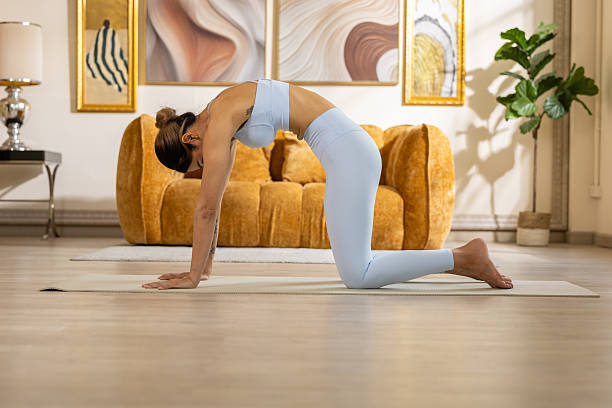
Cat-Cow Flow (Marjaryasana–Bitilasana)
A gentle spinal wave that massages internal organs.
How it helps:
- Stimulates lymph flow in the abdominal cavity
- Encourages diaphragmatic breathing
- Supports spinal fluid movement and detox pathways
Twisting Poses (Seated or Supine Spinal Twist)
Twists are essential for internal compression and release.
How it helps:
- Compresses abdominal organs and lymphatic pathways
- Releases stored tension in digestive organs
- Enhances detoxification through organ stimulation
Best variation: Supine twist for deeper relaxation and longer holds.
Bridge Pose (Setu Bandhasana)
A gentle heart opener with lymphatic benefits.
How it helps:
- Opens chest and stimulates thoracic lymph flow
- Engages glutes and legs for circulation support
- Supports thyroid and chest region drainage
Child’s Pose (Balasana)
A grounding posture that supports lymph flow through relaxation.
How it helps:
- Gently compresses abdomen and chest
- Promotes relaxation of the lymphatic system
- Encourages deep, slow breathing patterns
Breathwork: The Hidden Key to Lymphatic Health
Breath is one of the most important drivers of lymph movement.
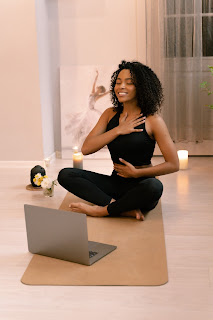
Diaphragmatic Breathing (Essential Practice)
- Inhale deeply into the belly
- Expand ribs outward
- Exhale slowly, allowing full release
This creates pressure changes in the thoracic cavity that act like a pump for lymph fluid, especially around the chest and neck.
A Simple 15–20 Minute Lymphatic Yoga Flow
You can combine these elements into a short daily practice:
- Cat-Cow – 2 minutes
- Downward Dog – 1 minute
- Standing forward fold – 1 minute
- Gentle twists – 2–3 minutes
- Bridge pose – 2 minutes
- Legs-up-the-wall – 10 minutes
- Deep breathing in stillness – 2–3 minutes
This sequence balances activation and restoration for optimal lymphatic support.
Final Thoughts
Yoga is uniquely suited to support lymphatic health because it works with the body’s natural systems rather than forcing them. Through movement, breath, and stillness, you create the conditions for improved circulation, reduced stagnation, and enhanced immune function.
The key is consistency—not intensity.
Even 10–15 minutes a day of intentional practice can help the body feel lighter, clearer, and more regulated over time.