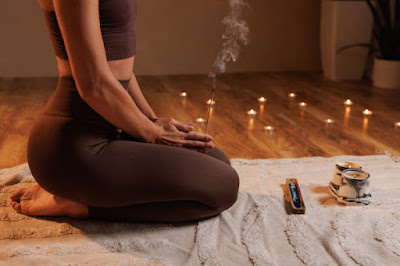
How to Practice Mantra Meditation for Self Love: A Simple, Gentle Guide
If you’re looking for a clear way to bring more kindness to yourself, this guide will teach how to practice mantra meditation for self love with accessible steps and grounded examples. Whether you’re new to meditation, have a busy mind, or simply want more emotional resilience, you’ll find short practices, scripts, and gentle adaptations here.
You will find: why mantra work supports inner change, how to prepare a safe and simple space, a step-by-step session you can follow now (including an example 8-minute script), troubleshooting, and everyday ways to weave this practice into your life. The aim is practical—small repeated actions that cultivate steady care rather than performance or perfection.
Why Mantra Meditation Supports Self-Love
Mantra meditation isn’t just repeating words—it’s a gentle retraining of your mind and nervous system. Below we look at how simple repetition, breath, and attention shift patterns of stress and self-talk.
The neuroscience and nervous-system benefits
When you repeat a calming phrase with slow breath and focused attention, several things happen at once: your breath lengthens, heart rate variability improves, and the brain’s threat responses quiet. This combination creates space—space where habitual self-criticism can’t immediately cascade into panic or shame.
Repetition helps by strengthening neural pathways associated with a different response. Over time, the brain builds ease around kinder inner language and calmer physiology. That doesn’t mean harsh thoughts disappear; it means you give your system a practiced alternative that becomes easier to access when you need it.
How mantra shapes inner language and identity
A mantra is more than a slogan. Think of it as a repeated seed—short, steady phrases that, over time, reshape the way you speak to yourself. If you repeatedly offer ‘May I be gentle with myself,’ you begin to notice how that phrasing softens the voice that usually criticizes.
This happens through subtle shifts: the phrase can interrupt a negative loop, offer new vocabulary for experience, and provide a felt sense that aligns with the idea. Using small, believable steps keeps the practice grounded; radical statements can feel false and create resistance, while gradual truths invite change.

Who can gain the most from this practice
Mantra meditation is broadly accessible: beginners benefit from the structure of repeating words, and experienced meditators often appreciate the emotional re-tuning. People with busy minds find the rhythm of a mantra gives the mind an approachable object to return to without harsh self-judgment.
A note on trauma: loving phrases can sometimes surface strong feelings. If you have a trauma history and find self-directed phrases destabilizing, adapt the wording (see ‘When a mantra feels false’) or practice with a trauma-informed teacher. The goal is safety first—your nervous system’s capacity should guide the pace.
Preparing to Begin: Setting Intention and a Safe Space
Preparation is simple but meaningful. Small cues—a chair you use only for practice, a short ritual—help your nervous system recognize this as a time of care.
Choosing a time and place
Short, regular sessions often beat occasional long ones. Even five minutes daily creates momentum. Choose a predictable window—morning stillness, a midday pause, or the moment before sleep—and protect it like an appointment with yourself.
If mornings feel impossible, pick transitions: right after brushing your teeth, before your first meeting, or when you sit down to lunch. The point is consistency more than length. A dedicated corner or a familiar chair acts as an environmental cue that settles you.
Posture, breath, and creating safety
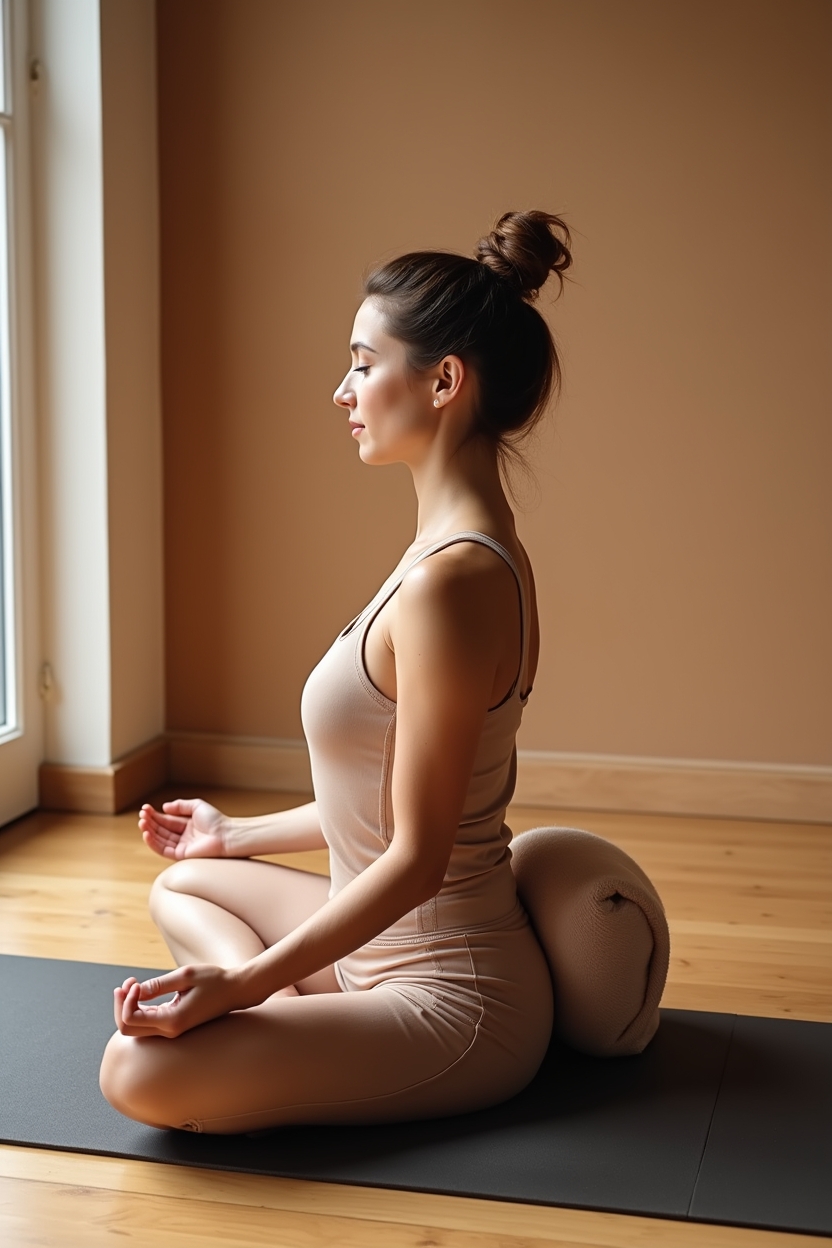
Comfortable posture is key. You can sit upright on a cushion, rest back in a chair with feet on the floor, or lie semi-reclined. What matters is that your body feels supported and you can breathe smoothly.
Use a simple breath rhythm to begin: inhale for four counts, pause one, exhale for six. This longer exhale calms the nervous system. Add a micro-ritual—a hand on heart, lighting a candle, or saying your intention aloud—to signal that this is a time of self-care.
Intention-setting: what ‘self-love’ can mean for you
Before you begin, clarify what self-love actually looks like for you. It might mean patience with your mistakes, tending to physical needs, or listening without judgment. Framing it in concrete, small terms makes the practice feel practical instead of abstract.
Try brief journaling prompts: ‘What do I need right now?’ or ‘How would I care for a friend in my situation?’ Your answers can seed your mantra and keep the work rooted in everyday compassion.
How to Practice Mantra Meditation for Self Love: A Step-by-Step Session
Here is a clear session you can follow now—four steps with timing suggestions and short scripts. This section shows how to practice mantra meditation for self love in a way that’s grounded and practical.
Step 1 — Centering (2–3 minutes)
Why: Centering helps settle the nervous system so the mantra lands more softly. By directing attention to breath and body first, you reduce the pull of scattered thoughts.
How: Begin with a soft inward gaze or closed eyes. Breathe slowly: inhale for four, exhale for six. Sense the weight of your body and place one hand gently over your heart. You can say quietly to yourself: ‘I am here now. I am breathing.’ Stay with this for two to three minutes, allowing the body to relax before moving into the mantra.
Step 2 — Choosing and testing a self-love mantra (how to practice mantra meditation for self love)
Why: The right words feel believable and carry an emotional tone that fits your present capacity. Alignment between phrase and felt sense makes the practice sustainable.
How: Try several short phrases aloud and silently to see what lands. Examples: ‘I am enough,’ ‘May I be kind to myself,’ ‘I am learning to be gentle.’ Say each once and notice the felt reaction in your body. If a phrase feels too grand or false, soften it: ‘I am open to kindness’ or ‘May I try to be kinder today.’ Choose one that offers warmth without forcing belief.
Step 3 — Repetition with breath (5–15 minutes)
How: Coordinate the mantra with your breath. Many people find repeating the phrase on the exhale feels grounding; others prefer saying half on the inhale and half on the exhale. Use a pace that matches your breath—slow, soft, and unhurried.
If the mind wanders, gently return to the mantra without judgment. You can count silently: one repetition per breath cycle or three breaths per repetition. The structure is less important than PERSISTENT KINDNESS—returning to the phrase with patience whenever you drift.

Step 4 — Closing: integration and one-minute reflection
Why: A gentle close helps the nervous system register the practice and carry its tone into the next moments. Abruptly stopping can erase subtle benefits.
How: Slow your repetitions and let the mantra fade. Rest for a minute in silence, bring awareness to your body, and note any changes in temperature, tension, or emotion. End with a short anchoring phrase—’May I carry this kindness’—and open your eyes when ready.
Example 8-minute practice (scripted)
Use this follow-along script when you want a ready-made session. Adjust timing to suit you.
Begin: Sit comfortably. Hands rest on your thighs. Close or soften your gaze. Take three slow breaths: inhale four, exhale six.
Center (2 minutes): Place one hand over your heart. Say silently, ‘I am here. I am breathing.’ Notice the weight of your body.
Mantra (5 minutes): Choose: ‘May I be kind to myself.’ On the inhale, breathe in calm; on the exhale, repeat the phrase once. Continue at a steady, unhurried pace. If thoughts come, label them ‘thinking’ and return to the breath and phrase.
Close (1 minute): Let the mantra grow quieter. Rest in silence. Notice one small shift—softness in the jaw, ease in the chest. Offer: ‘May I carry this kindness’ and open your eyes.
- Center: 2 minutes of breath and grounding
- Mantra: 5 minutes repeating your chosen phrase with the breath
- Close: 1 minute of silent integration
Choosing Mantras and Phrases That Truly Resonate
Words matter. The tone—gentle, neutral, or aspirational—changes how the practice feels. Below are types of mantras and ways to adapt them so they feel honest and helpful.
Types of mantras: affirmation, blessing, inquiry
Affirmations state a truth you want to embody—’I am enough’—and can build confidence with regular use. Blessings offer a softer, more spacious tone—’May I be at ease’—which suits tender moments.
Inquiry-style mantras invite curiosity rather than assertion: ‘What does kindness need now?’ Use inquiry when you want to explore rather than convince. Each type supports self-love differently; mix them to match your mood and needs.
Examples of self-love mantras and how to personalize them
Try these as starting points and change a word or two until they feel believable: ‘I am enough,’ ‘May I be kind to myself,’ ‘I am learning to rest,’ ‘I accept myself as I am.’
Personalize by softening absolutes (‘I am trying to be gentle’) or adding context (‘May I be kind to myself in this moment’). Small edits make a phrase inviteable instead of forcing belief. The secondary practice of mantra meditation for self-compassion pairs naturally here—use that phrase as a reminder that this is gentle training, not a test.
- “I am enough.”
- “May I be kind to myself.”
- “I am learning to rest.”
- “May I allow myself patience.”
- “I am open to small kindnesses.”
When a mantra feels false: alternatives and micro-steps
If a positive statement feels untrue, begin with neutral or proximal truths: ‘May I notice one kind thing’ or ‘I am willing to try.’ These micro-steps reduce resistance and build credibility over time.
You can also use progressive truths: ‘Today I will try to be kinder’ then ‘I notice kindness in my choices.’ The important thread is gradual trust—small believable statements lead to deeper acceptance.
Common Challenges and Compassionate Troubleshooting
Obstacles are part of practice. Here are kind, practical responses to familiar difficulties—ways to adapt without judgment.
If your mind keeps wandering
Wandering is normal. Treat it like a signal rather than a failure. Notice the drift, name it ‘thinking,’ and bring your attention back to the mantra and breath.
Practical tweaks help: shorten the phrase so it’s easy to repeat, use a tactile anchor (hand on heart), or set a gentle timer so you can relax into the structure without counting minutes in your head.
When practice brings up difficult feelings
Mantras can sometimes unearth sadness, anger, or grief. If strong feelings appear, pause the repetition and bring your attention to the body: feet on the floor, hands on the legs, steadying breaths.
If overwhelming material arises consistently, slow the practice or work with a therapist or trauma-informed teacher. Safety is primary: adjust wording, shorten sessions, or use grounding statements like ‘I am safe in this moment.’
Keeping practice sustainable—realistic frequency and duration
Start small and build consistency. Five minutes daily creates much more change than one long session a month. Celebrate the fact you returned to practice rather than focusing on perfection.
Track gently—use a simple calendar check or the downloadable two-week grid to notice progress. Life changes, and so will your rhythm; adapt rather than abandon, and allow seasons of lighter practice without shame.
Integrating Mantra Meditation for Self Love into Daily Life
The power of mantra practice is in regular, small moments. Below are practical, real-world ways to make the work feel natural rather than extra.
Micro-practices: 30–60 second mantras
Tiny practices fit into busy days and keep the tone of self-love alive. A single breath with a short phrase can tilt a moment: ‘May I be kind’ on a long exhale while waiting in line, or ‘I am enough’ as you step into a meeting.
These micro-moments are not lesser—they are seeds. Use them during phone waits, elevator rides, or while washing hands to remind your nervous system that care is available often.
- While waiting for coffee: one deep breath + ‘May I be kind.’
- Before a meeting: hands on heart + ‘I am enough.’
- At night: lying down, three breaths with ‘I am learning to rest.’

Rituals for mornings and evenings
Create routines that bookend your day. Morning ritual might be two minutes of centering and one repetition of your mantra to set intention. Evening ritual can be a short reflection—what went well—and a phrase like ‘May I rest well.’
Rituals anchor identity over time: you are someone who practices kindness. Keep them simple and flexible so they survive life’s interruptions.
Pairing mantra with movement, journaling, or breathwork
Combining practices deepens embodiment. Try a walking mantra: with each step, silently say two words of your phrase. Or write a mantra at the top of a journal page and free-write for two minutes about what it brings up.
Breathwork before mantra can increase openness. A brief diaphragmatic breath sequence primes the system so the words land with more felt sense. Choose combinations that feel nourishing, not exhausting.
Resources, Next Steps, and a Printable Practice Sheet
If you want to deepen the work, these curated ideas and the one-page worksheet offer direction and structure to grow your habit gently.
Suggested recordings and courses
Look for gentle guided practices that emphasize safety and slow pacing. Short audio tracks you can follow on a commute or in bed make practice accessible when motivation wanes. Teachers who blend breathwork with compassionate phrasing tend to be particularly helpful for cultivating self-love.
Seek offerings that focus on steady repetition and nervous-system regulation rather than intensive emotional processing unless you are working with a therapist.
How to deepen the practice over months
Gradually increase either frequency or length—choose one to grow slowly. For example, keep daily five-minute sits for a month, then add two minutes in the second month. Join a group or find a practice partner to sustain momentum and share gentle accountability.
Journaling themes—noticing shifts in self-talk, moments of ease, or resistance—help you see progress that isn’t always obvious in the moment.
Printable: one-page mantra meditation for self-love practice sheet
The printable worksheet is designed to be a pocket companion: an 8-minute scripted practice, ten sample mantras, quick troubleshooting tips, and a two-week tracking grid to support daily habit-building. It’s practical—use it to try the example practice today, tweak mantras, and note what feels different.
The sheet is meant to reduce friction: one page you can return to when you need a simple guide instead of decisions. Treat it as a supportive reminder that small consistent steps build kindness.
Download the One-Page Mantra Practice Sheet
A simple, printable guide: an 8-minute script, 10 sample self-love mantras, troubleshooting tips, and a two-week tracker to build a gentle daily habit.
Download the practice sheet
Final Thoughts
Small, consistent moments of care rewire your habits—we don’t become kinder to ourselves overnight, but steady practice makes kindness more available. Treat ‘how to practice mantra meditation for self love’ as a tool you can adapt, not a test you must pass.
Be patient and curious. Try the 8-minute script, adjust the words, and notice the small shifts. If the worksheet feels helpful, use it for two weeks and see what changes. The invitation is simple: keep returning to kindness.