Using the Wheel of Life for Year-End Self-Assessment and Goal Setting
What Is the Wheel of Life?
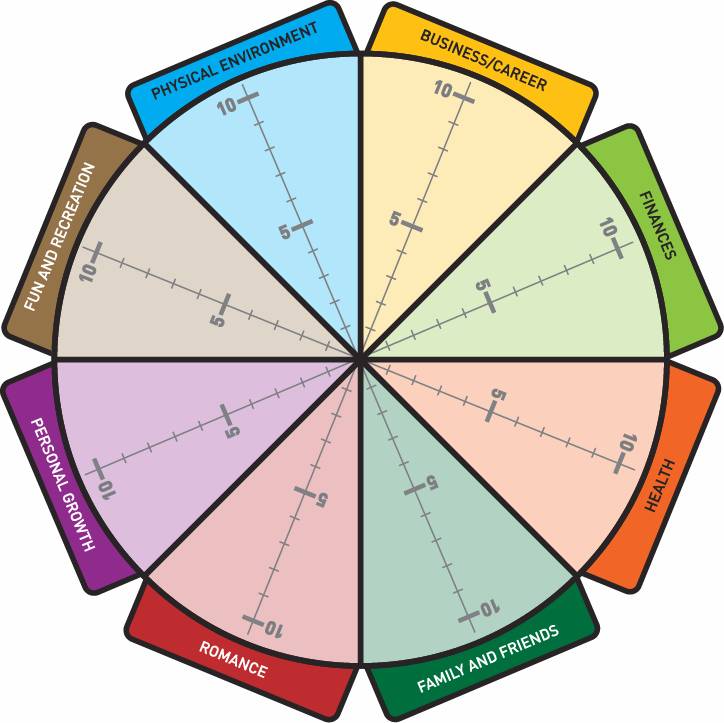
The Wheel of Life year-end review is a powerful self-assessment tool that helps you reflect on your life balance, identify gaps, and set intentional goals for the year ahead. Originally created by Paul J. Meyer, the Wheel of Life provides a visual snapshot of satisfaction across key life areas such as health, career, relationships, and personal growth.
Why use it at year-end? The end of the year is an ideal time to step back and take stock of the “big picture” of your life. After months of pursuing goals or just managing day-to-day responsibilities, your life might have tilted out of balance. The Wheel of Life gives you a “bird’s-eye view” of your overall life satisfaction going into the new year. This bird’s-eye perspective helps you celebrate the areas you’re doing well in, and pinpoint the areas that need growth or healing. Coaches often call this a personal “life audit” – it lets you honestly assess each aspect of life, rather than just making random resolutions. Armed with this insight, you can set meaningful, well-rounded goals that align with what truly matters to you, rather than the arbitrary goals we sometimes pick (and abandon) as New Year’s resolutions. In short, the Wheel of Life helps you design a more balanced, fulfilling life by making sure your goals for the next year address the right areas. As one expert notes, it provides a comprehensive view so you can create a plan that aligns with your core values and priorities.
How to Use the Wheel of Life for a Year-End Review (Step-by-Step)
Using the Wheel of Life for your year-end review and goal setting involves a few clear steps. Below is a step-by-step guide to reviewing the past year and planning the next using this tool:
1. Identify Your Key Life Categories
First, define the major life areas that are important for you. The traditional Wheel of Life has about 8–10 categories representing a well-rounded life. Common categories include things like: Health, Family & Friends, Romantic Relationship, Career, Finances, Personal Growth, Fun/Recreation, Physical Environment (home/work), and Spirituality/Purpose You can use a default set of categories or adjust them to fit your life – what matters is that they cover all the domains that contribute to a fulfilling life for you. (For example, some people might separate “Career” and “Education,” or add a category for “Community” or “Creativity” if those are significant in their life.) Choosing the right segments ensures your Wheel truly reflects your world. Remember, customization is key – you know best which areas make up a balanced life for yourself.
2. Rate Your Satisfaction in Each Area (Reflect on the Past Year)
Next, evaluate each life area on a scale from 1 to 10 based on your current satisfaction or fulfillment in that area. Here, 1 means “extremely dissatisfied” and 10 means “fully satisfied”. Since this is a year-end review, think about how this past year has gone in each domain. For each category on your wheel, ask yourself: How satisfied am I in this area of my life, considering the ups and downs of the past year? Be honest with yourself – the aim is to capture your gut-level feeling of fulfillment in each area, not what you (or others) think you “should” feel. Write down a number from 1–10 for each segment. For example: you might rate Health = 5 (maybe you struggled with exercise habits), Career = 8 (perhaps you got a promotion), Family = 7, Fun = 3, and so on. If needed, jot a quick note about why you chose each rating – e.g. “Fun = 3 because I barely took any time off this year.” This rating process gives you a concrete overview of how balanced or imbalanced your life has been. Pro Tip: Don’t overthink it – usually your first instinctive rating is accurate. The Wheel of Life works best when you trust your instincts about what’s satisfying or lacking in your life.
3. Plot Your Scores on the Wheel Diagram
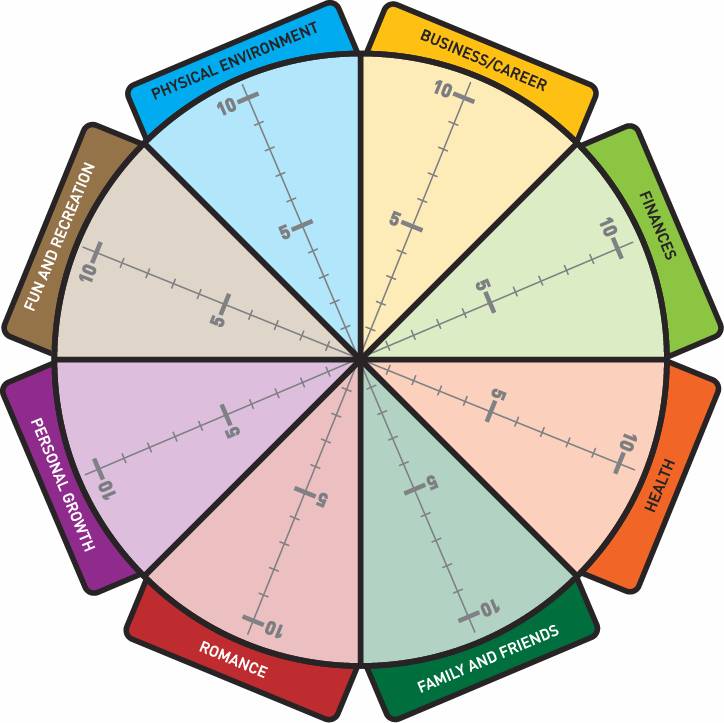
Now, transfer those ratings onto a Wheel of Life chart. If you have a printed template or drawing, mark each segment from the center (0) outward to the number you rated it. For instance, if you scored 7 in Career, you’d mark a point up to “7” on that slice. Once you mark all categories, connect the points around the circle. This creates a closed shape (often a very uneven one!). Take a look at the shape of your wheel: is it relatively round and balanced, or does it have spikes and dips? Ideally, a perfectly balanced life would look like a smooth, round wheel – but in reality, most of us have an uneven shape. Notice the highs and lows: Large “spikes” show areas where you’re quite satisfied, whereas deep “dips” highlight areas where you feel unfulfilled and might be neglecting needs. For example, if your Career segment reaches an 8 but Relationships is down at 4, the diagram visually flags an imbalance – perhaps career pursuits took time away from family or friends this year. The point of this visualization is to quickly diagnose which areas of life are out of sync. If this were a literal wheel on a cart, would the ride be smooth or bumpy? As motivational coach Tony Robbins quips, imagine your life-wheel is a tire on your car – if some sections are “flat,” the ride will get rough when you speed up. An uneven wheel isn’t a failure; it’s a clear illustration of where you may need more attention going forward.
4. Reflect on the Story Behind the Numbers
Scoring and plotting your wheel is just the starting point. The real insight comes from reflecting on why your wheel looks the way it does. Take some time to examine each area and ask yourself some probing questions:
- What contributed to my highest scores? For the areas where you rated yourself relatively high, consider what you did right this year. Perhaps your 8 in Career is due to obtaining a certification or taking on leadership roles – note those success factors.
- What led to my lowest scores? Look at the segments where you scored low and reflect on the challenges there. For instance, if Fun/Recreation was a 3, maybe you were working overtime and sacrificed hobbies and vacations. If Health was a 5, perhaps you stopped going to the gym or had high stress. Understanding the whybehind low satisfaction is key to changing it.
- How do I feel about my overall balance? Step back and consider the shape of your whole wheel. Does anything about it surprise you? Are you okay with some areas being lower for now due to life circumstances, or do the imbalances feel unacceptable? For example, you might realize that even though your Finance score is low, you intentionally focused on family instead, and that trade-off was worth it – or maybe you realize you’ve been ignoring an area that truly matters to you.
- Which gaps bother me the most? Identify the one or two life domains where improvement would most increase your overall life satisfaction. These are often the categories that scored lowest, but sometimes an area can score “okay” yet still feel like a high priority to you personally. Trust your feelings here.
Reflecting on these questions makes the exercise meaningful. Instead of just numbers on a chart, you’ll see the narrative of your year: the wins, the losses, and the trade-offs you made. This deep reflection helps ensure that the goals you set for next year address root causes, not just symptoms. (For instance, if “Health” suffered due to workload, your goal might involve work-life balance, not just joining a gym.) The Wheel of Life encourages you to see how all areas are interconnected and how an extreme focus on one area might have affected others. Take notes during this reflection – these notes will guide your goal setting in the next steps.
5. Set Priority Areas and Goals for the Next Year
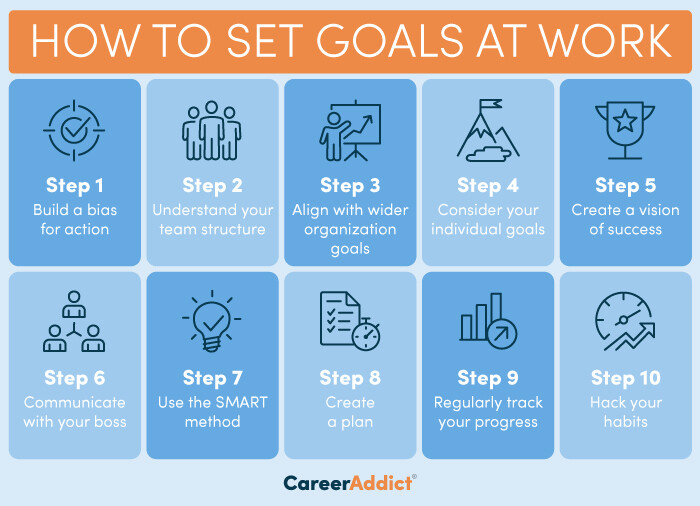
By now, you should have a clear picture of which parts of your life wheel need the most attention. Rather than trying to fix everything at once, it’s usually best to prioritize one to three key areas for the coming year. An uneven wheel is normal; life is dynamic and some areas naturally demand more focus at different times. So ask yourself: Which life areas, if improved, will make the biggest positive impact on my life balance? These will become your focus areas for goal-setting. For each chosen area, formulate specific goals that will raise your satisfaction in that segment in the next year. Ensure your goals are SMART: Specific, Measurable, Achievable, Relevant, and Time-bound. This turns vague wishes into concrete action plans. For example, if Health was a low area, a SMART goal might be: “Exercise 30 minutes, 3 times a week for the next 3 months” instead of just “get fit”. If Relationship satisfaction was low, a goal could be: “Plan a dedicated date night with my partner once a week, Jan through Mar,” or “Call one friend or family member every Sunday.” Make sure each goal clearly states what you’ll do, how you’ll measure it, and by when. Setting 1–3 meaningful goals per priority area is plenty. It’s also helpful to write down why the goal matters to you (your motivation) – for instance, “improving Health will give me more energy and reduce stress, which helps me in all areas of life”. This keeps you inspired. Finally, double-check that your goals for each area are aligned with your broader life vision and values (your “big picture”). As Tony Robbins notes, the Wheel of Life process is about designing the life you really want and ensuring your goals align with what matters most to you, rather than chasing goals that don’t fulfill you.
6. Take Action and Revisit Regularly
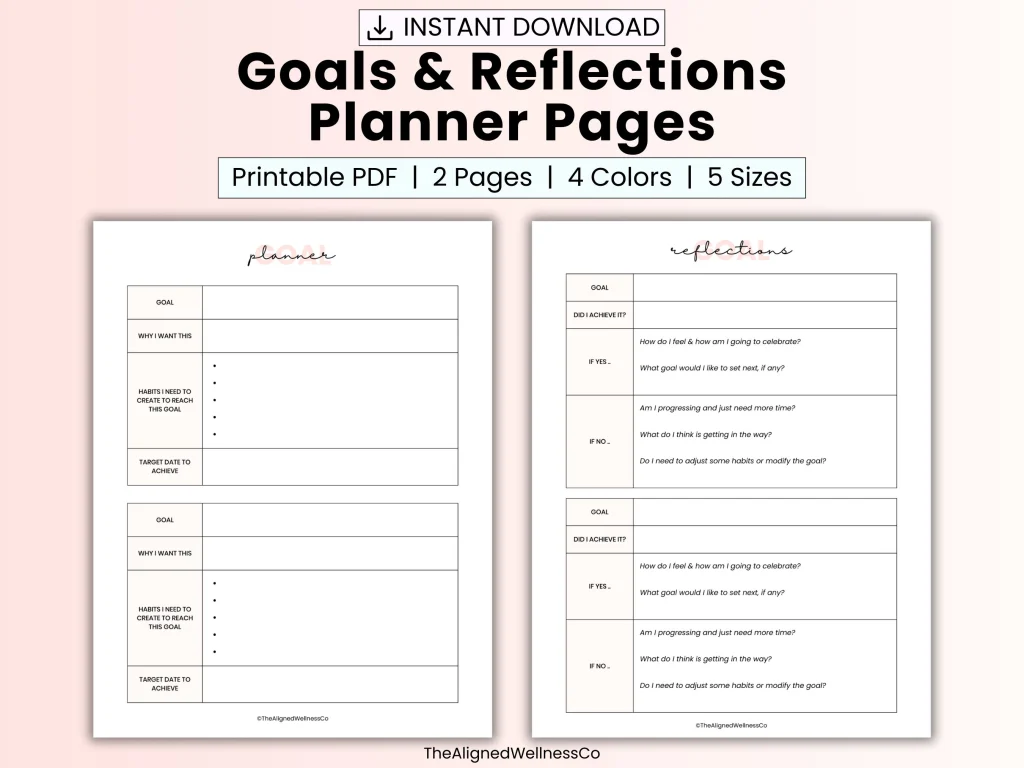
A plan on paper is only as good as its execution. So, as the new year begins, commit to action on the goals you’ve set. Break down big action steps into smaller weekly or daily tasks so you can start making progress immediately. For example, if your goal is exercising 3 times a week, block those time slots on your calendar each week. Treat these actions like appointments with yourself. It’s perfectly normal if progress is slow or if life gets in the way – the key is to have a plan and keep coming back to it. Build in accountability wherever possible: you might tell a friend or coach about your goals, or use a habit tracker or planner to mark your advances.
Equally important, schedule periodic check-ins with your Wheel of Life over the next year. Don’t just set goals in January and forget about them. Many people find it useful to revisit their Wheel of Life quarterly (every 3 months) or even monthly, to update their satisfaction ratings and see how things are shifting. This practice lets you celebrate improvements, maintain awareness, and adjust your plans if needed. For instance, at the end of each quarter, you could draw a new wheel: Are the areas you focused on starting to score higher? Has any other area slipped or become more important now? Regular Wheel of Life updates will keep you on track and motivated, like a feedback loop for your personal growth. In fact, some coaches recommend making the Wheel of Life a routine “life balance check” throughout the year. By doing so, you’ll ensure that the wheels don’t come off as you pursue your goals – instead, you’ll maintain momentum and balance. If you find new challenges or opportunities arise mid-year, you can revise your goals or action steps accordingly (life is always changing, and your plan can be flexible). The ultimate aim is to gradually increase satisfaction across your important life areas so that by next year, you’re looking at a more balanced Wheel and a more fulfilled you. And remember to acknowledge your progress and wins, no matter how small – every positive change in one spoke of the wheel can start to improve the whole circle of your life.
Where to Find Wheel of Life Templates and Tools
You don’t have to draw the wheel from scratch – there are plenty of free Wheel of Life templates and resources available:
- Printable Worksheets: Many coaching and wellness websites offer Wheel of Life templates that you can download and print. For example, PositivePsychology.com provides a free Wheel of Life PDF worksheet that you can fill out by handpositivepsychology.com. This kind of template has the circle and segments pre-drawn, with blank lines or scales for you to rate each area. Simply print it out and start writing in your scores and notes.
- Interactive Online Wheels: If you prefer a digital approach, there are online tools where you input your ratings and get a wheel chart instantly. The coaching network Noomii offers a free Wheel of Life Interactive Assessment, and self-development programs like Tony Robbins’ Wheel of Lifeassessment are available on his website. These typically ask you to answer a short quiz or move sliders for each life area, then they generate your wheel and sometimes even provide personalized feedback. (Tony Robbins’ tool, for instance, asks questions in seven major life categories and plots your “life wheel” – it’s designed to highlight gaps between where you are and where you want to be). Such interactive wheels can be engaging and insightful, especially if you like visual feedback without doing the drawing yourself.
- Templates from Coaches and Planners: Many life coaches and productivity experts share their own Wheel of Life templates. Some are PDFs, others are spreadsheets or planner pages. For example, one executive coach published a Google Sheets Wheel of Life template for her readers– you can copy it to your Google Drive and input your scores to see a automatically graphed wheel. Similarly, certain digital planner apps include a life balance wheel as part of their yearly review pages. These resources are often free or included with other planning tools. A quick web search for “Wheel of Life template free” will turn up lots of options, from simple black-and-white diagrams to more decorated ones. Choose whatever format motivates you – the content is what matters. Just ensure the template has enough segments (8 or more) and a clear scale.
No matter which format you use, the goal is the same: to externalize your thoughts onto a wheel diagram so you can literally “see” your life. Whether you prefer pencil and paper or an app, pick a template that you find easy to use and interpret. If you’re doing this with a partner or coach, printing two copies might be useful (one for current state, one for future goals), or use colored lines to indicate current vs. desired ratings. Many templates encourage drawing a second outline on the same wheel to represent your target scores – for example, drawing a dashed line for where you’d like each area to be after your efforts. This can help in goal-setting by visualizing the gap. Ultimately, the best template is the one that you will actually use, so find one that suits your style (and budget – thankfully, many good ones are free).
Real-Life Examples: How People Use the Wheel of Life
To understand the impact of the Wheel of Life, it helps to see how others have applied it for personal growth and planning. Here are a few real-life examples and case studies:
- From “Flat Tire” to Fulfilled Life: Holly, a personal development blogger, first did the Wheel of Life in 2011 when she felt stuck in life. Her initial results were eye-opening – she rated herself below 5 (out of 10) in areas like Social Life, Health, and Spirituality, meaning those parts of her wheel were nearly flat. “My wheel wasn’t just out of balance; I had a flat tire!” she admits. But by identifying those weak spots, she was able to take action. She made small, consistent improvements in each low-scoring area over the years. More than seven years later, every category of her life had improved significantly – none of them were perfect 10s (life is a continuous work in progress), but the difference was dramatic. Her experience shows that using the Wheel of Life repeatedly can guide long-term growth. Each year she would reassess and set new goals, and over time her wheel became much more balanced. She also observed an important lesson: progress in one area often spills over into others. For instance, when she set a financial goal to pay off debt, it not only improved her finances but also reduced stress, improved her health (less eating out to save money), boosted her career options (no “golden handcuffs”), and even strengthened her relationship (fewer money conflicts)hollyscherer.com. This domino effect is common – improving one part of the wheel can benefit the whole.
- Year-End Reset and Accountability: Another individual shared how she used the Wheel of Life at the end of the year to plan a more intentional new year. At first, she found the exercise “very confronting” – seeing the low scores forced her to admit which goals she neglected and why. However, this honesty was exactly what she needed. By reflecting on her wheel, she realized she hadn’t been prioritizing what truly made her happy. So, she made a bold resolution: in the new year, she would commit to improving two life areas per quarter, then reassess her Wheel of Life every quarter to track progress. For example, in Q1 she might focus on Career and Health, then in Q2 shift focus to Relationships and Fun, and so on. She also planned specific goals for each focus area (like budgeting for hobbies to increase “Fun” and scheduling weekly friend meetups to increase “Social life”). By the end of the year, she hoped to see all segments rise by a couple of points. Importantly, she built in regular reflection points – checking her wheel every few months ensured she stayed accountable and could course-correct if needed. “Don’t just set and forget,” she advises – make the Wheel of Life a continuous part of your growth cycle. This case highlights how the tool can be used not only for an annual review, but also for ongoing self-coaching throughout the year.
- Coaching for Big Challenges: The Wheel of Life isn’t only for personal solo use – coaches use it with clients to tackle ambitious goals. A great example comes from Professor Greg Whyte, a sports scientist and coach who prepared celebrities for extreme endurance events (like charity ultra-marathons). He used a version of the wheel (sometimes called the “Wheel of Success”) as a quick diagnostic tool with his clients. By having these high-profile individuals rate themselves in various domains – from physical stamina to mental resilience to support systems – he could quickly identify their strengths and weaknesses before training. The visual wheel made it immediately clear which areas needed the most work. As training progressed, they would revisit the wheel to track how each area changed throughout the challenge. For instance, as a comedian-turned-marathoner improved her fitness (raising her Health score), they also kept an eye on her stress or motivation levels. This ongoing use of the Wheel of Life helped Greg’s clients clearly define what success looked like in multiple dimensions, not just “did I finish the race.” It also proved motivational – even elite performers could visually see their progress in weaker areas, which built confidence. This case shows the Wheel’s flexibility: whether you’re striving for a personal goal or coaching someone through a major achievement, the tool adapts to keep the focus on balanced growth.
Key Takeaways for a Balanced New Year
- Holistic Self-Assessment: The Wheel of Life gives you a complete view of your life balance on one page. It lets you visualize your satisfaction in all key areas of life at once, so you can easily spot where you’re thriving and where you’re unfulfilledpositivepsychology.com. This awareness is the critical first step toward positive change.
- Identify Priorities: Instead of guessing what goals to set, the Wheel helps you pinpoint which areas need the most attention. You can confidently set goals that target your actual gaps or “flat spots,” ensuring your effort next year goes into the improvements that will matter most to your happiness.
- Meaningful Goal-Setting: Use your Wheel of Life results to create specific, balanced goals for the new year. Focus on a few priority areas rather than trying to overhaul everything at once. Setting SMART goals (Specific, Measurable, Achievable, Relevant, Time-bound) for those areas will turn your insights into an actionable plan. For example, if Relationships are lagging, a SMART goal might be “Have one family dinner with all phones off every week”.
- Balance, Not Perfection: Remember that the aim is a more balanced life, not a “perfect 10” in every category. Life will always have trade-offs and shifting focuses. Don’t be discouraged by an uneven wheel – use it as a guide. Improving even one or two areas will often uplift your overall well-being, and it’s normal for some segments to be higher than others at different times. The Wheel of Life is about conscious choices: you decide where to intentionally invest energy, rather than running on autopilot.
- Regular Check-Ins: Make the Wheel of Life a recurring tool in your personal growth toolbox. Revisit your wheel periodically (for example, quarterly) to reassess and celebrate progress. Regular check-ins will keep you accountable and allow you to adjust goals if your life circumstances change. It can be very rewarding to see your wheel become rounder over time. And if it highlights new issues, you’ll catch them early and respond.
- Use Quality Resources: Leverage the many free templates and apps available to simplify the process. Grab a printable worksheet or try an online Wheel of Life assessment to get started. The clearer and more engaging the format, the more likely you’ll use it consistently. Find a format that you enjoy (colorful, minimalist, digital, etc.), and consider involving a friend, family member, or coach for support and accountability if that helps you.
By following this guide, you can turn your year-end reflection into a practical plan for personal development. The Wheel of Life is a versatile and insightful tool – it brings clarity to where you stand, helps you envision where you want to go, and prompts you to take real steps towards a more balanced, fulfilling life. As the new year approaches, take the time to spin your Wheel of Life and design goals that truly resonate with you. Here’s to a well-rounded and purposeful year ahead!