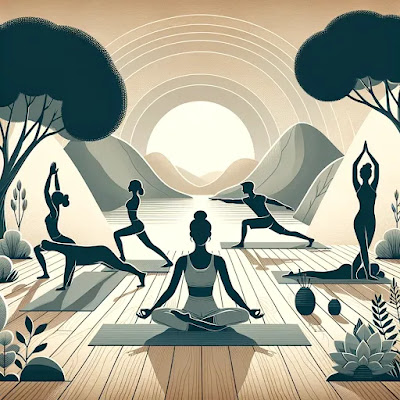
Sun and Moon Energy: Balancing Ha (Solar) and Tha (Lunar) in Hatha Yoga
Philosophical Foundations: Ha (Solar) and Tha (Lunar)
The word Hatha literally means “sun” (Ha) and “moon” (Tha), symbolizing the union of opposing energies. In yogic tradition, the Pingala Nadi (right channel) carries solar, masculine, yang energy—heating, active, outward—while the Ida Nadi (left channel) carries lunar, feminine, yin energy—cooling, receptive, inward.
Hatha Yoga teaches that personal balance comes from harmonizing these currents. In classical terms, bringing Ida and Pingala into equilibrium (so that the central Sushumna Nadi can flow) awakens higher consciousness.
In practical terms, the solar aspect (Ha) corresponds to qualities like heat, effort, and clarity, whereas the lunar aspect (Tha) is cooling, calm, and intuitive. When one side predominates, we feel unbalanced—either overheated and agitated or dull and sluggish. Hatha practice uses postures, breath, and focus to stabilize both.
Asana & Sequencing: Heating vs. Cooling Practices
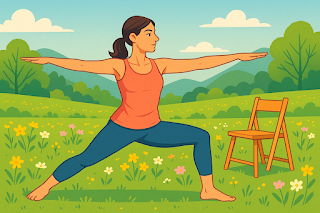
Some asanas naturally generate internal heat (yang), while others create cooling calm (yin). Intense standing postures, deep backbends, and binds (such as Warrior I/II, backbends, and Sun Salutations) generate heat and activate the solar side.
Forward bends and reclined/restorative poses (such as Child’s Pose, Paschimottanasana, and Reclined Twist) gently lower body temperature and soothe the nervous system.
A balanced sequence may alternate a dynamic “solar” flow with a grounding “lunar” counterpose. For example, follow Sun Salutations with supported forward folds to cool down.
Heating (Solar/Yang) Poses
- Surya Namaskar (Sun Salutation)
- Virabhadrasana (Warrior series)
- Urdhva Dhanurasana (Wheel)
- Navasana (Boat)
- Ustrasana (Camel)
These postures energize and open the chest, awakening Pingala/sun energy.
Cooling (Lunar/Yin) Poses
- Balasana (Child’s Pose)
- Uttanasana (Standing Forward Bend)
- Supta Baddha Konasana (Reclined Bound Angle)
- Gentle twists
These poses relax and steady the mind, invoking Ida/moon energy.
Sequencing Tips
- Maintain left–right symmetry to honor both currents.
- Use asymmetrical poses to intentionally stimulate one side before balancing the other.
- Warm up with solar (yang) practices in the morning and wind down with lunar (yin) practices in the evening.
- Include both active and passive elements (dynamic flows vs. long holds) so students experience both Ha and Tha within one class.
Pranayama: Channeling Sun and Moon Breath
Breath control is a direct way to balance Ida (moon) and Pingala (sun) energies.
Surya Bhedana (Sun-Piercing Breath)
Block the left nostril and breathe through the right. This stimulates the Pingala (solar) energy, warming and energizing the system.
Contraindicated for high blood pressure or anxiety.
Chandra Bhedana (Moon-Piercing Breath)
Block the right nostril and breathe through the left. This calms the mind and cools the body, emphasizing Ida (the lunar channel). It’s excellent for balancing an overheated or hyperactive state.
Nadi Śodhana (Alternate Nostril Breath)
Breathe in and out through one nostril at a time in alternation. This purifies and balances Ida and Pingala simultaneously.
Nadi Shodhana is an excellent early-class practice because it “calms, purifies, and strengthens the nervous system,” preparing students for deeper focus.
Practice Application
- Use Surya Bhedana when students need energy (e.g., midday fatigue).
- Use Chandra Bhedana before restorative poses or bedtime.
- Encourage long, smooth breaths and consider using a mudra (e.g., Vishnu or Gyan mudra) to deepen concentration.
Mudras, Bandhas & Meditation: Inner Harmonization
Hatha Yoga traditionally includes bandhas (energy locks) and mudras (gestures) to direct prana.
- Mūla Bandha (root lock) grounds and stabilizes energy.
- Uḍḍīyana Bandha (abdominal lift) pumps prana upward through the spine.
- Hand mudras (like Jñāna Mudra or Hakini Mudra) can steady the mind and balance hemispheres.
These practices support the ascent of energy through the Sushumna, aiding deeper meditation and energetic balance.
Meditation Practices
In meditation or savasana, suggest students visualize the sun at the right palm or forehead and the moon at the left palm or heart.
Chanting bija mantras “Hāṁ” (solar seed) and “Thaṁ” (lunar seed) is a traditional method to embody sun and moon energies.
The goal is to transcend duality. As Śrī Svātmārāma notes, Hatha practices (asana, pranayama, mudras, bandhas) unite Ha and Tha to achieve balance, harmony, and self-realization.
Time-of-Day & Energetic Constitution (Ayurvedic)
Ayurveda links daily rhythms and doshas to Ha/Tha qualities.
For example:
- 6–10 AM and 6–10 PM are Kapha times (cooler, heavy energy), making them ideal for sun-based practices (active flows, multiple Sun Salutations).
- Morning Vata dips call for a gentle warming start (energetic breath, light Sun Salutations).
- Evening (moon time) calls for calming postures, cooling pranayama, and longer holds (Yin/Hatha, Nadi Shodhana) to prepare for rest.
Dosha-Specific Adaptations
- Pitta (fiery): needs soothing, cooling sequences (forward bends, twists, Chandra Bhedana).
- Kapha (heavy): benefits from vigorous, heating practice (dynamic Vinyasa, backbends, repeated Sun Salutations).
- Vata (restless): needs grounding, gentle warmth, steady breath (standing forward folds, gentle backbends).
Ha and Tha in Classical Texts (Context)
Classical Hatha texts describe Ha and Tha as cosmic forces.
The Hatha Yoga Pradīpikā translates to “Light on joining Sun and Moon.”
Swami Svātmārāma describes Hatha as a tantric practice to harmonize the pranic (lunar/Ida) and mental (solar/Pingala) currents, allowing their union in Sushumna. The goal is not just physical fitness, but the integration of body and mind.
Swami Vivekananda also emphasized that Hatha means “forceful,” requiring mental strength—but its higher aim is to transcend duality and achieve Samadhi.
Teaching Applications & Practice Tips
Sequence Planning
Alternate fire and cool segments:
- Begin with Sun Salutations or backbends (Ha)
- Transition to yin poses or Savasana (Tha)
Self-Inquiry Prompts
Invite students to notice which side feels dominant:
- “Do you feel heat or heaviness?”
- “Are you seeking stimulation or rest?”
Embodiment Practices
Try guided breathing:
- Right lung = “sun breath”
- Left lung = “moon breath”
Use props to emphasize grounding (lunar) vs opening (solar).
Meditation/Relaxation
In final relaxation, guide students to visualize sun and moon energies equalizing. Offer a brief mantra or visualization to harmonize Ha and Tha.