Hatha yoga routine for spiritual beginners who want hip opening
If you’re spiritually curious and your body feels tight around the hips, a focused, gentle practice can help both. This hatha yoga routine for spiritual beginners who want hip opening is designed to be short, accessible, and heart-centred — a daily ritual that loosens tissue while cultivating stillness and presence.
Expect 10–15 minutes for the core practice, with a 25–40 minute evening variant for deeper release. You’ll need minimal props: a yoga mat, a firm cushion or block, a bolster or rolled blanket, and optionally a strap. Do it 5–7 days a week if you can, or 3–4 to begin — consistency matters more than intensity.
Phase 0 — Gentle preparation: mindset, breath, and simple alignment
Preparing the nervous system and clarifying intention helps the hips release more easily and safely — because openness is as much about the mind as the muscles. This short preparatory phase centers you and reduces the chance of gripping or forcing once you move into physical hip work.
Step 0.1 — Why set an intention
Why: Setting an intention connects your movement to a spiritual practice rather than a task. When the hips open we often encounter emotion or memories — an intention gives those experiences context and gentleness.
How: Before you roll out your mat, take one to two minutes with a pen and a notebook or in quiet breath. Write a short phrase or choose a word — for example, “softness,” “grounding,” or “I breathe and receive.” If you prefer movement, inhale and think of that word; exhale and let it settle. This simple ritual orients attention and signals to your nervous system that what follows is gentle care.
Step 0.2 — Breath basics (ujjayi and lengthening exhales)
Why: Breath calms and creates space around the hips — a long, supported exhale invites tissues to relax. Using a yogic breath builds internal focus which makes energetic and physical release safer and more sustainable.
How: Practice **Ujjayi** (victorious breath — a gentle constriction at the back of the throat that creates a soft oceanic sound) for 3–5 minutes. Begin with natural breaths, then slightly narrow the throat and inhale for a count of 3–4 and exhale for a count of 4–6. If ujjayi feels odd, simply lengthen the exhale and keep the breath soft and even. Keep the belly soft; let the ribs expand gently on the inhale and contract on the exhale.
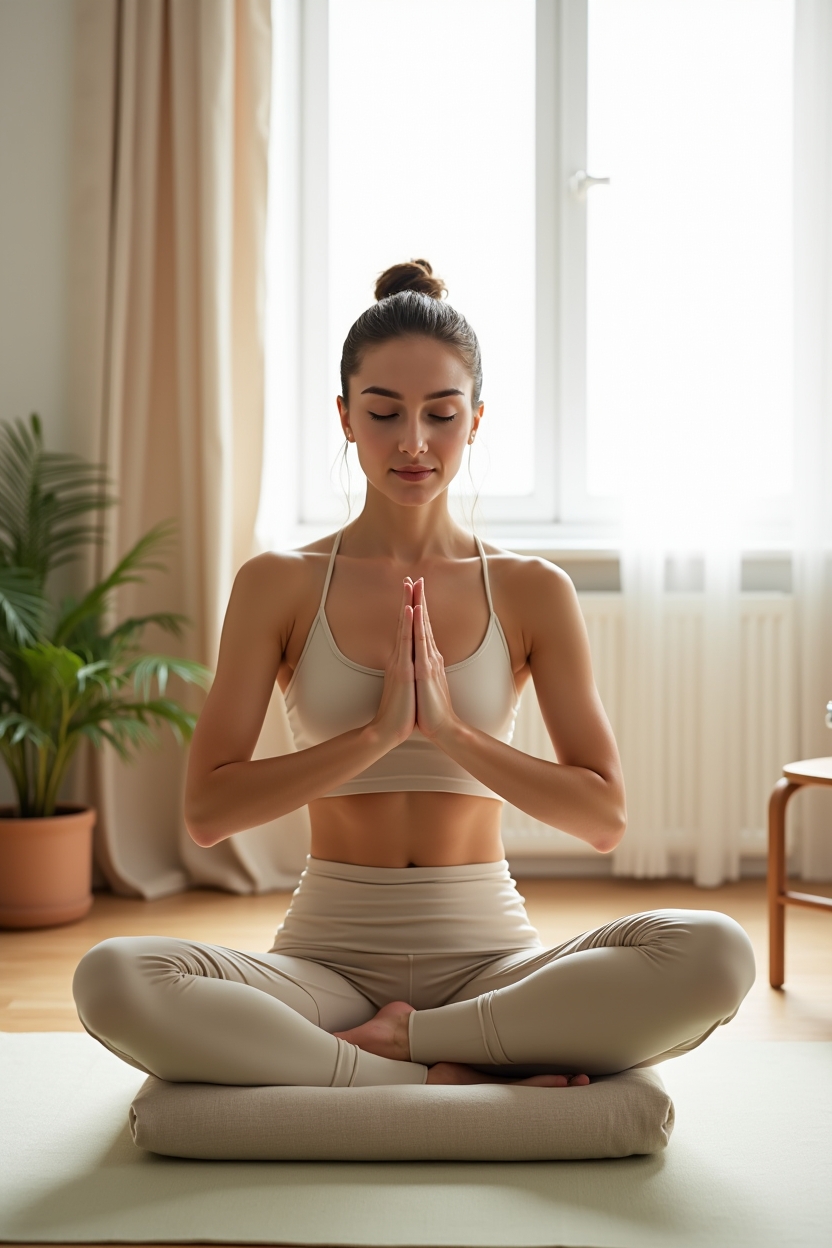
Step 0.3 — Alignment cues for safe hip opening
Why: Hip work can strain nearby joints if alignment isn’t considered. Establishing basic alignment protects the knees, lower back, and sacroiliac area so the hips can open without compensation.
How: Begin with pelvic neutrality — imagine a bowl of water balanced on the top of your pelvis. Track knees in the direction of toes during lunges and standing work. Use props: place a block or folded blanket under the sitting bones in cross-legged poses, cushion the knee in pigeon variations, and loop a strap around the foot in reclining leg openings. If a knee twinges, back out a degree — widening the angle or elevating hips often restores comfort.
- Pelvic neutral: small tuck or lift to feel the spine lengthen
- Knee tracking: keep knee aligned with second toe
- Props: block/blanket under glutes, bolster for reclined poses, strap for hamstring assist
Phase 1 — A 10–15 minute hatha yoga routine for spiritual beginners who want hip opening
Here is a compact daily sequence you can return to morning or midday. It’s warm-up → focused hip-openers → integrative standing work → gentle close. It uses minimal props and moves at a calm pace — the goal is steady practice, not intensity.
Step 1 — Gentle warm-ups (cat/cow, pelvic circles, low lunge flows)
Why: Warm-ups increase circulation, lubricate the hip joints, and invite coordination between breath and movement — which reduces gripping when you get to deeper holds.
How: Start on all fours. Do 6–8 rounds of cat/cow with the breath (inhale cow, exhale cat), then add pelvic circles — small, slow circles in each direction for 6 reps. Move into a low lunge: inhale to lift the chest, exhale to soften the hips toward the front leg. Repeat each lunge flow 4–6 times per side. If mobility is limited, shorten the range and use blocks for hands or drop the back knee for support.
- 6–8 rounds Cat/Cow (match breath to movement)
- 6 pelvic circles each direction
- 4–6 low-lunge flows per side (inhale lift, exhale soften)
Step 2 — hatha yoga routine for spiritual beginners who want hip opening: focused hip-openers (pigeon variation, bound angle, reclining twist)
Why: These poses target the gluteal complex, external rotators, and inner groin — the areas that most often hold tension and emotion. They work both muscle length and connective tissue while offering spaces for reflection.
How: Move into a supported pigeon: bring the front shin diagonally, and place a folded blanket or bolster under the hip on the front leg to avoid torque. Hold 30–90 seconds, breathing into the area of sensation. For bound angle (Baddha Konasana), sit on a folded blanket to tip the pelvis forward; let the knees hover if they do not reach the floor, and breathe 8–12 long breaths. Finish with a reclining twist (Supta Matsyendrasana): hug knees to chest, drop knees to one side, and turn the gaze the other way for 30–60 seconds. Always prioritize a calm, lengthened exhale and ease over depth — that makes these poses both accessible and nourishing.
- Supported pigeon: 30–90 seconds per side with hip support
- Bound angle: sit on blanket, 8–12 breaths
- Reclining twist: 30–60 seconds per side
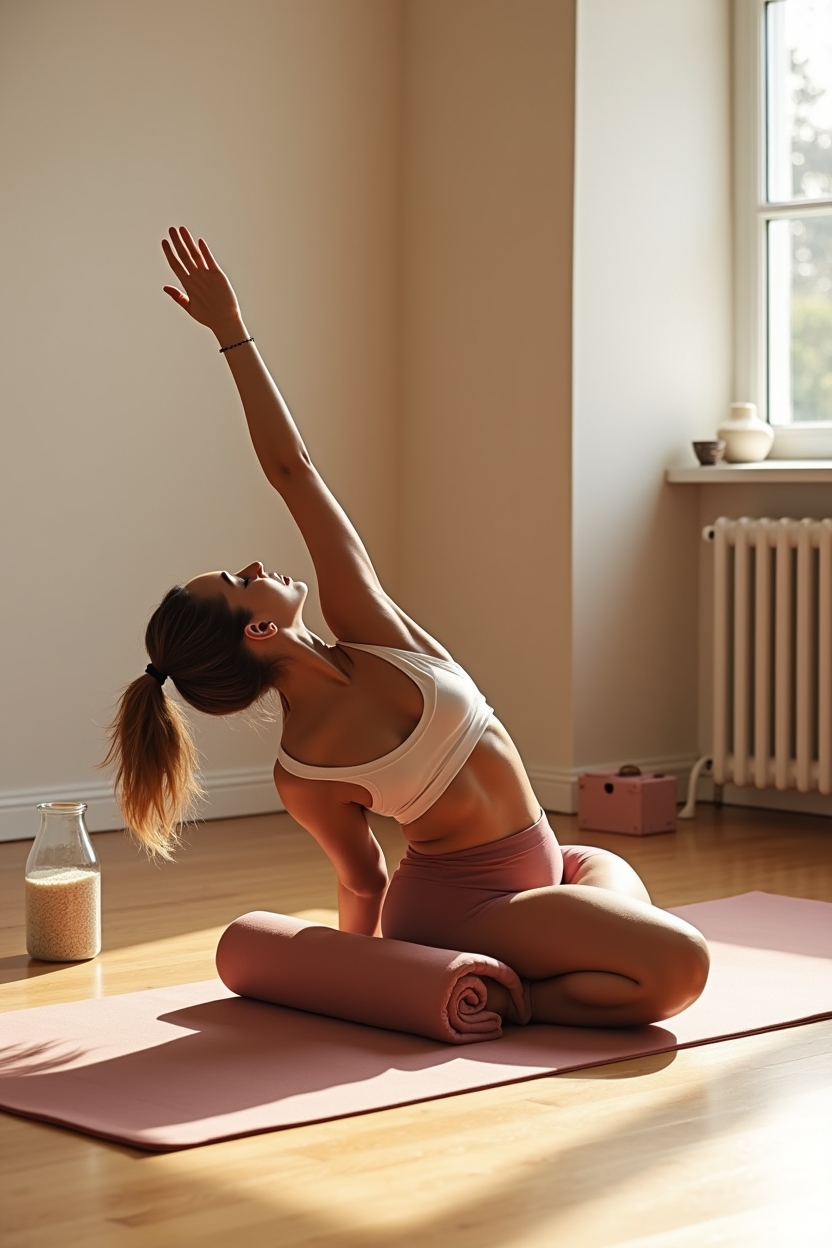
Step 3 — Integrative standing sequence (warrior II to goddess)
Why: Standing sequences build the hip stabilizers and balance the connective tissue work with strength — strong supporting muscles reduce the chance of overstretching and help retain functional range.
How: From a wide stance, move into Warrior II (Virabhadrasana II) for 3–5 breaths each side, keeping the front knee tracking above the ankle. Flow from Warrior II into Goddess (Utkata Konasana): turn toes slightly out and bend the knees, lowering into a comfortable squat for 5–8 breaths. Focus on rooting through the outer edge of the back foot and lifting the pelvic floor lightly to steady the hips. Modify by shortening the stance or holding near a wall for balance.
Phase 2 — A longer evening variant for deeper release and reflection
Choose the 25–40 minute version when you have time to linger. Longer holds and restorative supports allow deeper connective tissue access and create a safer container for emotional material that can arise during hip work.
Step 4 — Extended holds and restorative supports
Why: Slow, supported holds encourage the parasympathetic nervous system and can gradually lengthen fascia and tendonous tissue without forcing. Emotional material is more likely to surface in these relaxed conditions — and that’s okay when you have supports in place.
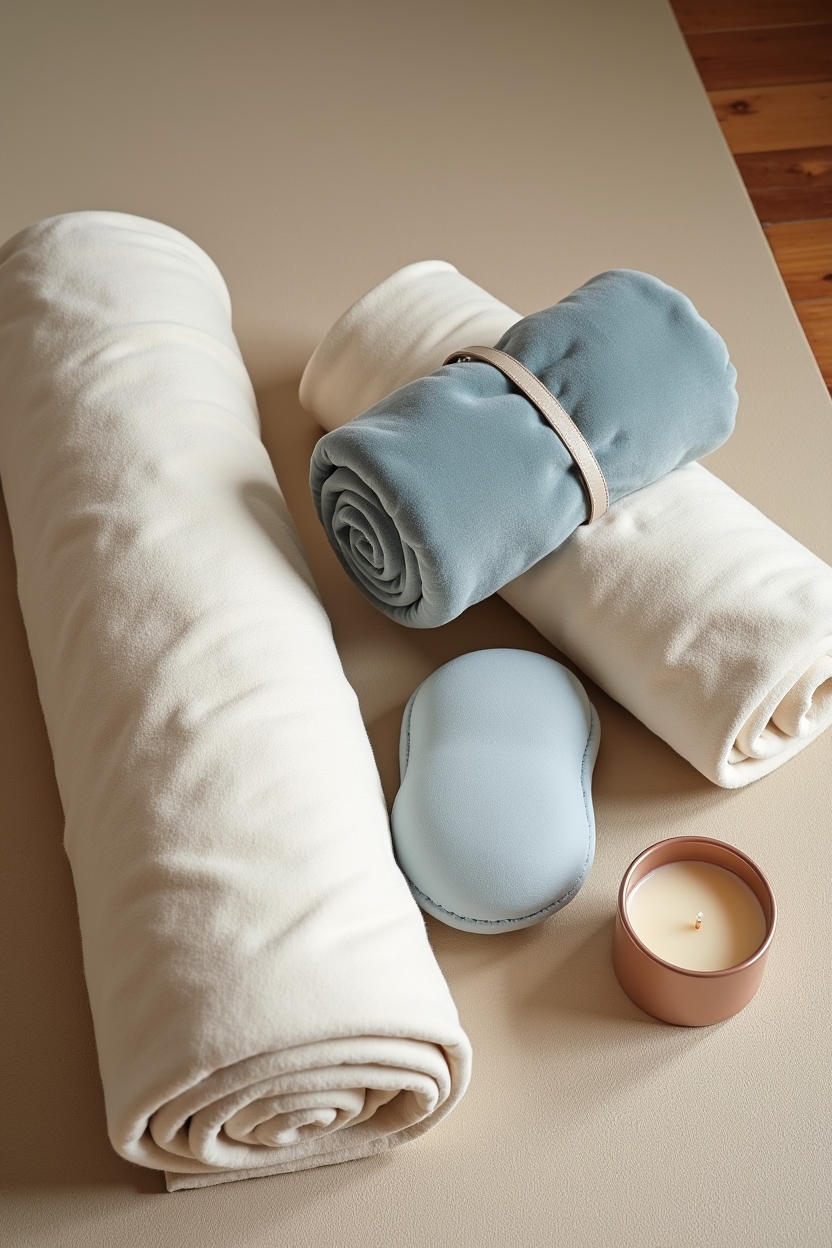
How: Use bolsters and blankets to support the body. Try a reclined pigeon with a bolster under the sacrum and the front foot on a block; hold for 3–6 minutes per side with gentle ujjayi or long exhales. Set a soft timer in three-minute increments to avoid checking the clock; if emotion comes, widen the breath and notice sensations without narrative. Props and gradual increases in time are the safest path to deeper release.
- Bolster under sacrum for reclining hip openers
- Blocks under knees for supported bound angle
- Timers set in 3–5 minute blocks for extended holds
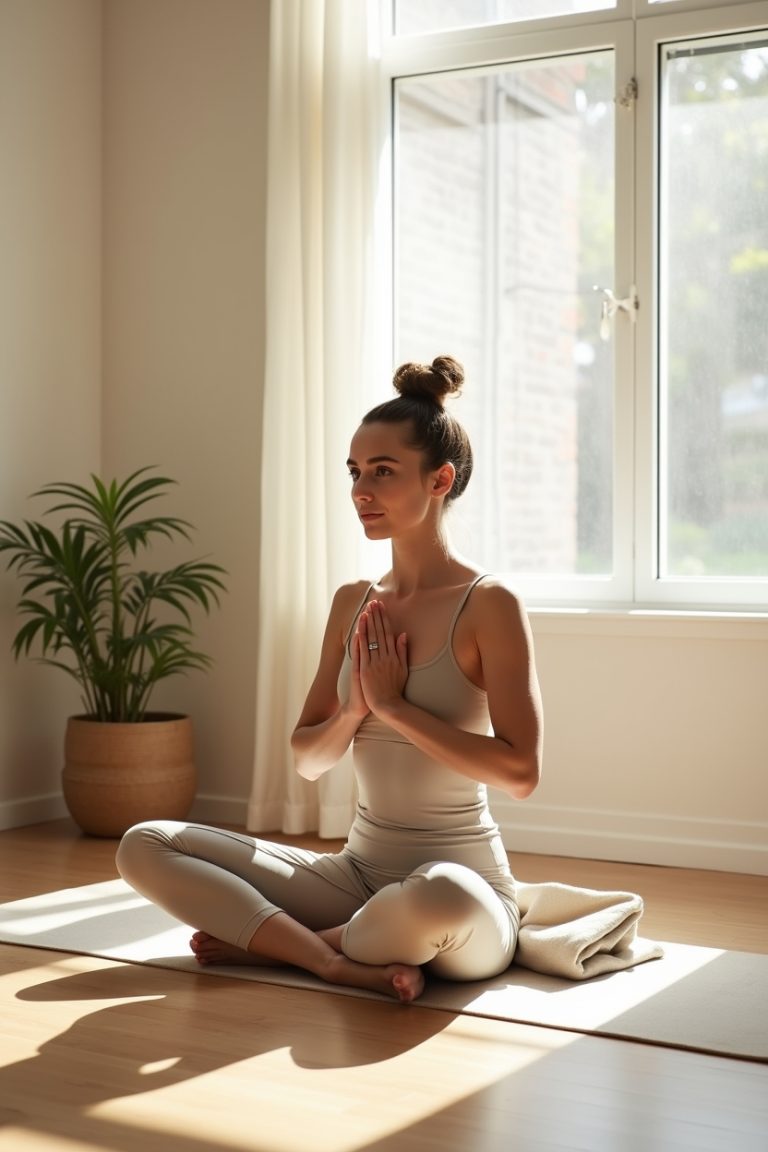
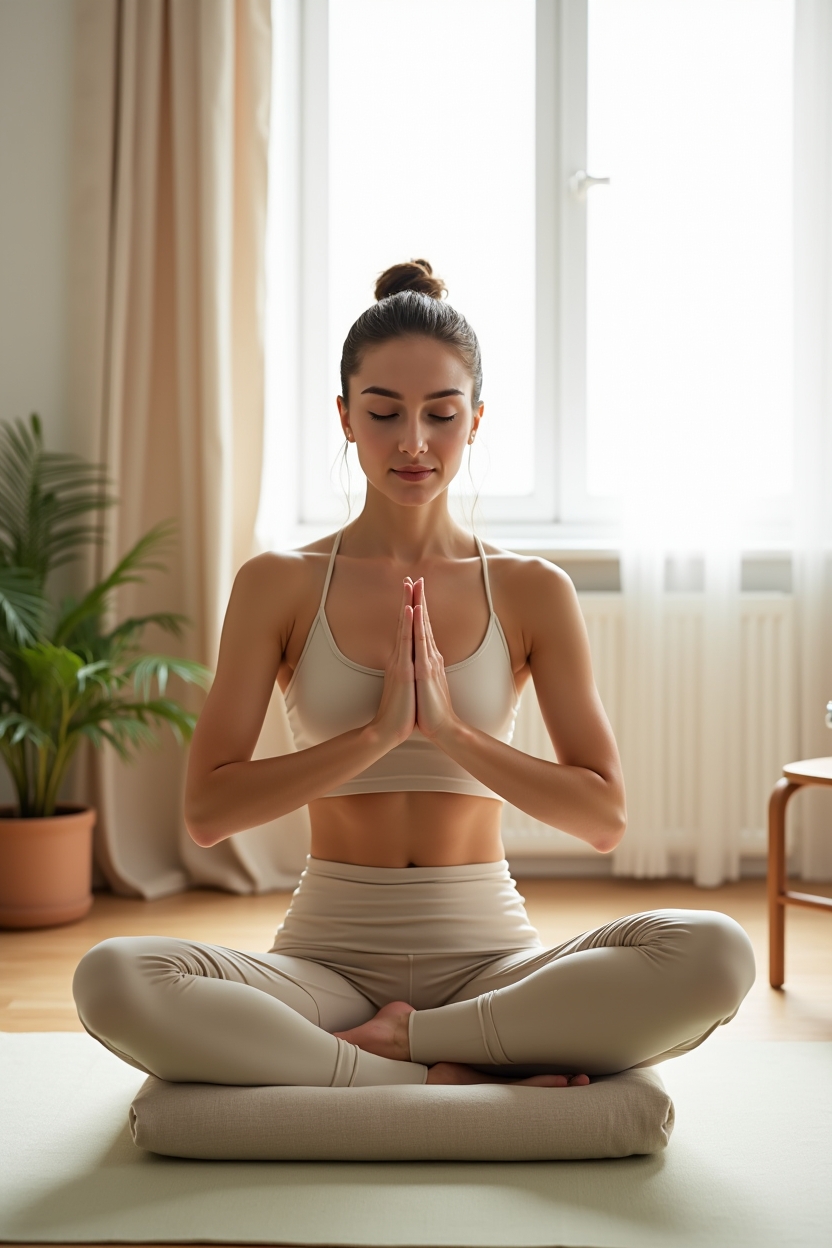
Step 5 — Closing with a short seated meditation or mantra
Why: Closing practices integrate the physical changes with a spiritual frame — they help settle the nervous system and make the practice inward-facing rather than purely physical.
How: Finish with 5–10 minutes of seated breath meditation or a simple mantra. You might repeat a short phrase on the exhale — for example, “I am soft” or “I am here.” Alternatively, practice 5 minutes of counting breaths (inhale 1, exhale 1) and return to the intention noted in Phase 0. This quiet ending stitches together the body’s work and the heart’s attention.
Phase 3 — Weekly layering: adding mobility, strength, and energetic practices
Varying focus across the week keeps practice balanced. A simple rotation of mobility, strength, and energetic days prevents overemphasis on one quality and supports steady progress.
Tip — Mobility days: dynamic hip openers and functional ranges
Why: Mobility days prioritize range and control, helping the hips move freely across daily life tasks without relying on passive stretches alone.
How: Include exercises like leg swings (front-to-back and side-to-side), slow cossack squats, and dynamic lunges with spinal rotation. Aim for 2–3 sets of 8–12 reps per movement, moving with breath and control. These keep the hips responsive rather than just loose.
- Leg swings: 10–12 each leg, controlled
- Cossack squat progressions: 6–8 per side
- Dynamic lunge with twist: 6–8 per side
Tip — Strength days: glute/hip stabilizers to protect open hips
Why: Strength around the hips supports healthy alignment and reduces injury risk — flexibility without strength can be fragile.
How: Practice glute bridges, clamshells, and single-leg balances. For bridges, perform 2–3 sets of 8–12 reps; for clamshells, 2–3 sets of 12–15 reps per side; for single-leg balances, hold for 20–45 seconds each side. These simple moves are easy to layer into a weekly plan and pair well with your daily hatha practice.
- Glute bridges: build posterior chain
- Clamshells: target external rotators
- Single-leg balance: enhance proprioception
Tip — Energetic days: chakra reflection and seated breath for the sacral center
Why: Hip opening is often associated with the sacral center — **Svadhishthana** (the sacral chakra) — themes of creativity, emotion, and receptivity. Including energetic reflection helps you notice non-physical shifts and bridges yoga’s somatic and spiritual aspects.
How: On an energetic day, spend 8–12 minutes in seated breathwork and a short journaling prompt: “What wants my attention creatively or emotionally this week?” Use gentle hip-openers as a preparatory body practice, then sit with the breath and notice images or sensations. This is a gentle, contemplative complement to the movement-focused days.
Phase 4 — Safety, common challenges, and gentle progressions
Mindful progression and knowing when to rest will keep your practice sustainable. Hip opening is a months-long journey — not a quick fix — and this section helps you read your body and pace accordingly.
Tip — When hip pain is a joint issue vs. soft-tissue tension
Why: Distinguishing joint pain from muscle or fascial tension prevents harm. Joint pain (sharp, deep, especially with weight-bearing) needs cautious attention and often professional evaluation; soft-tissue tension tends to be duller and responds to slow breath and release.
How: If you experience sharp pain, stop the pose and test gentler options — reduce range, elevate the hips, or move to a non-weight-bearing variation. If pain persists or you hear clicking accompanied by sharp pain, consult a clinician. For soft-tissue tension, back off to shorter holds, add breath work, and use restorative props to encourage parasympathetic release.
Tip — Managing emotional releases and feeling held
Why: The hips can store emotion; when released, you may feel weepy, tired, or spacious. Having a plan for emotional support helps you feel safe and contained.
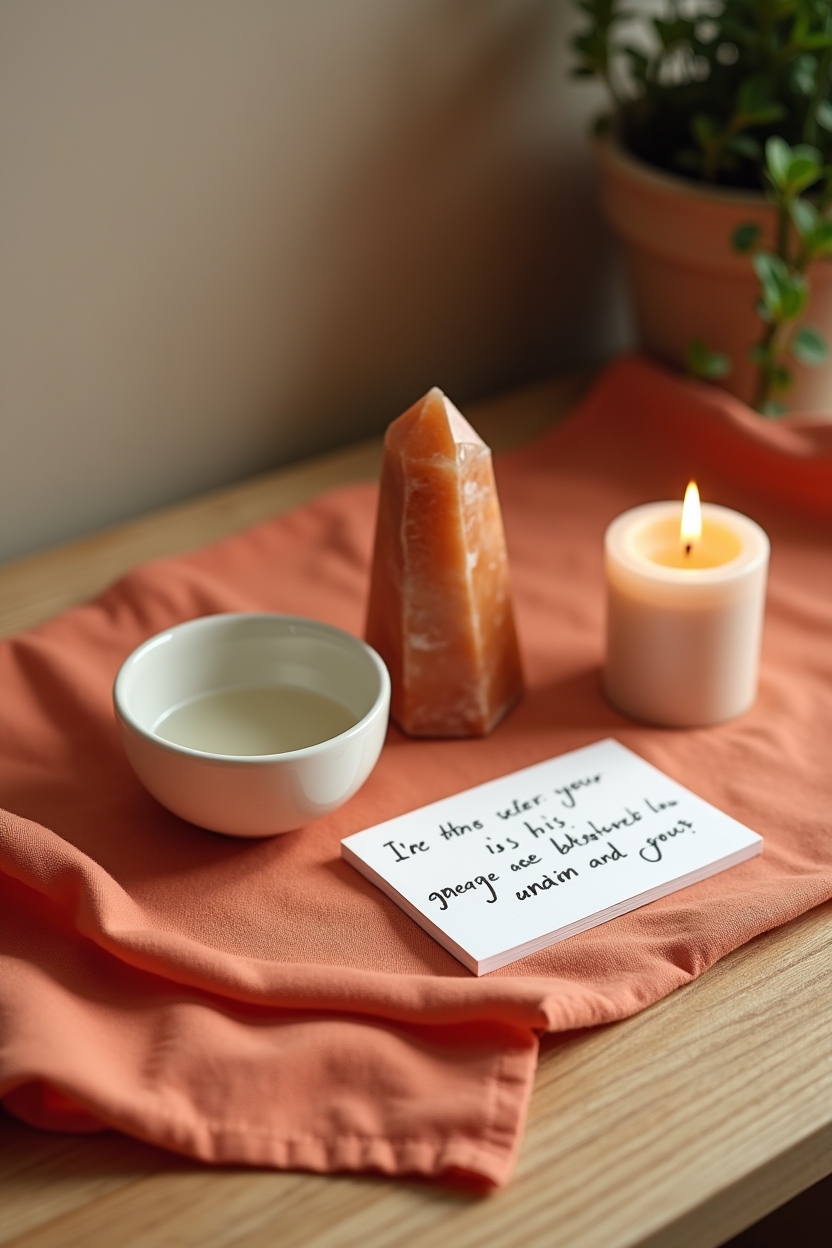
How: Create a simple container: set aside a journal nearby, practice longer exhales, and give yourself permission to rest afterward. If releases are intense, bring awareness to grounding sensations (feet on floor, hands on belly) and shorten practice length for a few days. Seek support from a trusted teacher or therapist if strong emotions persist.
Tip — Progressions over months (dosage, intensity, and tracking)
Why: Small, measurable progress is safer and more encouraging than chasing dramatic increases in flexibility.
How: Track frequency, hold times, and perceived ease. Start with the 10–15 minute routine most days for 4–6 weeks, then add 2–3 minutes to holds or include one longer evening session weekly. Increase strength work gradually and avoid pushing to pain. A journal note every week helps you notice trends in mobility, mood, and energy.
- Practice frequency: begin 3–5x/week, aim for daily consistency
- Hold times: start 30–60s, add 30s every 3–4 weeks
- Strength/skill: add 1–2 new exercises monthly
Practical aids: short scripts, sequences, and a 4-week starter plan
Below are concise assets you can replicate immediately. The printable worksheet is titled with the primary keyword so you can save a single reference: “Hatha Yoga Routine for Spiritual Beginners Who Want Hip Opening.”
Printable sequence (10-minute daily flow)
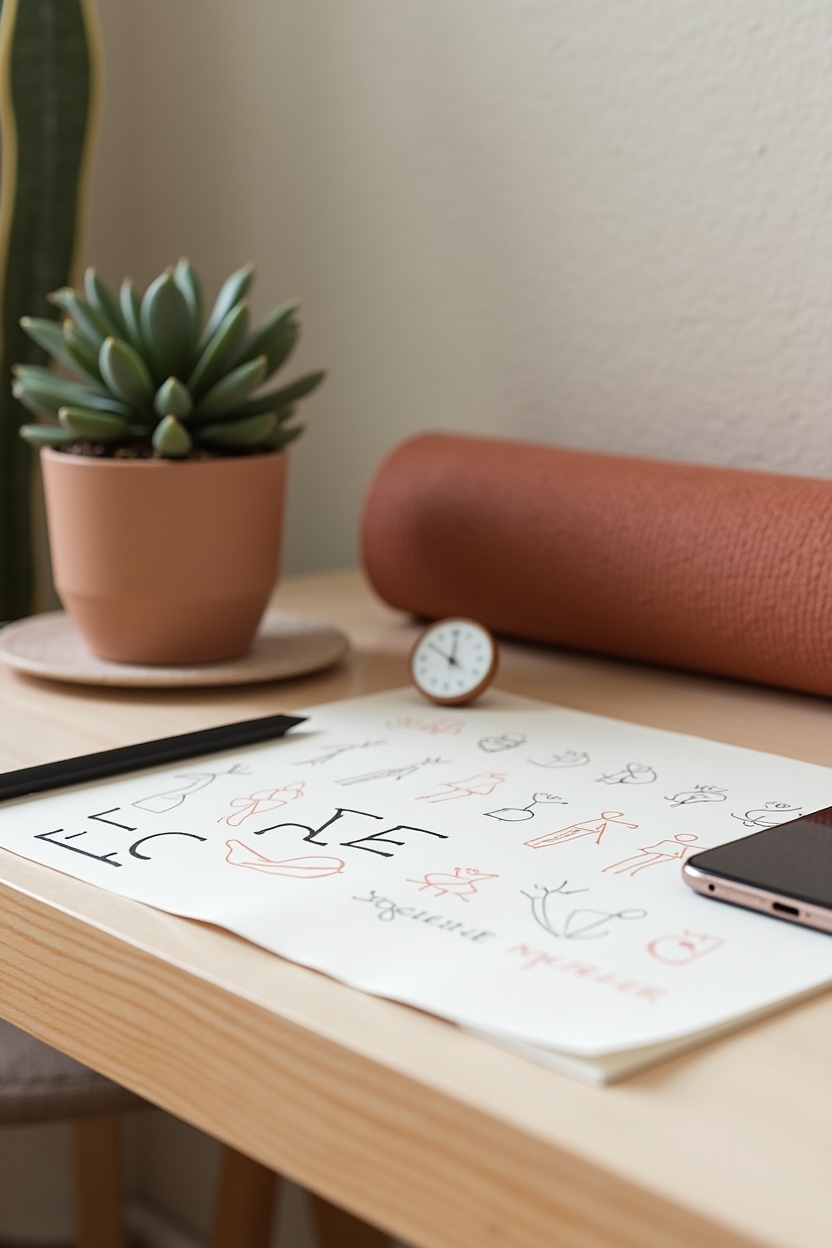
This one-page layout gives the exact 10-minute flow: a brief intention, 3 minutes breath/warm-up, 4–5 minutes focused hip-openers, 1–2 minutes standing integration, and a short closing breath. It lists props, timing cues, and simple alignment reminders so you can follow without thinking.
Use the printable as a daily script — read the cues aloud the first few times, then let the practice settle into memory. The sheet is designed to be laminated or pinned near your mat so your ritual becomes easier and gentler with repetition.
4-week starter plan — weekly focus and sample schedule
Week 1: Establish the daily 10–15 minute practice, prioritize breath and alignment. Week 2: Add two mobility sessions and one short strengthening session. Week 3: Introduce one 25–40 minute evening restorative session; continue daily core flow. Week 4: Blend strength and mobility days and include one energetic day with seated Svadhishthana reflection.
This gentle progression lets you build habit and resilience without forcing range. Adjust the schedule to your life — consistency is the guiding principle, not perfection.
- Week 1: Daily 10–15 min core sequence
- Week 2: Add 2 mobility days + 1 strength day
- Week 3: One longer restorative evening session
- Week 4: Integrate energetic reflection + maintain daily flow
Download the printable: Hatha Yoga Routine for Spiritual Beginners Who Want Hip Opening
A one-page printable that contains the 10‑minute script, props checklist, and the 4‑week starter plan. It’s formatted to pin near your mat so the daily habit becomes simple and steady.
Download the printable
Final Thoughts
A small, steady hatha yoga routine for spiritual beginners who want hip opening becomes more than flexibility work — it becomes a way to listen, soften, and practice presence. Move with curiosity, honor your limits, and let the breath lead when sensations arise.
Keep the practice simple and kind. Over weeks you’ll likely notice subtle shifts in range, emotion, and inner steadiness — and that is the real measure of progress. If you like, take the printable worksheet and begin tomorrow with one calm breath.