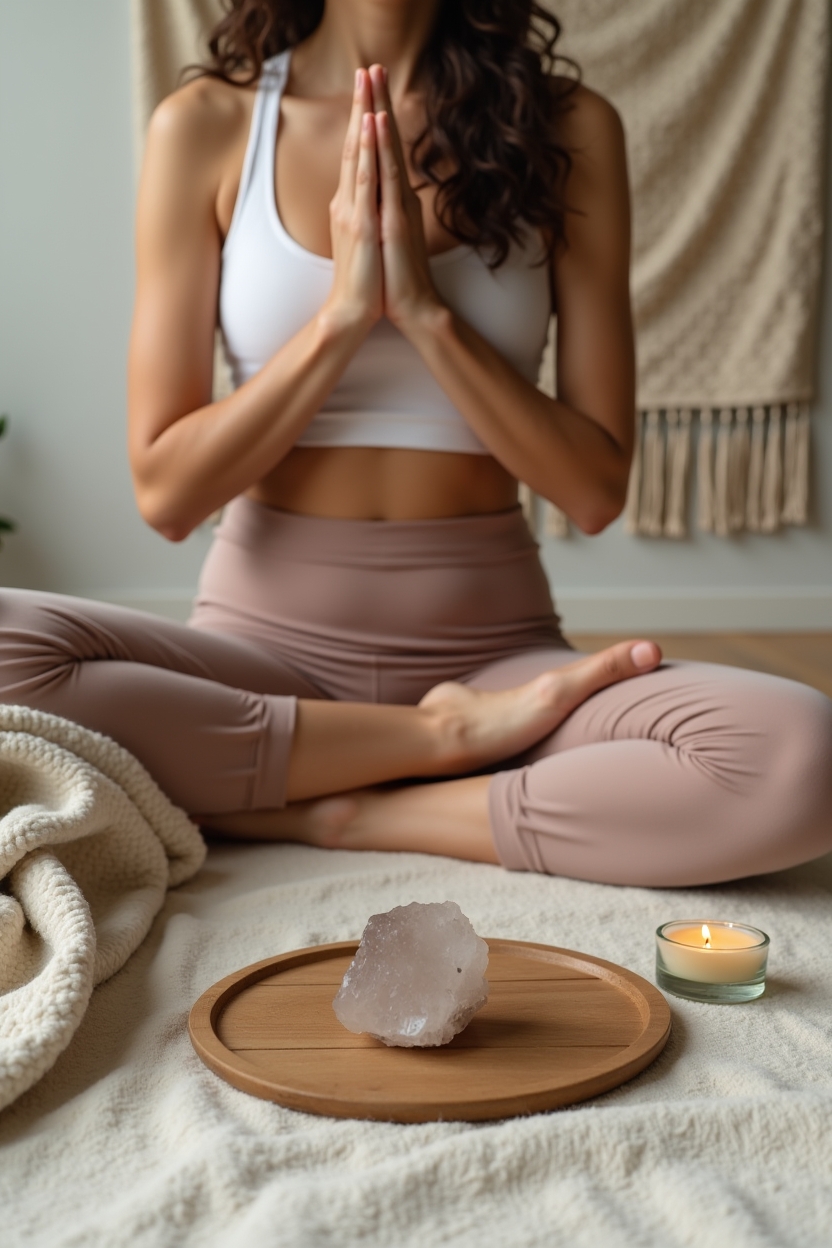
How to improve sleep with hands stretches: A Gentle Guide
Struggling to fall asleep despite a quiet room and a tired mind can feel frustrating and small — but small habits often hold the key. Learning how to improve sleep with hands stretches brings attention to an overlooked place: your hands and wrists are dense with nerve endings, tied into the same pathways that influence neck tension, jaw clenching, and overall restlessness.
This guide offers a short, practical routine you can try tonight, gentle variations for different needs, and simple tips for folding these moves into an evening ritual. You’ll find a 5-move ritual, a 1–3 minute rescue sequence for middle-of-the-night awakenings, and safe ways to adapt the practice so it truly supports your sleep.
Why hands and wrists matter for sleep
Your hands and wrists are small — and busy. They spend the day holding devices, gripping steering wheels, typing, and unconsciously clenching. That steady micro-tension can keep your nervous system in a subtle state of readiness, which quietly works against falling and staying asleep.
Understanding the physiology and the more subtle energetic cues helps you see why a brief hand-focused ritual feels surprisingly calming.
How hand tension disrupts the nervous system (brief)
There are pathways running from the hand into the forearm, shoulder, and neck — including the median and ulnar nerves. When you habitually hold tension in a closed hand or flexed wrist, those nerves can carry amplified sympathetic (fight-or-flight) signaling into the central nervous system. Over time that micro-stress shifts baseline arousal upward.
At night that shows up as difficulty settling, tossing and turning, or waking with a racing heartbeat. You may not notice sharp pain; instead you feel a low, persistent agitation. Learning to notice micro-tension is the first step toward releasing it.
A simple cue to start: scan your hands when you climb into bed. Are your fingers soft or curled? Is your thumb tucked under? Noticing these small positions gives you a practical doorway to reset and cue relaxation.
The energetic view: hands in somatic and yoga traditions
Across somatic therapy and yoga, the hands are treated as communication hubs — places where touch, grounding, and subtle gesture convey safety to the nervous system. In yoga, mudras (hand gestures) are used to direct attention and signal the brain to shift states; in somatic work, gentle touch often calms the autonomic system quickly.
From an energetic standpoint, bringing warmth, openness, and gentle pressure into the palms can stimulate the vagus nerve indirectly and promote parasympathetic tone — the rest-and-digest response. You don’t need to adopt complex practices; even a slow, deliberate palm press or forming a comforting mudra can work as a non-verbal signal that it’s time to rest.
Think of your hands as a simple, accessible tool — a way to send your own nervous system a message: you’re safe, you can let go.
Preparing for a short hand-stretching ritual
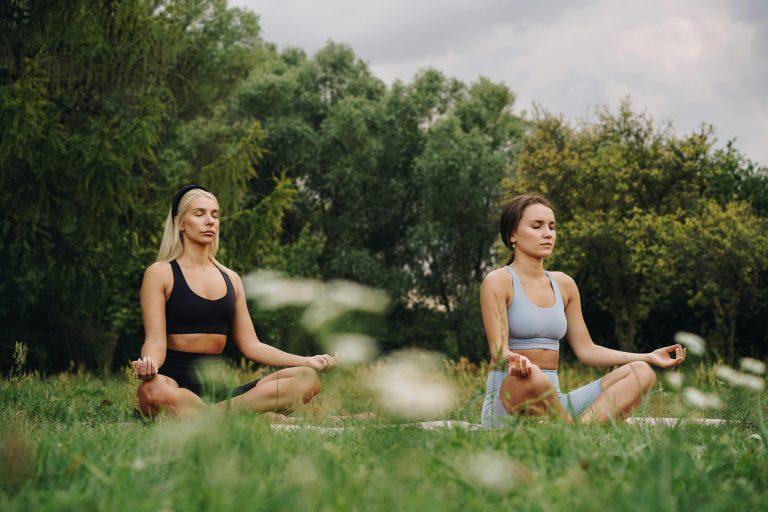
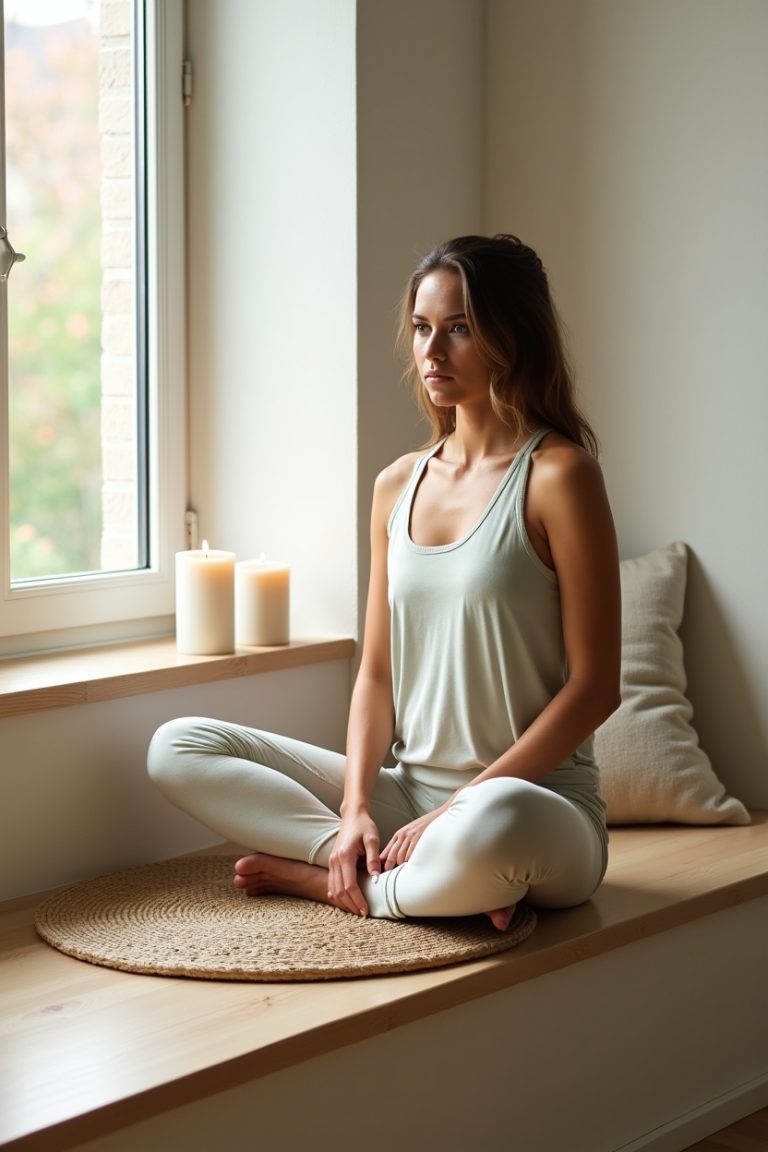
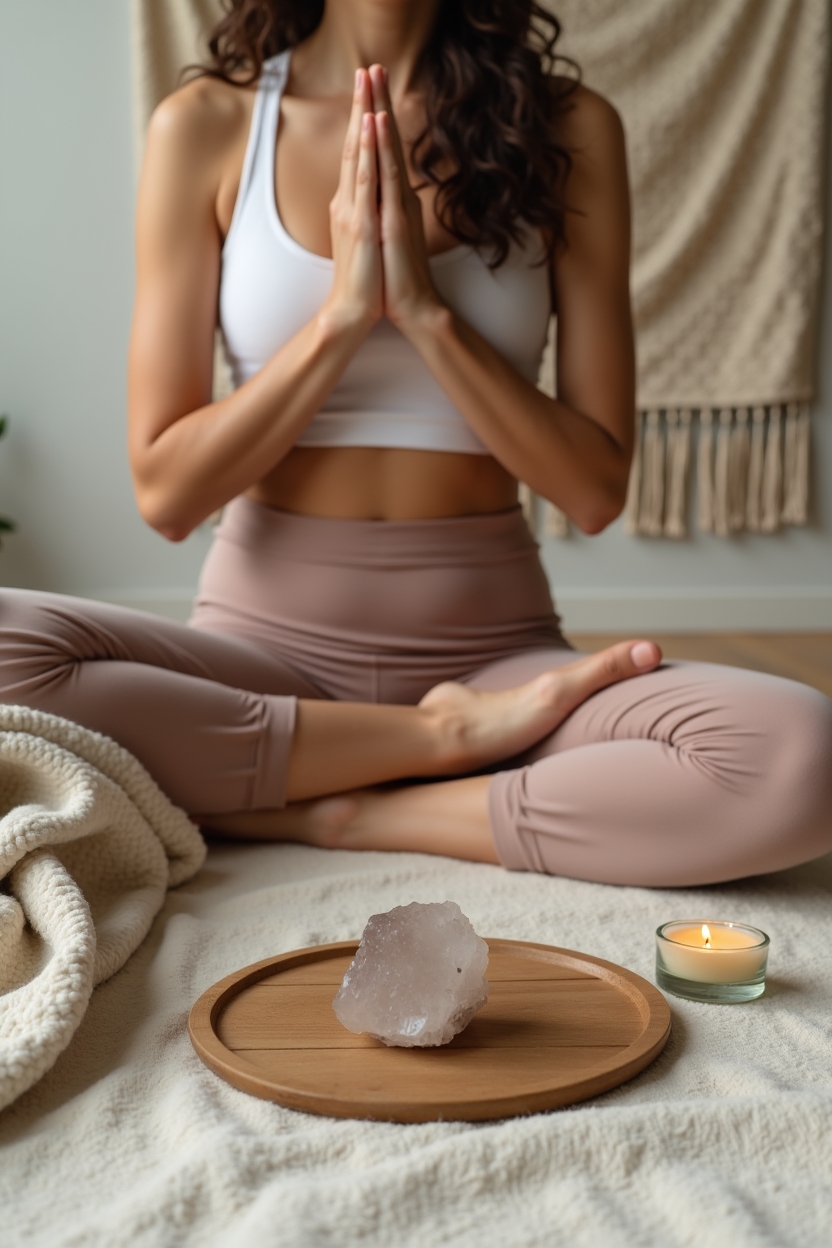
A short ritual works best when the environment supports it. The goal is ease: dim light, a comfortable seat or lying position, and one or two props if that helps you relax. Pairing the physical moves with a calm breath pattern magnifies the effect.
Timing and place: when to practice
Aim for 5–12 minutes about 20–30 minutes before your usual bedtime. That window lets the nervous system begin shifting toward rest, and the practice then becomes a cue — like a soft bell — that bedtime is near.
If your evenings vary, create a flexible rule: do the routine after you brush your teeth, or after you change into sleep clothes. Consistency matters more than length; a short daily practice is more powerful than an occasional long one.
For middle-of-the-night awakenings, you’ll also find a 1–3 minute micro-sequence later in this article that’s designed for quick resettling without turning on lights or getting out of bed.
Simple props and posture for comfort
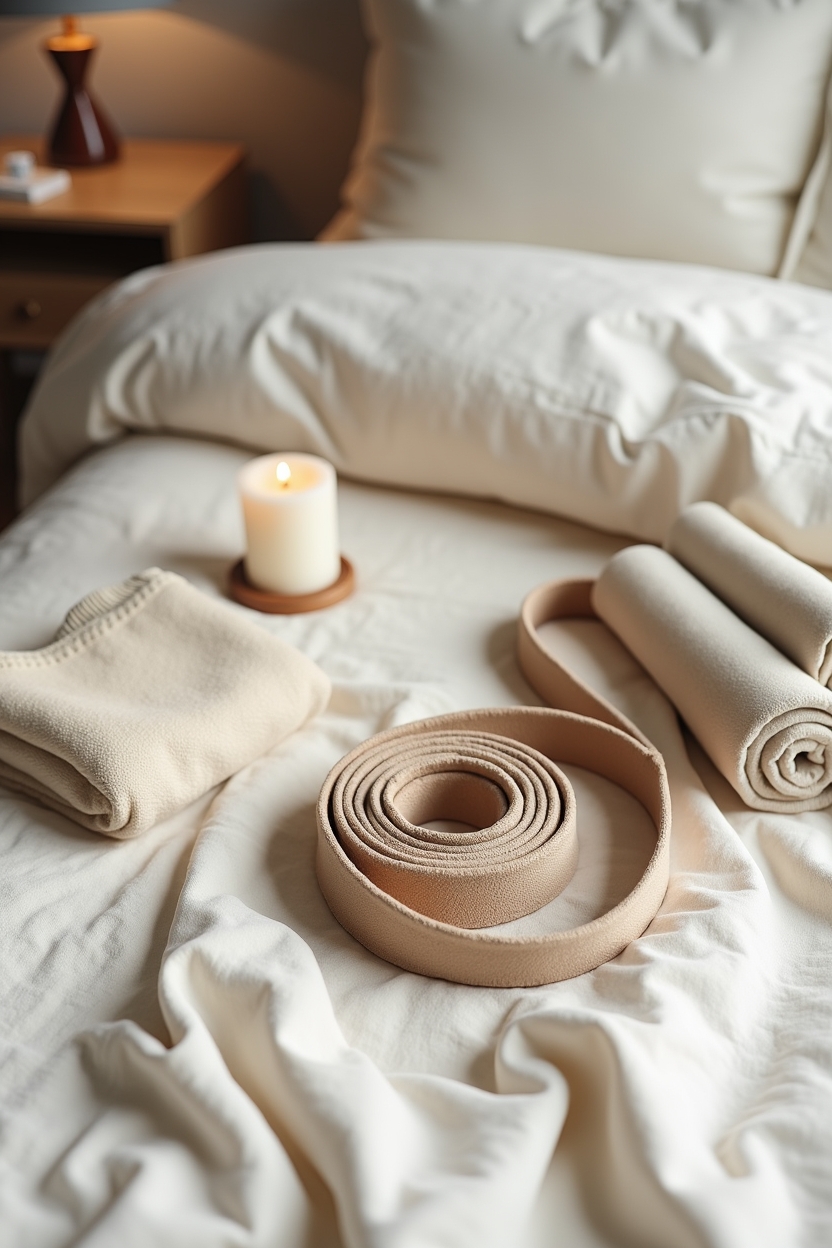
Choose what feels cozy: a firm cushion for seated support, a pillow under your forearms if you’re lying down, or a light blanket to create a sense of containment. A soft strap can help if you want extra support during a mild traction or arm extension.
Seated position: sit upright but relaxed, feet grounded, forearms supported on thighs or a bolster. Lying position: recline with knees bent and a pillow under the head; keep shoulders soft. If mobility is limited, perform the moves with smaller ranges of motion and slower tempo.
The posture should never create strain. The priority is comfort — a steady foundation that lets you focus on breath and sensation rather than effort.
Short breathing primer to pair with stretches
Pairing breath with movement deepens relaxation. Use a calm count such as a 4-6 pattern: inhale for 4 counts, exhale for 6 counts. The slightly longer exhale encourages the parasympathetic response and lowers arousal.
As you move the hands, cue the lengthened exhale with release actions — for example, inhale to prepare, exhale as you soften a clenched fist. Keep the breath soft, not forced. If you prefer tactile cues, place a hand on your belly and feel the subtle rise and fall.
This breathing primer becomes the thread that ties the ritual together: gentle breath, mindful movement, and a steady return to stillness.
- Find steady rhythm: inhale for 4 counts, exhale for 6 counts.
- Use the exhale on release actions — let go on the long out-breath.
- Keep breath soft and audible to yourself, not strained.
Before-bed hand stretch routine (5 gentle moves)
This sequence takes about 5–10 minutes and pairs each move with the calm breathing primer above. Move slowly, with attention to sensation — you’re signaling rest, not chasing flexibility gains. Use the rhythm of the breath to guide timing and soft release.
How to improve sleep with hands stretches — 5 gentle moves
This short sequence is designed to be approachable, repeatable, and grounding. Total time: about 5–10 minutes. Breathe on a 4-in, 6-out pattern and let the exhale guide each releasing motion.
Flow order: start with wrist flex/extend, then finger spreads and clenches, follow with thumb pulls, move into palm presses and soothing mudra, and finish with wrist circles and a soft forearm massage. Ending with a hand-over-heart cue helps close the ritual.
You can repeat the sequence once if you like, or keep it to a single round as a nightly signal. The point is gentle consistency rather than intensity.
- Wrist flex and extend
- Finger spreads and clenches
- Thumb pulls and gentle traction
- Palm presses and micro-mudra
- Wrist circles and gentle forearm massage
1 — Wrist flex and extend (Why + How)
Why: Wrist flexion and extension release tension through the forearm muscles and relieve compression around the carpal tunnel and related nerves. Mobilizing the wrist helps lower overall upper-limb guardiness, which can ripple up into the neck and jaw.
How: Sit or lie comfortably. Hold one arm out with the palm facing down. Use the opposite hand to gently press the fingers downward to feel a mild stretch along the top of the forearm (wrist flexion). Hold for 4–6 breaths, then reverse: gently lift the fingers toward the ceiling to feel the stretch along the underside of the forearm (wrist extension). Perform 6–8 slow reps each side.
Cues: breathe into the hold and soften the shoulder. If you feel pins-and-needles or sharp pain, reduce the range or skip this move. For very stiff wrists, do smaller movements more frequently.
2 — Finger spreads and clenches (Why + How)
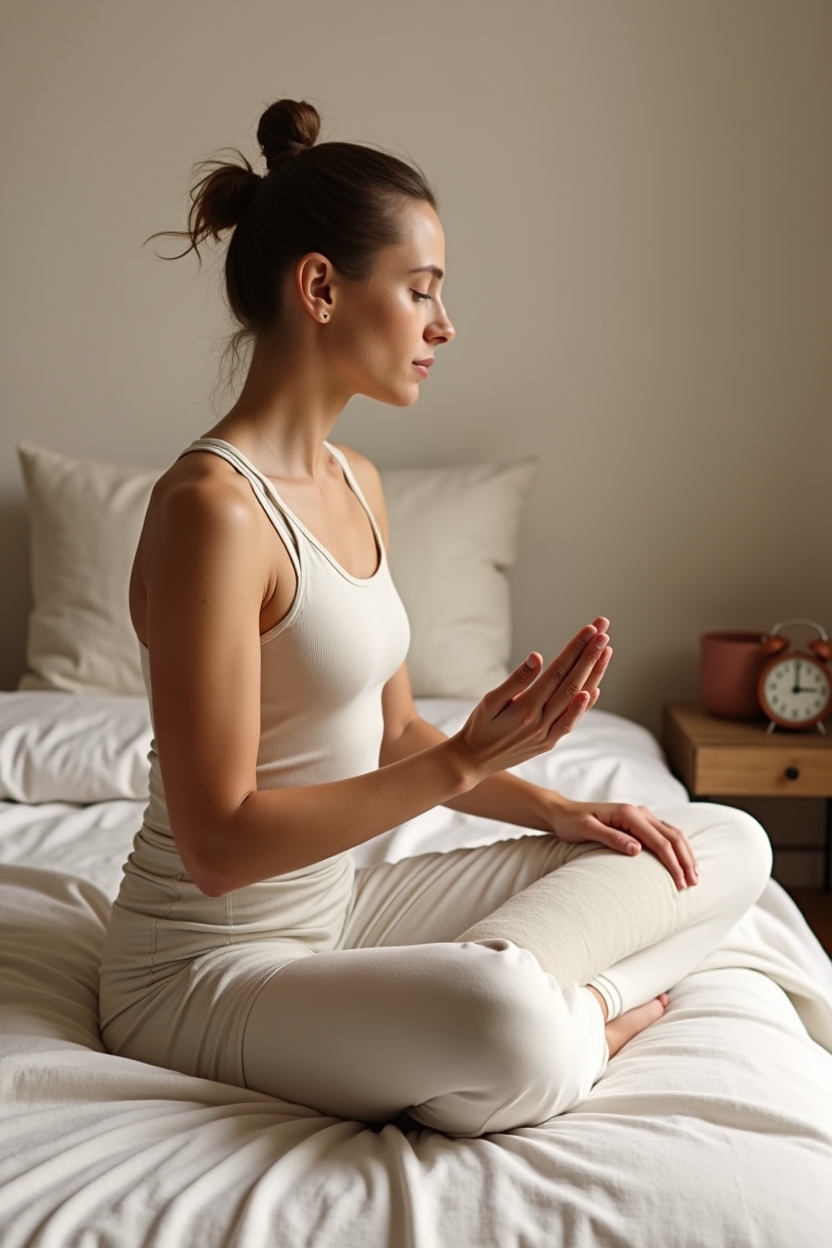
Why: Gentle spreading and releasing of the fingers increases circulation, improves proprioception, and reduces the habitual curled grip many of us develop from typing or holding devices. These small movements are excellent for signaling the nervous system that tension can ease.
How: Rest your hands on your thighs or a pillow. Slowly spread your fingers wide on an inhale, feeling length between each digit. Pause for one breath, then exhale as you curl the fingers into a soft, loose fist — not tight. Hold the fist for a long exhale, then open again. Repeat 6–10 times, matching the movements with the breath primer.
Cues: focus on the gaps between fingers as you spread them; feel the space. When you close into a fist, imagine releasing stress from the knuckles into the earth.
3 — Thumb pulls and gentle traction (Why + How)
Why: The thumb and its base often bear repetitive strain from texting, gripping, and scrolling. Gentle traction and small rotations relieve pressure in the base of the thumb and the thenar muscles, areas frequently tender after device use.
How: Hold one hand out and use the opposite hand to cradle the thumb. Gently pull the thumb away from the palm for one breath, then rotate the thumb slowly at the base with small circular motions. Repeat 4–6 times, then switch sides. If you have arthritis or known joint issues in the thumb, keep the pull minimal and consult a clinician if unsure.
Cues: keep the motion easy and non-forceful. The sensation should be softness and lengthening rather than strain. If you feel sharp joint pain, stop and try a lighter variation.
4 — Palm presses and micro-mudra (Why + How)
Why: Pressing the palms together and using small mudras can create an internal sense of containment and stimulate parasympathetic pathways. The gentle pressure and the rhythm of breath create a calming feedback loop for the nervous system.
How: Bring your palms together at the heart in a gentle prayer press. Press lightly and breathe into a 4-6 pattern for 4–6 breaths. Then, try a simple micro-mudra: touch the tip of the index finger to the tip of the thumb to form a small circle while keeping the other fingers relaxed. Hold each mudra for 3–5 breaths, noticing how the pressure in the palms changes.
Cues: keep the shoulders soft and the jaw unclenched. The intent is grounding — allow the pressure to be comforting, not forceful.
5 — Wrist circles and gentle forearm massage (Why + How)
Why: Wrist circles restore joint mobility and help the central nervous system register the completion of the ritual. A short forearm massage moves fluid and warms tissues, signaling that activity is ending and rest is beginning.
How: Rotate the wrists in slow, full circles — 5 clockwise, 5 counter-clockwise — keeping movement soft and supported. Then use the opposite hand to gently stroke and knead the forearm muscles from wrist to elbow in long, calming strokes. Spend 30–60 seconds per forearm. Finish by placing one soft hand over your heart and the other over your belly for a closing breath or two.
Cues: imagine smoothing out tension like a ribbon. The hand-over-heart closure is an embodied cue to anchor the quieter state you’ve created.
Calming hand + breath micro-sequence for falling asleep
If you wake at night or find yourself lying awake, a very short hand-and-breath sequence can help you resettle without needing to change positions or turn on lights. These micro-practices are designed to be quick companions — 1–3 minutes — that you can do in bed.
How to improve sleep with hands stretches plus breath
This rescue practice is a compact set of cues: soften the hands, lengthen the exhale, and anchor attention in sensation. Total time: 1–3 minutes. Use the long exhale to guide each release and keep movements tiny and familiar.
Start by placing palms softly on the belly or chest and take two cleansing breaths (long exhale). Then perform one round of finger spreads and clenches or small wrist rolls, matching each release to an exhale. Finish with a gentle hand-over-heart for one extended out-breath.
The condensed nature of this sequence makes it ideal for nighttime use because it requires minimal movement, preserves darkness, and gently redirects attention away from racing thoughts back into the body.
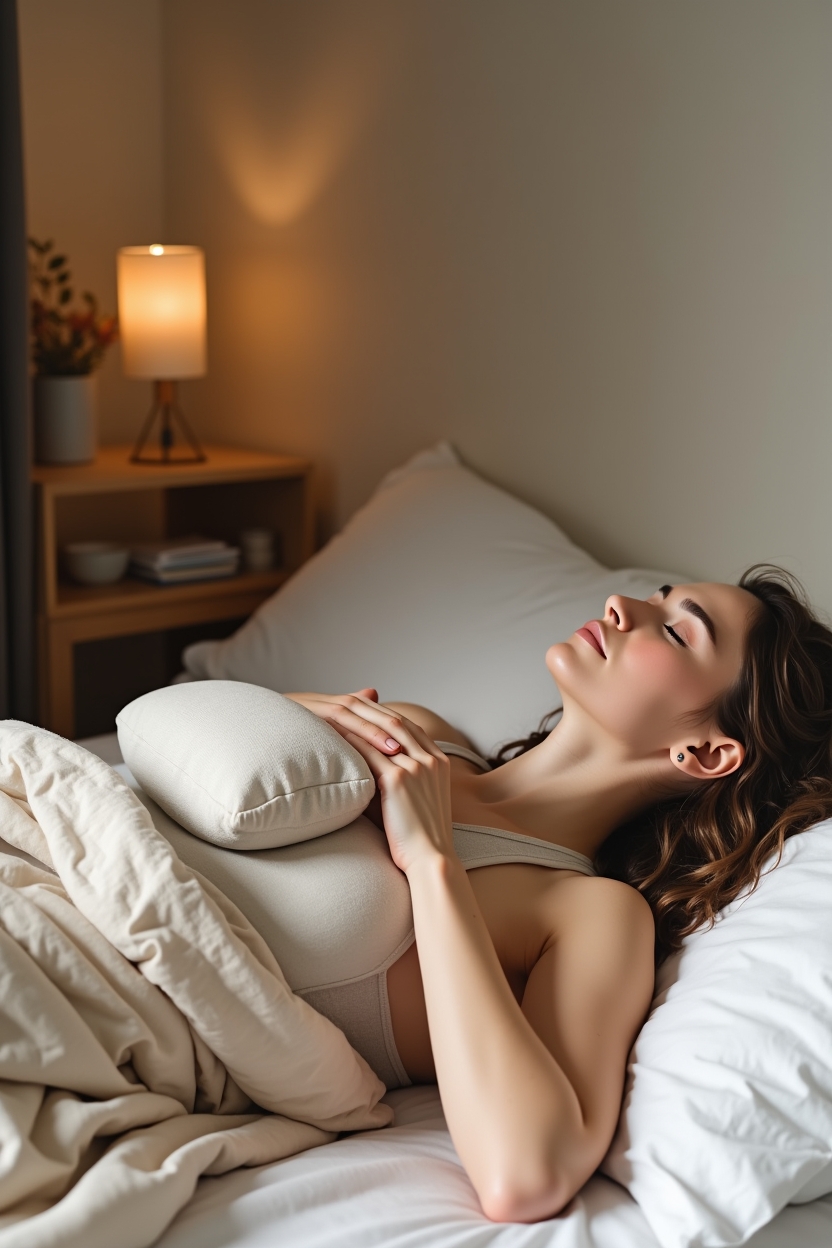
Lying-down variation (in bed)
How: Lie on your back with knees bent or straight — whatever feels comfortable. Place your palms on the belly or chest. Inhale to a count of 4, then exhale for 6 while intentionally softening the grip in your hands. On the next breath, lift and spread the fingers slightly on the inhale and release them on the exhale. Repeat for 6-8 slow breaths.
Timing cues: keep movements barely perceptible and allow the hands to sink into the support of the mattress or pillow. The tactile feedback of the hands on the body—warm, gentle pressure—helps ground the mind without needing to open eyes or change position.
This version is especially helpful when you wake briefly and prefer to stay in bed.
Seated variation (if you get up at night)
How: Sit on the edge of the bed or in a chair with feet grounded. Perform three slow wrist rolls, then press palms together lightly at the heart and breathe for four cycles of the 4-6 pattern. Finish with two slow thumb pulls and a soft facial massage for the jaw to release any tension you carry upward from the hands.
Timing cues: use slow movement and deliberate pauses. Keep lights dim and use the sequence purely as a resettling tool — after the practice, return to bed and keep the environment conducive to sleep.
This seated variation is practical when you need to stand up briefly and want a quick way to calm before returning to sleep.
Modifications, safety, and troubleshooting
Most people can use these gentle moves safely, but if you have specific conditions — arthritis, carpal tunnel, recent injury, or heightened joint sensitivity — adapt the practice and honor red flags. Building a routine takes time; small reminders and pairing the sequence with other bedtime habits help it become lasting.
When to modify or avoid certain stretches
Stop or modify any movement that causes sharp pain, sudden numbness, or tingling that doesn’t fade with gentler pressure. These are signals that the tissue or nerve needs rest or professional assessment. For diagnosed carpal tunnel, avoid deep extension holds or forceful traction; instead favor micro-movements and shorter holds.
If you have inflammatory arthritis, reduce range of motion and focus on warmth, light massage, and palm presses rather than traction. Pregnancy usually allows these hands-only practices, but if you have circulatory concerns or unusual swelling, check with your care provider.
When in doubt, choose gentler variations: smaller ranges, fewer repetitions, and added support like a cushion under the forearm.
Easy ways to remember and keep the habit
Pair the mini-routine with an existing sleep habit — for example, after brushing your teeth, do the five moves; or place a small sticky note on your bedside lamp as a friendly reminder. Gentle alarms with calming labels like “hands” or “rest” can also cue you without stress.
A 7-day tracker (one-line per day) helps you notice patterns: two minutes nightly builds momentum. You might also use sensory anchors — a particular pillow, a warm cup, or a chamomile tea ritual — to link the hand practice to the broader bedtime routine.
Small, consistent acts matter more than perfect practice. If you miss a night, start the next evening without judgment.
Integrating hand stretches into broader sleep hygiene
How: Hand stretches are most effective when combined with other simple sleep-supportive habits. Dim the lights in the hour before bed, reduce screen time, and create a cool, comfortable sleep environment. Pairing the hand routine with a gentle herbal tea or a short journaling habit can deepen its cueing power.
Common checklist to close the day: a brief screen curfew, a 5–10 minute hand-stretching routine, and a final calming breath practice. These few steps form a predictable sequence your nervous system can learn to rely on.
If you’re pursuing longer-term improvements, consider adding wrist mobility sessions during daytime or a full-body bedtime yoga class once or twice a week to expand the effect of your nightly hand practice.
- Dim lights 20–30 minutes before bed
- Complete the 5-move hand routine
- Follow with 1–2 minutes of calm breathing
- Avoid screens and stimulating activities after the routine
- Note one positive or neutral thing in a brief journal entry
Printable bedtime hand-stretch checklist + 7-day tracker
A one-page printable checklist to guide your 5-move routine, plus a simple 7-day tracker to help make the habit stick. Use it as a gentle companion — check off the day if you practiced, and note one small observation about sleep that week.
Download the checklist
Final Thoughts
Small, steady practices add up. The question of how to improve sleep with hands stretches isn’t about pushing harder — it’s about consistent, gentle signals you send your nervous system night after night. Start with the 5-move routine, experiment slowly, and notice how subtle changes in your hands and breath affect the whole body.
Let this practice be an invitation rather than a chore. When you return to it with curiosity and compassion, you give yourself a dependable tool for rest. If you want to go deeper later, explore wrist mobility sessions or full-body bedtime yoga — for now, keep it simple and kind.