10-Minute Yoga Routine for Stress Relief (Beginner-Friendly + Effective)
In today’s fast-paced world, stress isn’t just occasional—it’s constant. The good news? You don’t need a 60-minute class or a full lifestyle overhaul to feel better.
A 10-minute yoga routine for stress relief can calm your mind, regulate your nervous system, and release physical tension—almost instantly.
Even better: science backs it up. Research shows yoga significantly reduces stress, anxiety, and emotional tension, with measurable improvements in mood and resilience.
Let’s break down exactly how to use yoga as your daily reset—and the exact 10-minute flow to follow.
Why Yoga Works for Stress (Backed by Science)
Yoga isn’t just stretching—it’s a mind-body intervention that directly impacts your stress response.
Studies show yoga helps reduce stress by:
- Activating the parasympathetic nervous system (your “rest and relax” mode)
- Increasing mindfulness and emotional regulation
- Lowering stress reactivity over time
Even short sessions can make a difference. Just a few minutes of breath-focused movement can calm your body and quiet mental overwhelm.
Your 10-Minute Yoga Routine for Stress Relief
This routine is designed to:
✔ Release tension
✔ Slow your breath
✔ Ground your mind
✔ Be beginner-friendly and realistic
No experience needed.
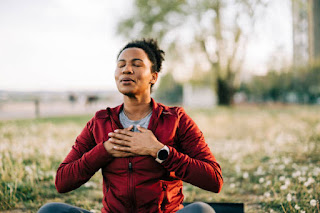
Minute 0–1: Centering Breath (Pranayama)
How to do it:
- Sit comfortably or lie down
- Inhale for 4 seconds
- Exhale for 6 seconds
- Repeat slowly
Why it works:
Long exhales activate relaxation pathways in the nervous system, immediately reducing stress signals.
Minute 1–3: Child’s Pose (Balasana)
How to do it:
- Knees wide, big toes together
- Forehead on the mat
- Arms extended or resting beside you
Focus: Deep breathing into your back body
Benefits:
- Relieves back, shoulder, and neck tension
- Calms the mind quickly
- Signals safety to the body
This is one of the most recommended poses for quick stress relief because of its grounding effect.
Minute 3–5: Cat-Cow Flow (Spinal Release)
How to do it:
- Inhale: drop belly, lift chest (Cow)
- Exhale: round spine, tuck chin (Cat)
Move slowly with your breath.
Benefits:
- Releases stored tension in the spine
- Connects breath to movement
- Helps reset your nervous system
Minute 5–7: Standing Forward Fold (Uttanasana)
How to do it:
- Fold forward from hips
- Bend knees as much as needed
- Let your head hang heavy
Optional: Grab opposite elbows and sway gently
Benefits:
- Relieves mental fatigue
- Stretches hamstrings and back
- Encourages inward focus
Forward folds are known to calm the brain and reduce overstimulation.
Minute 7–9: Legs Up the Wall (Viparita Karani)
How to do it:
- Lie on your back
- Extend legs up against a wall
Stay still and breathe deeply
Benefits:
- Reduces anxiety and fatigue
- Improves circulation
- Deeply restorative
This pose is often called a “natural reset button” for stress.
Minute 9–10: Savasana (Final Relaxation)
How to do it:
- Lie flat
- Arms relaxed at your sides
- Close your eyes
Focus: Let go of all effort
Benefits:
- Integrates the practice
- Allows full-body relaxation
- Deepens mental clarity
Why This Routine Works (In Just 10 Minutes)
This sequence strategically combines:
- Forward folds → calm the brain
- Gentle movement → release physical tension
- Breathwork → regulate your nervous system
- Stillness → reset mental patterns
Together, these elements create a powerful stress-relief effect in minimal time.
Real Talk: What People Actually Experience
From real practitioners:
“After 20 minutes I always come out feeling so relaxed.”
“It’s actually the breathing that is calming.”
This highlights something important:
Yoga isn’t just physical—it’s neurological.
Tips to Make This a Daily Habit
- Do it first thing in the morning or before bed
- Pair it with something you already do (habit stacking)
- Keep your mat visible (environment design)
- Don’t aim for perfection—aim for consistency
Even 5–10 minutes daily can shift your baseline stress levels over time.
Final Thoughts
Stress doesn’t require a complicated solution.
Sometimes, all it takes is:
- A few deep breaths
- A quiet moment
- A simple yoga flow
This 10-minute yoga routine for stress relief is your reset button—accessible anytime, anywhere.