Creating a Sacred Space at Home: Bringing Yoga and Meditation into Daily Life
A sacred space at home is any corner or room set aside for mindfulness, meditation, prayer, or inspiration. It can be secular or spiritually oriented, but it always prioritizes peace, focus, and personal meaning. Experts note that having a dedicated quiet spot “can significantly enhance your spiritual life” and serve as a peaceful retreat.
Across traditions, from Buddhism and Christianity to secular mindfulness and Chinese feng shui, the common goal is to harmonize your surroundings with your inner goals. For example, feng shui literally means creating harmony between a person and their environment. Below, we explore how to design such harmonious home sanctuaries for any faith or lifestyle, in homes big or small.
General Principles: Declutter, Nature, Comfort, Light
Creating a calming home atmosphere begins with clearing space and engaging the senses. Research shows that a neat, organized environment feels “like a refuge” and helps clear the mind, whereas clutter induces mental fog. To foster this clarity, choose a quiet corner or nook away from busy areas and keep it clean and uncluttered. In that nook, use soft, warm lighting: natural daylight if possible, or gentle lamps and candles (candlelight symbolizes focus and ritual in many traditions).
Incorporate natural elements: a few potted plants or a small indoor fountain, since studies show plants in a room lower stress and improve well-being. Comfort is key – add cushions, a meditation mat, or a cozy chair so you can relax physically during practice. Finally, choose calming colors and decor: for instance, a pale blue or green wall, or a nature-themed tapestry, can “help quell feelings of anxiety” by evoking the outdoors. In summary, a mindful home space is quiet, tidy, natural, and comfortable, setting the stage for focus and relaxation.
- Quiet, Private Spot: Pick a part of your home where you won’t be interrupted – a bedroom corner, living-room alcove, or even an unused closet. This special spot should be free from electronics and noise.
- Clutter-Free: Keep the area clean. A tidy space is “conducive to prayer and meditation” and can literally feel soothing.
- Natural Elements: Add greenery or natural motifs. Plants, flowers, stones or crystals all invite tranquility – studies show they boost mood and concentration.
- Comfort and Ambiance: Include a cushion, chair or small bench. Soft rugs, blankets, aromatherapy oils or incense can make the setting inviting and relaxing. Adjustable lighting (candles or dim lamps) helps set a contemplative mood.
Buddhist Meditation Altar or Corner
In Buddhist practice, a home altar (butsudan) or meditation corner is a common sacred space. Typically this is a simple shelf or table holding a Buddha statue or image, candles, incense and offerings (like flowers or water). Such an altar is a visual and spiritual reminder to pause, breathe and reconnect. Follow these guidelines: choose a quiet nook (often a bedroom corner or spare shelf) where you can sit facing the altar. On it, place meaningful items: e.g. a statue or picture of the Buddha or Bodhisattva you revere, a lit candle or oil lamp (symbolizing wisdom), and incense or essential oils for scent (purifying the air and mind).
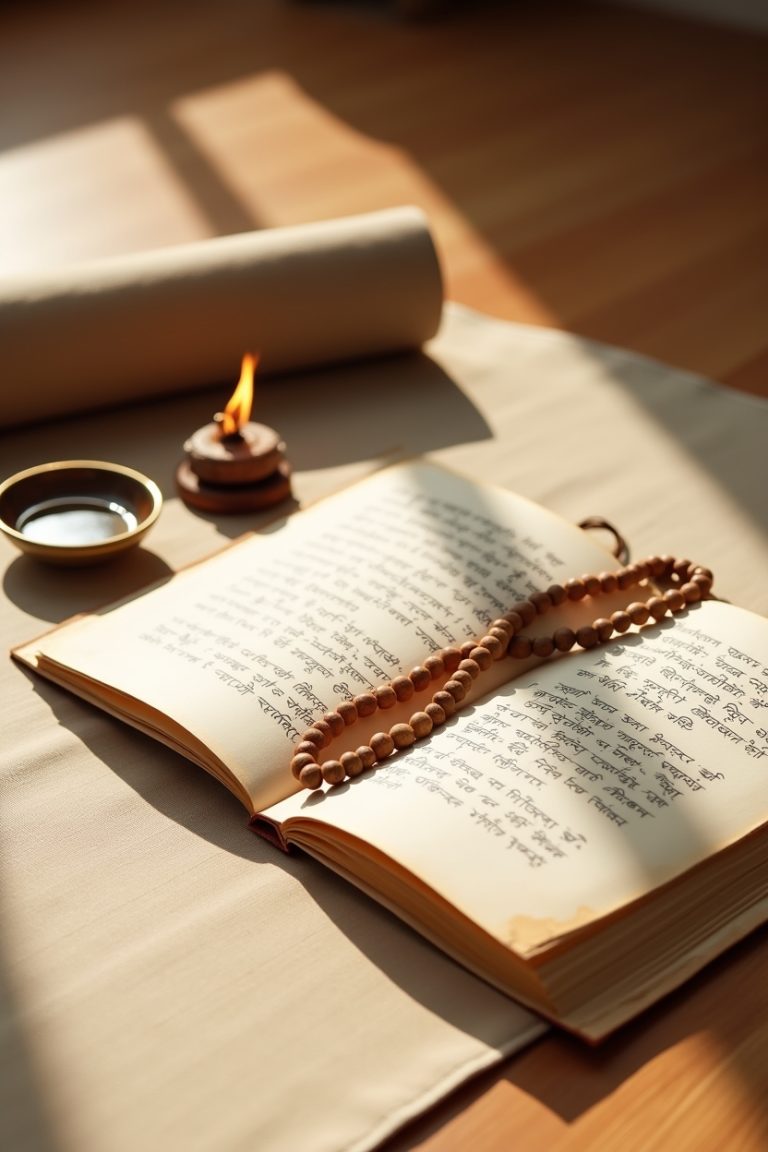
You might add spiritual texts or prayer beads, crystals (like quartz or amethyst for clarity and peace), and a small plant or bowl of water for freshness. The key is intention: arrange objects that inspire stillness and gratitude. Even a very simple setup – a single statue and a candle – can profoundly deepen mindfulness. Over time you may evolve the altar (add photos of teachers, hand-written sutras, etc.), but always keep it neat. In essence, a Buddhist home sacred space is personal and flexible, centered on contemplation and respect.
Christian Prayer Corner or Devotional Nook
Christian tradition similarly values a dedicated home prayer area. A basic prayer corner might be a small table or mantel holding a crucifix or religious icon, a Bible or prayer book, candles, and devotional items. I advise choosing a quiet corner…in your home that offers privacy and tranquility, even if it’s a small part of your bedroom or a nook. Keep this space clean and uncluttered, echoing a church’s simplicity. Furnish it with faith-inspired decor: a wooden cross, an icon, prayer cards, or a statue of a saint (Saint Francis for nature lovers, Mary with roses, etc.). Add comfort by including a chair or cushion for kneeling.
Lighting is important too – natural light is ideal, or soft lamps and candles to create a warm glow. Even a living-room corner with a candle and an image can function as a home altar. Plants or flowers are often placed nearby as an act of reverence (they “enhance the beauty and serenity” of the space). In short, a Christian home sanctuary uses quiet reflection, religious symbols, and simple beauty to foster prayer and meditation.
Create the Year You’re Meant to Live
Feeling ready for a fresh start?
I created a gentle, powerful pre–New Year program to help you reflect on the past year, set aligned goals, and step into your next chapter with clarity and confidence.
Inside you’ll discover:
guided reflections to release old energy
templates to map out your goals
your “North Star Goals” for the new year
journaling prompts + a New Year intention meditation
This is your blueprint for a peaceful, empowered, inspired year.

Feng Shui and Chinese Harmony Principles
Chinese feng shui teaches that arranging your home thoughtfully promotes balance and good qi (energy flow). In practice, this means keeping rooms open and uncluttered so energy can move, and placing key furniture (beds, desks) in a “commanding position” (e.g. diagonally across from the door). These ideas apply to any sacred corner. When adding an altar or meditation space, follow feng shui tips: put it in a calm, stable spot (perhaps a less-used corner) facing a door or window if possible, and against a solid wall (avoiding putting it under a beam or on a wobbly shelf). This orientation is said to let positive energy flow toward you.
On the altar itself, feng shui suggests using symbolic items to support your intention. For example, red objects or a laughing Buddha statue invite luck and vitality, and bamboo or a “money plant” is thought to promote wealth. More generally, include elements from each of the five feng shui elements (wood, fire, earth, metal, water) – e.g. a wooden table, a candle (fire), a stone or clay pot (earth), a metal bell or statue, a small bowl of water or a fountain. Plants and incense can strengthen qi flow. Whether your altar’s focus is wealth, health, family or spirituality, feng shui encourages aligning objects with those goals. In sum, applying Chinese harmony means arranging with intention – balancing light and dark, fresh air and earthiness – so the space supports well-being.
Designing Sacred Corners in Every Room
Each part of the home can contain its own mini-sanctuary. Here are some examples:
- Bedroom: Make your sleeping space restful. Choose calming colors (soft blues, greens or neutral earth tones) to promote relaxation. Keep tech away. You might include a small altar on a dresser, but be mindful that the bedroom is primarily for rest. (In feng shui the bed itself should be free of clutter above or beneath.)
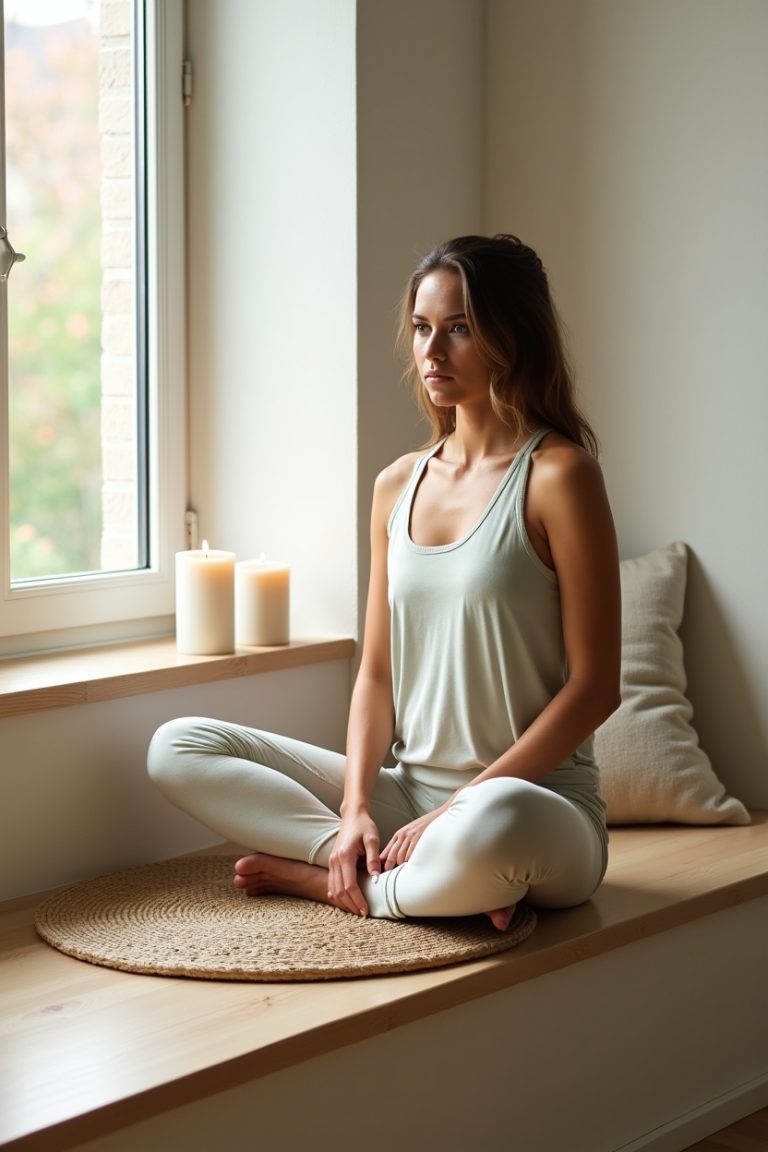
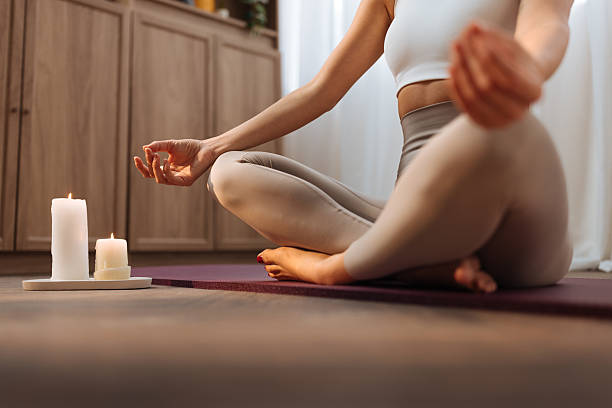
- Living Room / Meditation Corner: Dedicate a corner or section as a meditation/yoga zone. Lay down a mat or cushion, add a small table with your altar items or a crystal, and maybe a tapestry or painting that inspires tranquility. Use floor cushions or a rocking chair for comfort.
- Home Office or Study: Position your desk in the “commanding” place – i.e. facing the door at an angle – for confidence. Keep the space organized to avoid stress. You could set a small gōngbǎi (offering) on the desk: a candle, a plant, or a meaningful talisman to center your focus. Even lighting a calming essential oil in a diffuser (lavender for calm, citrus for energy) can make your work area more mindful.
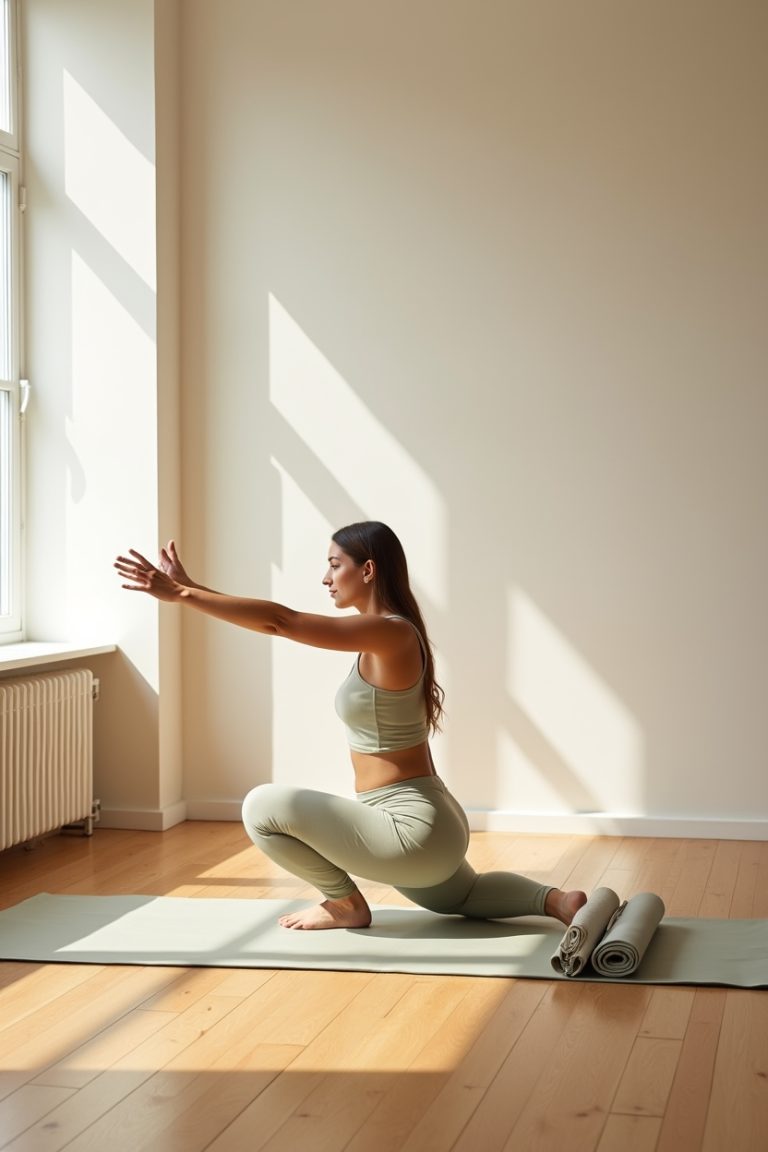
- Yoga/Meditation Room: If space allows a whole room, keep it simple: clear floor space, soft natural light, and perhaps a few inspirational images on the walls. An altar with a candle or singing bowl can mark the start/end of practice. Elements like a Himalayan salt lamp, woven mat, or sound bowl support a serene yogic vibe.
- Small Homes & Nomads: Even in a tiny apartment, RV or van, you can carve out sacred space. Use a wall-mounted shelf or a portable altar box to hold a candle, incense, or a favorite symbol. The Qi blog notes that an altar “can be tucked away” – even in a closet – if needed. In very tight quarters, use multi-purpose decor: foldable screens for privacy, wall hangings for mood, or apps (guided meditation audio) on your phone. The principle remains the same: keep your nook uncluttered and personal. For travelers, a small pouch of ritual items (like mala beads, a stone, a talisman) can be carried as a mobile altar.
The goal is consistency. Regardless of room or size, intention unifies the space. Simple habits – lighting the same candle each morning, unrolling your meditation mat, or placing the same offering at night – help reinforce the sacred nature of the spot. By harmonizing your environment with your spiritual or mindful goals (through order, nature, light and meaningful objects), you turn ordinary home corners into daily sanctuaries.