Yoga for Lymphatic Health: Detox and Restoration
Why the Lymphatic System Needs Movement
The lymphatic system is a passive circulation of immune-rich fluid. Unlike blood, which is pumped by the heart, lymph depends on gravity, muscle contraction, and deep breathing to move efficiently through the body. When lymph becomes stagnant, waste products, excess fluid, and inflammatory by-products can accumulate.
Yoga naturally supports lymphatic flow by combining intentional movement, posture, and breath. As Yoga Medicine teacher Rachel Land explains, “Healthy lymph flow is a key component of a strong immune system, and fortunately yoga asana can help that flow.” In particular, inversions, twists, side-bends, and forward folds gently compress and release tissues, encouraging lymph to circulate and drain.
Key Yoga Poses That Support Lymphatic Drainage
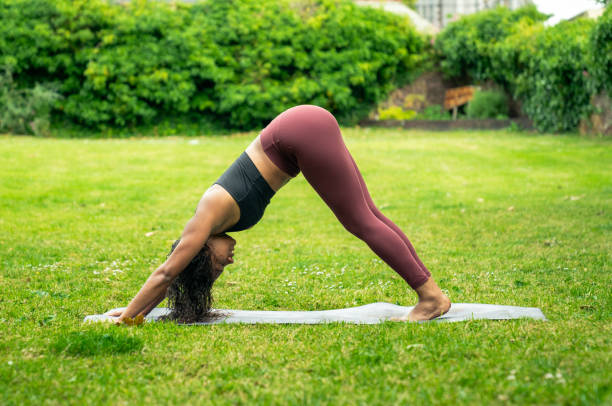
Downward-Facing Dog (Adho Mukha Śvānāsana)
A foundational inversion that places the head below the heart, allowing gravity to assist lymphatic return from the arms and legs toward the torso. This pose opens the shoulders, neck, and armpits—areas dense with lymph nodes—and helps reverse the effects of prolonged sitting.
Legs-Up-the-Wall (Viparita Karani)
A deeply restorative inversion that encourages lymphatic and venous return from the lower body. Holding this pose for several minutes can reduce swelling in the feet and ankles while calming the nervous system.
Child’s Pose (Balasana)
A gentle forward fold that compresses the abdomen, hips, and groin, stimulating lymph nodes in the pelvic region. It also promotes relaxation, which supports parasympathetic (rest-and-digest) function—important for immune health.
Seated Neck and Shoulder Stretches
Slow neck tilts, rotations, and side-bends help drain lymph around the cervical and clavicular junctions, where lymph reenters the bloodstream. These movements are especially helpful for desk work, stress tension, and sinus congestion.
Supine Spinal Twist
Twists gently “wring out” the abdominal organs, stimulating lymphatic flow through the gut, side body, and lower back. Alternating compression and release improves circulation and detoxification.
Cat–Cow (Marjaryāsana / Bitilāsana)
A rhythmic spinal wave that massages the abdominal organs and pumps lymph through the torso. When paired with slow diaphragmatic breathing, Cat–Cow becomes one of the most effective lymph-moving practices.
Bridge Pose (Setu Bandha Sarvāṅgāsana)
A mild inversion that elevates the pelvis and compresses the abdomen and pelvic floor. This pose supports lymphatic drainage from the lower body while opening the chest and stimulating circulation.
Practice Tip: Deep, slow belly breathing during each pose enhances lymph movement. Research suggests diaphragmatic breathing alone can dramatically increase lymphatic circulation.
Yoga Sequences for Lymph Flow & Detox
1. Gentle Inversion + Side-Bend Sequence
- Begin lying on your back with hips supported; lift legs vertically and flex/point the feet for 1–2 minutes.
- Sit cross-legged, inhale arms overhead, side-bend, then gently twist on the exhale.
- Add slow neck stretches.
- Transition to all fours, Cat–Cow, then Downward Dog.
This sequence targets lymphatic regions in the legs, groin, armpits, and neck.
2. Reclining Lymphatic Flow
- Lie on your back with arms overhead.
- Inhale arms up; exhale knee to chest.
- Extend the leg upward, then cross it over the body into a twist.
- Repeat on both sides.
This floor-based flow is especially supportive for the hips, low back, abdomen, and shoulders.
3. Flowing Twist & Forward-Fold Series
- Move slowly through a Sun Salutation framework.
- Pause frequently for long twists and deep forward folds.
- Finish with Legs-Up-the-Wall or Savasana.
4. Breath-Focused Kriya Sequence
- Begin seated with Nadi Shodhana or Ujjayi breathing.
- Add gentle arm sweeps and supported Bridge Pose.
- Conclude with meditation or alternate nostril breathing.
These sequences work best when practiced slowly and consistently. Lymph responds to rhythm—not force.
Scientific Evidence & Expert Insights
Clinical research on yoga and lymphatic health—particularly in breast-cancer-related lymphedema—shows promising results. Studies report improvements in:
- Shoulder mobility
- Pain and fatigue reduction
- Emotional well-being
- Overall quality of life
Because the lymphatic system lacks a central pump, muscle engagement and breath are essential. Yoga provides both through deliberate movement and diaphragmatic breathing, which create a natural pumping mechanism throughout the body.
Yoga & TCM: Qi Flow, Meridians, and Lymphatics
Although yoga and Traditional Chinese Medicine (TCM) come from different traditions, they share a core principle: health depends on flow.
- Yoga: Prana flows through nadis
- TCM: Qi flows through meridians
San Jiao (Triple Burner)
Often compared to the lymphatic system, the San Jiao governs fluid metabolism and immune function across the upper, middle, and lower body.
Spleen Meridian
Responsible for fluid transformation and transport. Weak Spleen Qi leads to dampness and edema—paralleling lymph stagnation.
Lung Meridian
Regulates Wei Qi (defensive energy) and disperses fluids to the skin. Deep breathing and chest-opening yoga postures directly support Lung Qi.
Kidney Meridian / Lower Burner
Manages water metabolism and hormonal balance. Grounded poses and pelvic work in yoga support this system.
Integrating Yoga for Lymphatic Health
Both yoga and TCM emphasize movement, breath, and circulation as foundations of wellness. While the language differs, the goal is the same: to clear stagnation, support immunity, and restore balance.
A mindful yoga practice—rooted in slow flow, deep breathing, and intentional sequencing—offers a powerful, non-invasive way to support lymphatic health, detoxification, and long-term vitality.